
Essaouira
Morocco
North Africa · Best time: March–May, September–November

Essaouira is that rare thing: a Moroccan coastal town that hasn't lost its soul to package tourism, despite having one of the country's most beautiful medinas. Built in the late 18th century by Sultan Sidi Mohamed Ben Abdallah with help from a French architect, this fortified port town feels remarkably coherent—you can actually *see* the original urban plan, with its grid of streets that made sense then and still makes sense now. Walk the ramparts where original Portuguese cannons still point out to sea, and you'll understand why Orson Welles chose to film Othello here. The UNESCO-listed medina isn't a museum; it's where actual Essaouirans still live and work, particularly in the woodworking cooperatives near the eastern walls where artisans carve thuya wood in workshops that smell of cedar and ocean salt.
What sets Essaouira apart is its long history as a genuinely multicultural trading port. For centuries, Amazigh traders, Arab merchants, sub-Saharan Africans, and European dealers mixed here, along with significant Jewish and Muslim communities who built the medina together. You can still feel this openness—it's less intense than Marrakech, less touristy than Tangier, and refreshingly laid-back. The Atlantic wind that batters the coast (making beach lounging nearly impossible) has become the town's modern calling card: kitesurfers and windsurfers flock to Essaouira Bay for some of North Africa's most consistent conditions. That same wind keeps the summer heat bearable and fills the fish market at the harbor's west end with the day's catch, grilled on the spot while seagulls wheel overhead.
The magic of Essaouira is in its ordinariness made extraordinary by setting and history. Watch sunset from the seawall at Place Moulay Hassan and you'll see why travelers feel quietly triumphant when they discover this place—it's accessible, manageable, beautiful, and somehow still itself. The hippie legacy (yes, Jimi Hendrix stayed nearby; no, he didn't write 'Castles Made of Sand' here, despite local legend) has faded into a mellow, creative vibe. You can walk the entire medina in an afternoon, but most people end up staying longer than planned, drawn by the combination of Atlantic light, unhurried rhythms, and the feeling that you've found something special before everyone else does.
Why It's Unbeaten
Essaouira sits in the shadow of Morocco's heavy-hitter circuit: Marrakech pulls the crowds inland, Fes dominates the imperial cities conversation, and Tangier gets the headlines as the gateway. Yet Essaouira is arguably Morocco's most European-feeling medina—a late-18th-century fortified port town designed by European military architects, not a medieval maze that requires a guide to navigate. Most package tourists who do arrive come for the beach and watersports hype, then leave disappointed because the Atlantic wind is fierce and the water cold. The UNESCO heritage site status means the medina is genuinely walkable, architecturally coherent, and free of the relentless hassle that plagues other medinas. It's also a genuinely multicultural town—historically Muslim, Christian, and Jewish communities coexisted here—which you still feel in the atmosphere and the lack of pressure to conform to tourist expectations.
The Reward
Standing on the Skala de la Ville at dusk as the Atlantic wind whips your hair, watching fishermen mend nets below Portuguese cannons still aimed at the sea, while the call to prayer drifts over blue-shuttered ramparts and the smell of grilled sardines rises from the harbor—this is the moment you understand why Essaouira earned its place: it's a Moroccan medina you can actually navigate and *live in* for a few days, not just survive.
Visit instead of: Marrakech — All the medina magic and Atlantic seafood without the aggressive hassle, disorienting maze, or feeling that you're walking through a themed attraction designed to extract dirhams.
Ideal For
First-time Morocco visitors wanting authenticity without overwhelm, Windsurfers and kitesurfers, Culture seekers who also want walkability and sea air
Not Ideal For
Beach loungers expecting Caribbean conditions, Travelers seeking deep historical complexity
Recommended Stay
3–5 days
The compact medina reveals itself in a day, but the unhurried rhythm and Atlantic light make you want to linger—enough time for day trips to nearby cooperatives, multiple sunset rampart walks, and genuinely settling into the pace.
Battambang
Cambodia
Southeast Asia · Best time: November–February
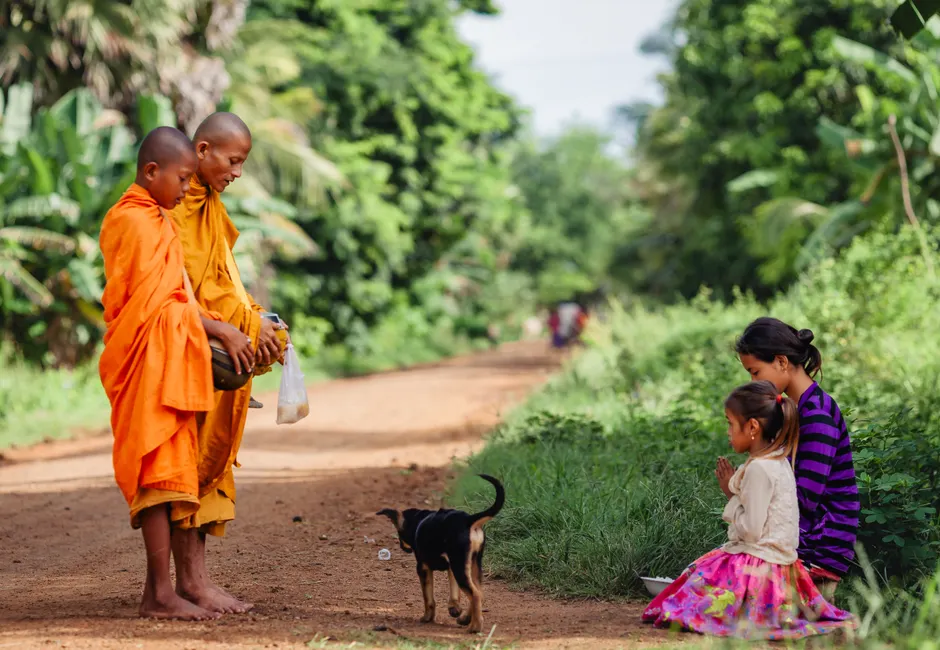
Cambodia's second-largest city doesn't particularly want to impress you, and that's exactly why it does. While everyone else zigzags between Siem Reap and Phnom Penh, Battambang just keeps being itself—a riverside city where French colonial shophouses sag gracefully into their second century, where kids practice backflips at a world-class circus school, and where you can ride a motorized bamboo platform along old railway tracks without tripping over selfie sticks. It's quieter, cheaper, and refreshingly less packaged than its famous siblings.
The contrast is immediate. This is a place where 'attractions' feel wonderfully unpolished—Phnom Sampeu's killing caves and monastery sit atop a hill you actually have to climb, the Bamboo Train is literally a bamboo raft with a lawnmower engine strapped to it, and the highlight of your week might be watching local teenagers perform acrobatics at Phare Ponleu Selpak, the circus NGO that trains disadvantaged youth. Your ticket money goes directly to keeping kids in school. It's tourism that doesn't feel like tourism.
You'll find yourself staying longer than planned. The rhythms here are slower, the interactions easier, the whole experience less transactional. This is Cambodia with the volume turned down—still complex, still carrying heavy history, but with enough breathing room to actually feel it. Travelers who make it here tend to get a bit smug about it, and honestly, they've earned it.
Why It's Unbeaten
Battambang sits awkwardly between Cambodia's two main tourist magnets: Angkor Wat to the north and Phnom Penh to the south. Most visitors skip it entirely, racing between these poles on the highway. The city lacks the archaeological spectacle of Siem Reap or the capital's urban energy, so it doesn't register on standard Southeast Asia itineraries. What's actually happening here—a thriving arts scene, serious food culture, and genuine local life—remains invisible to tourists following guidebook checkboxes. You'll find yourself in a place where tourism infrastructure exists but hasn't calcified into performance.
The Reward
Sitting ringside at Phare Ponleu Selpak on a sweltering Thursday night, watching Cambodian teenagers execute gravity-defying acrobatics in a tin-roofed warehouse while chickens peck around outside—knowing your $6 ticket just paid for someone's education—feels like stumbling onto something secret and significant that hasn't yet been flattened into a TripAdvisor moment.
Visit instead of: Siem Reap — You get Cambodia's soul without the tuk-tuk gauntlet, temple crowds, or $50 Pub Street dinners.
Ideal For
Travelers tired of Southeast Asia's greatest hits, Anyone who wants locals to outnumber tourists, People who prefer discovery to destinations
Not Ideal For
Those needing Instagram-famous landmarks, Travelers allergic to rough edges
Recommended Stay
3–5 days
Two days covers the main sights, but the real reward is slowing down enough to drink coffee at the same shophouse twice, chat with gallery owners, and let the rhythms recalibrate your travel tempo.
Loading...