Overview
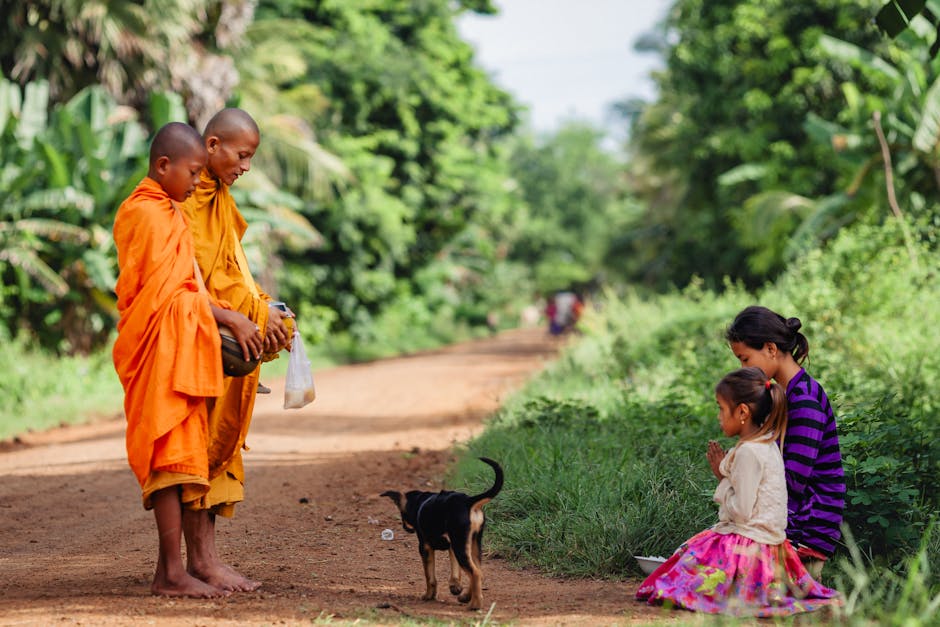
Cambodia's second-largest city doesn't particularly want to impress you, and that's exactly why it does. While everyone else zigzags between Siem Reap and Phnom Penh, Battambang just keeps being itself—a riverside city where French colonial shophouses sag gracefully into their second century, where kids practice backflips at a world-class circus school, and where you can ride a motorized bamboo platform along old railway tracks without tripping over selfie sticks. It's quieter, cheaper, and refreshingly less packaged than its famous siblings. The contrast is immediate. This is a place where 'attractions' feel wonderfully unpolished—Phnom Sampeu's killing caves and monastery sit atop a hill you actually have to climb, the Bamboo Train is literally a bamboo raft with a lawnmower engine strapped to it, and the highlight of your week might be watching local teenagers perform acrobatics at Phare Ponleu Selpak, the circus NGO that trains disadvantaged youth. Your ticket money goes directly to keeping kids in school. It's tourism that doesn't feel like tourism. You'll find yourself staying longer than planned. The rhythms here are slower, the interactions easier, the whole experience less transactional. This is Cambodia with the volume turned down—still complex, still carrying heavy history, but with enough breathing room to actually feel it. Travelers who make it here tend to get a bit smug about it, and honestly, they've earned it.
Why It's Unbeaten
Battambang sits awkwardly between Cambodia's two main tourist magnets: Angkor Wat to the north and Phnom Penh to the south. Most visitors skip it entirely, racing between these poles on the highway. The city lacks the archaeological spectacle of Siem Reap or the capital's urban energy, so it doesn't register on standard Southeast Asia itineraries. What's actually happening here—a thriving arts scene, serious food culture, and genuine local life—remains invisible to tourists following guidebook checkboxes. You'll find yourself in a place where tourism infrastructure exists but hasn't calcified into performance.
Exercise Increased Caution in Battambang due to land mines and unexploded ordnance in very remote areas, plus proximity to Thailand border where ongoing military fighting poses risks within 50km.
Advisory based on knowledge as of 2025. Always check travel.state.gov for the most current information.
Who Is This Trip For?
Recommended age range: All ages
Ages All ages
✓ Families with school-age children
✓ Slow travellers and backpackers
✓ History and culture enthusiasts
✓ Foodies and culinary explorers
✓ Photographers
✓ Solo travellers seeking authentic Southeast Asia
✓ Couples on a budget
✗ Beach lovers (no beach access; inland city)
✗ Luxury resort seekers (limited high-end accommodation)
✗ Travellers on a very tight schedule (slow-paced town rewards 2+ days)
✗ Those seeking nightlife and party scene (few bars, early closing times)
Getting There
Battambang sits about 290km northwest of Phnom Penh and 170km south of Siem Reap. From Phnom Penh, a minibus takes 5-6 hours via decent but potholed highways; from Siem Reap, expect 3-4 hours. Direct flights don't exist—you'll need to fly into either Phnom Penh or Siem Reap International Airport first. The bus from Phnom Penh is the most practical option; companies like Capitol Tours or Mekong Express run regular services. The road condition has deteriorated since COVID, so expect bumpy stretches, but the journey itself passes through real agricultural Cambodia rather than tourist zones. There's no train service that works for tourists anymore.
Budget Guide
Budget
$35USD / day≈ 140,489 KHR
Basic guesthouses ($8-12), street food and local meals ($5-8), local transport ($2-3), budget activities ($5-10)
Midrange
$75USD / day≈ 301,047 KHR
Mid-range hotels ($25-40), restaurant meals ($8-12), guided tours ($15-20), local transport and activities ($7-10)
Splurge
$150USD / day≈ 602,095 KHR
Upscale hotels and resorts ($60-90), fine dining ($25-40), private tours and experiences ($25-35), premium transport ($10-15)
* USD amounts are approximate. Exchange rates refresh hourly via Frankfurter.
Visa & Entry
Most nationalities, including US, UK, and EU citizens, require a visa to enter Cambodia. Visitors can obtain a visa on arrival (VOA) at major entry points including Battambang Airport, or apply for an e-Visa online prior to travel. The tourist visa is the most common option for short-term visits. All visitors must have a passport valid for at least 6 months beyond their date of entry, along with one passport-style photograph.
US
Visa on Arrival or e-VisaPassport valid 6+ months required, one passport photo needed
Apply:Cambodia Immigration or e-Visa Portal
UK
Visa on Arrival or e-VisaPassport valid 6+ months required, one passport photo needed
Apply:Cambodia Immigration or e-Visa Portal
EU
Visa on Arrival or e-VisaPassport valid 6+ months required, one passport photo needed
Apply:Cambodia Immigration or e-Visa Portal
Visa requirements are based on publicly available information and may have changed. Always confirm with the official embassy or consulate before travelling.
Where to Stay
Search for accommodation
The properties below are curated suggestions. You can also search directly on a booking platform.
Note on contact information: Where available, contact details are sourced from publicly available records and may be out of date.
Ground zero for backpackers in Battambang, and unapologetically cheap. The dorm beds are functional, not fancy, but the real value is the ground-floor communal space where you'll meet other travelers and book tours at competitive group rates. Their organized tours to Bamboo Train and regional attractions often work out cheaper than solo arrangements because people pool resources.
Contact details unavailable — try searching online or a booking site.
Search "The Real Place Hostel" on Booking.com →Solid mid-range option 50 meters north of the main market. The elevator and spacious reception give it a professional feel that still costs less than comparable places elsewhere. Rooms have air-con or cheaper fan options, free WiFi, and staff who actually speak English. Worth the upgrade if you want privacy and reliability without tourist markup.
Contact details unavailable — try searching online or a booking site.
Search "Seng Hout Hotel" on Booking.com →Battambang has several small, character-driven guesthouses catering to travelers who want something more curated than hostels but less corporate than chains. Look for places run by locals or long-term expats who can give real insider tips on the food scene and arts happenings.
Contact details unavailable — try searching online or a booking site.
Search "Bambu Hotel (implied from region standards)" on Booking.com →What to Do
This is the genuine draw in Battambang—high-energy circus performances by students from an NGO school working with disadvantaged kids. The shows feature real circus disciplines and the ticket ($16) directly supports the school. It's not touristy performance art; it's young Cambodians training seriously and performing with genuine pride. Check their website or grab flyers around town for schedules.
A bamboo platform on train axles powered by a small engine—basically a motorized raft on defunct railway tracks. The standard rate is $5 per person (minimum 2 people) and worth asking your driver to pause at scenic spots rather than rushing through. It's touristy but genuinely odd in a good way, and you'll see rural landscape most tourists never reach.
A hill about an hour's climb featuring Khmer Rouge killing caves (sobering), Buddhist caves with statues, a monastery, and two stupas on top. The admission also includes Wat Banan. The historical weight is real—it's not prettified—and the views across the Battambang plain are worth the sweat. Go early to avoid midday heat.
A 10th-century temple complex included with Phnom Sampeu admission. It's less crowded than Siem Reap temples and the architecture is worth studying if you care about Khmer design evolution. The surrounding landscape is agricultural and largely unmanicured—you'll see actual Cambodian countryside rather than tourist zones.
Battambang's markets are genuine working spaces, not performance venues for tourists. Wander early morning when vendors are setting up and energy is highest. You'll see the produce diversity that earned the city its UNESCO gastronomy designation and can buy fresh fruit or ingredients for a picnic.
Rent a bicycle ($1-2/day) and venture beyond the city center. The roads are rough post-COVID, but cycling through villages, orchards, and rice paddies gives you unfiltered rural Cambodia. It's slow, uncomfortable at times, and exactly why you came here.
Where to Eat
Battambang earned UNESCO Creative City status in gastronomy for a reason—the region produces exceptional fruit, vegetables, and rice that get worked into local cuisine with real skill. Street food is genuine and cheap, but eat early (around 18:00) because many places close by 19:00 and streets become poorly lit. French colonial influence left a mark on the bread culture here, though quality varies wildly depending on where you buy. The food scene rewards curiosity and wandering rather than guidebook recommendations.
Hunt for the proper French-style baguettes ($0.30 for a medium) sold by vendors between the French cultural center and the giant entrance statue. These are legitimately good—crispy crust, proper crumb—unlike the sugar-dusted versions sold elsewhere in town. Eat them with cheese or pâté from the market.
Explore the morning market for fresh local noodle dishes, soup, and grilled fish. Prices are $1-3 per meal and you're eating what locals eat for breakfast. The lack of English menus is actually a feature—point at what looks good and eat standing up with everyone else.
While primarily a hostel, they run a decent restaurant that serves both backpacker staples and local dishes. Useful as a reference point for learning Khmer names of dishes you can then find elsewhere cheaper.
Language & Culture
Official Language
Khmer
English Spoken
Moderate
Some English spoken in tourist areas, hotels, and restaurants — limited elsewhere
📱 Translation app useful as a backup
Cultural Tips
Cambodia is a Buddhist nation; show respect to monks and religious sites by removing shoes, dressing modestly, and never pointing at statues of the King. In conversation, avoid criticising the monarchy or government. Greetings are warm; a slight bow with palms together (sampeah) shows respect. Tipping is appreciated but not obligatory; rounding up restaurant bills or 10% for good service is kind.
Useful Phrases
Safety & Health
Battambang is one of Cambodia's safer cities; violent crime against tourists is rare, and the general vibe is relaxed and welcoming. Standard precautions apply: avoid walking alone after dark (many streets lack lighting), don't display expensive jewellery or cameras, and be wary of scammers posing as charity collectors near the river. Street dogs occasionally bite non-locals; carrying a stick or stones is advised if walking frequently in residential areas. The hot season (February–May) brings extreme heat and dust—wear sunglasses, stay hydrated, and take breaks indoors. Vaccinations recommended include Hepatitis A, Typhoid, Japanese Encephalitis, and Tetanus; malaria is present but rare in the town itself. Medical facilities are basic but adequate for minor issues; serious illness requires evacuation to Phnom Penh or Thailand. Tap water is unsafe; drink bottled water. Food-borne illness is a risk during the hot season when hygiene standards drop—eat at busy stalls with high turnover, avoid raw vegetables at street vendors, and stick to well-cooked food.
Best Time to Visit
November through February offers the most comfortable conditions—dry, relatively cool, and the low season for malaria risk. The hot season (March-May) is brutal and the rainy season (June-October) brings infrastructure challenges, though the landscape turns lush.
✓ Comfortable temperatures, minimal rain, easiest time to navigate the city on foot or bicycle, best visibility for countryside cycling, lower malaria risk. The weather won't fight you.
✗ Slightly more tourists during peak months (December-January), though Battambang still never feels crowded. Accommodation fills up near holidays so book ahead.
✓ Fewer tourists, very cheap accommodations, the landscape is dry and fields are cleared so it's easier to see across the plains. If you tolerate heat, you get Battambang almost to yourself.
✗ Temperatures regularly exceed 35°C (95°F), often hitting 40°C. Walking becomes genuinely uncomfortable past mid-morning. Heat exhaustion is a real risk if you're not careful.
✓ Lush green landscape, dramatic skies, very few tourists, food prices drop, the countryside is at its most visually stunning. Infrastructure problems are offset by authentic emptiness.
✗ Heavy rainfall damages roads further, flooding blocks some routes, malaria risk rises, many activities become weather-dependent, streets are muddy and navigating at night is harder. Power outages increase. Go only if you enjoy chaos and visual beauty in equal measure.
Honest Caveats
Infrastructure here is worn. Roads are pocked with potholes, footpaths are deteriorating, and streets after dark are genuinely dark—not moody atmospheric dark, but actually hard to navigate. Power outages happen. WiFi is inconsistent. If you need reliable creature comforts, book accommodation with good reviews for reliability. Motorbike rental is cheap but police may attempt to fine tourists; it's a low-level hassle rather than dangerous, but stay calm and carry small bills. The driving culture is hazardous by Western standards—locals drive unpredictably and traffic feels chaotic. If you're uncomfortable on the back of a motorbike or renting one yourself, stick to tuk-tuks or walking.
Difficulty Breakdown
Overall
3/10
Easy
Language Barrieri
4/10
Easy
Logisticsi
3/10
Easy
Physical Demandi
2/10
Very Easy
Infrastructurei
2/10
Very Easy
What This Means
Battambang is a genuinely accessible destination for first-time Southeast Asia travellers and families. Infrastructure is solid enough for independent travel, prices are rock-bottom, and the local population is friendly to tourists. The main challenges—heat, language, and the need to stay aware of basic safety rules (avoid walking at night, watch for street dogs, be cautious of petty scams)—are manageable with common sense. The town's UNESCO Creative City status and reputation as a slow-travel hub mean it rewards curious, flexible explorers over those seeking all-inclusive comfort.
Nearby Destinations Worth Combining
Click any destination to see why it pairs well with Battambang.
Location
Map data © OpenStreetMap contributors