
Bac Kan
Vietnam
Southeast Asia · Best time: September–November, March–May
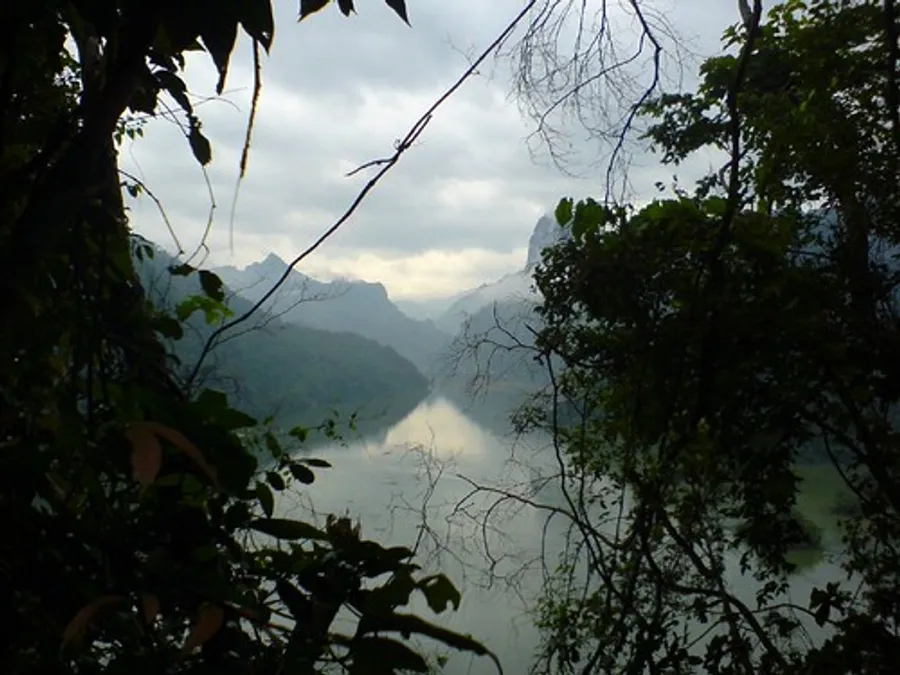
Bac Kan is what northern Vietnam looked like before the tour buses figured it out. This sleepy provincial capital sits wedged between limestone karsts and Ba Be National Park, Vietnam's largest natural lake, and somehow remains gloriously ignored by the Hanoi-Sapa-Ha Long circuit. The town itself is just wide enough for a morning walk—Truong Chinh Street cuts through the center past local noodle joints where you'll be the only foreigner slurping bun ca re (snakehead fish noodle soup) at 7am.
The real magic is Ba Be Lake, about an hour's motorbike ride northwest. Forget Ha Long Bay's junk boat selfie factories—here you'll board a wooden boat with maybe three other people, glide past Tay and Dao villages built on stilts, and drift into Puong Cave where the only sound is water dripping and bats overhead. The Nang River feeds into the lake through a series of waterfalls at Dau Dang that you can walk right up to, no ticket booth or safety railing in sight. Stay in Pac Ngoi village and your homestay host will probably be up making rice wine before you wake.
Travellers who make it here tend to feel like they've stumbled onto something they shouldn't tell too many people about. There's no English signage to hold your hand, no banana pancakes or happy hour specials, just a functioning Vietnamese town that happens to sit next to extraordinary nature. The roads are empty enough that you'll pull over just to watch the mist burn off the mountains. You came to Vietnam for this feeling, you just didn't know you'd find it in Bac Kan.
Why It's Unbeaten
Bac Kan sits in the blind spot between Vietnam's two major tourist circuits. Most travellers rush from Hanoi northward to Sapa for trekking, or south to Halong Bay for cruises. Bac Kan offers something genuinely different—limestone karsts, pristine lakes, and ethnic minority villages—but lacks the infrastructure marketing that pulls crowds to those destinations. The result is a province where you'll encounter far more locals than foreigners, where guides aren't jaded, and where you're not competing with tour buses for viewpoints. It's the kind of place that existed as a proper travel experience five years ago, before mass tourism homogenized it.
The Reward
You'll drift across Ba Be Lake at dawn in a wooden boat with a Tay guide who doesn't speak much English, slipping into the mouth of Puong Cave as bats circle overhead and the only other sound is your oar cutting through black water—this is the northern Vietnam that existed before Instagram discovered it.
Visit instead of: Ha Long Bay — You get the same dramatic limestone karsts and water scenery, but from a wooden boat with three passengers instead of a cruise ship with three hundred.
Ideal For
Nature photographers, Slow travellers, Cultural explorers
Not Ideal For
Luxury seekers, Party crowds
Recommended Stay
4–5 days
Enough time to explore Ba Be Lake properly, stay in a Pac Ngoi homestay, visit Dau Dang waterfalls, and experience the rhythms of local life without rushing.
Tafraout
Morocco
North Africa · Best time: February–April, October–November

Tafraout sits in a valley of pink granite boulders that look like they've been scattered by giants, two hours of switchback roads south of Agadir. This is the Anti-Atlas at its most peculiar and beautiful — a landscape so alien that Belgian artist Jean Vérame once painted several of the massive rocks blue (they've faded to grey now, but locals still call them the Painted Rocks). The town itself is small enough that you'll recognize faces by day two, built from the same rose-colored stone that forms the mountains around it, creating this seamless effect where buildings seem to grow from the earth itself.
The souks here on Wednesday and Saturday mornings aren't staged for cameras. You'll find Berber women in traditional dress selling argan oil they've pressed themselves, almonds from the surrounding groves (Tafraout is almond country — visit in February when the valley turns white with blossoms), and babouches in colors you won't see in Marrakech. For lunch, skip the handful of tourist-facing places on the main square and head to Cafe Etoile d'Adrar where locals gather for tagine with prunes and almonds that actually comes from a neighbor's tree.
What makes people feel lucky about Tafraout is the absence of performance. Shopkeepers in the covered section of the souk along Avenue Hassan II will pour you mint tea and chat without expecting a sale. The hiking is spectacular — the Painted Valley and Napoleon's Hat rock formation are both within walking distance — and you'll likely have the trails to yourself except for the occasional goat herder. Stay at Maison Traditionnelle or Auberge l'Etoile du Sud, small guesthouses where the owners actually sit down to eat with you, and you'll start to understand why French and Belgian retirees keep quiet about this place, winter after winter.
Why It's Unbeaten
Tafraout sits in the far southwest of Morocco, completely overshadowed by the Marrakech-Essaouira-Atlas circuit that dominates most itineraries. Tourists flock to the obvious Moroccan checkboxes—medinas, souks, desert camps—without realizing that Tafraout offers something rarer: a genuinely quiet mountain town with dramatic geology, Berber culture that feels lived-in rather than performed, and a sense of arrival rather than transit. The town is also deliberately low-key. There are no grand monuments, no UNESCO sites, no Instagram-bait architecture. This keeps it off lists and out of guidebooks, which is precisely why it works.
The Reward
Sitting in the covered souk with a shopkeeper who pours you mint tea and talks about his grandfather's almond groves—not as a preamble to a sale, but because you're there on a Wednesday morning when the Berber women arrive with pressed argan oil and the town still belongs to itself.
Visit instead of: Marrakech — Tafraout gives you the mountain Berber culture and authentic souks without the touts, crowds, and performance fatigue that now define the imperial cities.
Ideal For
Slow travellers craving quiet, Photographers chasing geology, Families wanting unhurried Morocco
Not Ideal For
Monument collectors, Luxury seekers
Recommended Stay
3–4 days
Enough time to hike the Painted Valley and Napoleon's Hat, catch a Wednesday or Saturday souk, and settle into the rhythm of a town where you recognize faces by day two.
Loading...