
Piran
Slovenia
Coastal Istria · Best time: May–June (Late spring/early summer); July–August (Peak summer); September–October (Early autumn)

Piran is what every Italian coastal town used to be before the cruise ships arrived—except this one's in Slovenia, perched on a tiny peninsula jutting into the Adriatic like a Venetian daydream that forgot to wake up. For nearly five centuries, this was Venetian territory, and it shows: Gothic palaces with stone lions, a bell tower that could be St. Mark's little sibling, narrow lanes that twist toward the sea. But here's the thing—while Venice drowns in selfie sticks, Piran remains blessedly, almost inexplicably quiet. You'll have Tartinijev trg, the gorgeous oval main square paved in white stone, mostly to yourself.
The Venetian House on the square tells you everything about this place's personality. A wealthy merchant built it for his mistress in the 15th century, and between the upper windows, there's still an inscription that reads "Lassa pur dir"—let them talk. That defiant romanticism runs through the whole town. Climb the medieval city walls (warning: they're genuinely steep and narrow, not Instagram-friendly) and you'll see terracotta roofs cascading toward turquoise water. There's no beach here—just stone piers where locals dive straight into the Adriatic, which somehow feels more honest.
What makes travellers feel lucky isn't just the Venetian architecture or the lack of crowds. It's the strange, preserved authenticity of the place. You can watch the sunset from a waterfront bar with an Aperol spritz, walk the coastal path to the village of Fiesa, or explore Piran's maritime history at the Sergej Mašera Museum—all without performing tourism. You're just... there. In a place that stunning coastal towns aren't supposed to be anymore: real, accessible, and refreshingly unconcerned with what everyone else is doing.
Why It's Unbeaten
Piran is overshadowed by Slovenia's more famous draws—Ljubljana's culture vultures and Lake Bled's Instagram crowds—leaving this Venetian coastal gem remarkably quiet for its beauty. Most tourists heading to the Adriatic bypass it entirely for Croatia's more established coastal towns, unaware that Piran offers genuine Mediterranean charm without the backpacker infrastructure of Dalmatia. The town sits in a sweet spot: beautiful enough to warrant a visit, but obscure enough that you won't fight through hordes of selfie-stick wielders.
The Reward
Venetian bell towers and salt-crusted history cling to this Adriatic peninsula where Slovenian grandmothers still hang laundry over the sea.
Visit instead of: Dubrovnik, Croatia — Smaller, less crowded medieval Adriatic alternative with authentic Venetian heritage and harbour charm.
Ideal For
Slow travellers, History and architecture lovers, Photographers, Couples, Cultural explorers, Maritime heritage enthusiasts
Not Ideal For
Party travellers, Beach swimmers (no proper beach), Those with mobility impairments, Visitors seeking crowded nightlife
Recommended Stay
Anghiari
Italy
Southern Europe · Best time: April-May (Spring); September-October (Autumn); June-August (Summer)
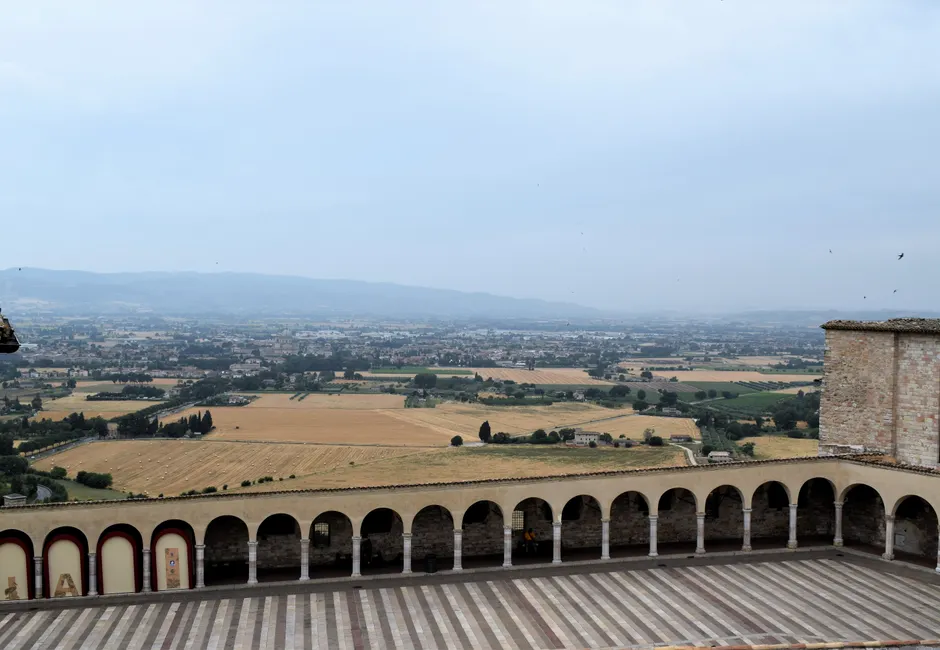
Anghiari clings to a hillside in eastern Tuscany like it's trying to avoid being noticed, and honestly, it's done a pretty good job. This medieval borgo is where Leonardo da Vinci came in 1440 to sketch one of history's most famous battles — though the painting he made for Florence's Palazzo Vecchio has since vanished. What hasn't vanished is the tangle of stone alleyways, the morning light hitting the Tiber Valley below, and the feeling that you've stumbled onto something you weren't supposed to find.
The town unfolds along Via Garibaldi and around Piazza Baldaccio, where locals still gather at Bar Borghesi for espresso and gossip. Wander down to Via del Castello and you'll find artisan workshops where people are actually making things — furniture restorers, textile artists, the kind of craftspeople who've become museum exhibits elsewhere. For lunch, Osteria del Vicario serves pici all'aglione, a local pasta with a tomato-garlic sauce that the valley has been making since before tomatoes were fashionable. The portions are absurd, the wine is local, and nobody's performing Tuscany for you.
What makes Anghiari feel like a secret is partly geography — it's just far enough from the Florence-Siena-San Gimignano triangle that tour buses don't bother — and partly attitude. The town was named one of Italy's most beautiful villages, yet it still feels like people live here because they want to, not because they're managing an outdoor museum. Walk the walls at sunset toward the Campano Tower, and you'll understand why travellers who make it here tend to get quietly proprietary about the place, like they've discovered a Tuscan town that tourism forgot to ruin.
Why It's Unbeaten
Anghiari sits in the shadow of Tuscany's superstars—Florence, Siena, San Gimignano—and that's precisely why it remains unspoiled. Most tourists follow the well-worn loop through the Val d'Orcia and Chianti, ticking off the famous hilltop towns while missing this gem entirely. The village lacks the Instagram-famous tower views or Renaissance art collections that draw crowds, so it attracts only those actively seeking authentic medieval life rather than postcard moments. As a result, you'll walk cobblestone streets in genuine solitude, eat at tables where locals outnumber visitors, and experience the Tuscan countryside as it actually exists rather than as a curated experience.
The Reward
This vertical medieval town in Tuscany's eastern hills still bears sword marks from the 1440 battle that Piero della Francesca immortalized.
Visit instead of: Florence — Same Renaissance art treasures and Tuscan landscape, zero tour buses and selfie sticks—stay 2 hours north instead.
Ideal For
Families seeking slow travel, Art and history lovers, Couples seeking romance, Solo cultural explorers, Retirees and older travellers, First-time Italy visitors
Not Ideal For
Party and nightlife seekers, Beach holiday planners, Travellers requiring intensive English language support, Those with limited mobility (steep medieval streets)
Recommended Stay
Loading...