
Varna
Bulgaria
Eastern Europe · Best time: April–May (Spring); June–August (Summer); September–October (Autumn)
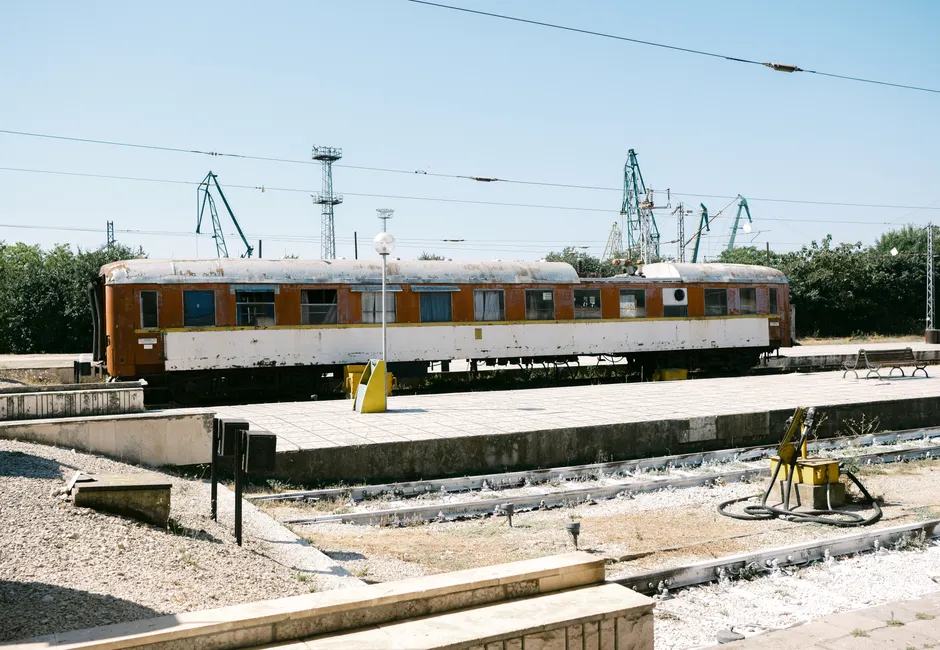
Varna rewards the traveller who has grown weary of fighting for photo angles. Bulgaria's third city sits at the bottom of a wide gulf on the Black Sea, where a limestone plateau meets the water and Roman ruins lie casually beneath Orthodox churches. This is a place where the oldest worked gold in the world was pulled from Chalcolithic graves, where the massive Dormition of the Mother of God Cathedral anchors the city centre not as a monument but as a living meeting point — locals still say 'at the Cathedral' when making plans, gathering in the small park beneath its 1886 domes.
The seafront here isn't a manicured resort strip but something more interesting: Primorski Park sprawls for kilometres along the coast, a shaded labyrinth of walking trails that eventually deposits you onto the beach promenade with its bars and restaurants. When the main beach gets lively (and it will, with cocktails flowing at shoreline clubs), the locals slip away to Fichoza for something quieter. This is a city that still belongs to the people who live here, where the rhythm of a summer evening means cold Bulgarian beer at a pavement table, not a queue for an overpriced attraction.
Venture forty minutes south to the Kamchia Biosphere Reserve and you'll find yourself kayaking through flooded forests where the river meets the sea — proper wilderness, guided and unhurried. The municipality runs free walking tours from the Tourist Information Center, which tells you something about Varna's relationship with visitors: come, see what we have, no hard sell required. Travellers who find their way here often describe the same feeling — that they've stumbled into somewhere real, where a few euros buy a long lunch and the Black Sea glitters without a cruise ship in sight.
Why It's Unbeaten
Varna gets eclipsed by Bulgaria's mountain destinations (Bansko, Rila) and the overcrowded Black Sea resorts further north (Golden Sands, Sunny Beach). Most Western tourists treat it as a transit point to those places, missing the fact that it's Bulgaria's third-largest city with genuine character—a working port town with serious museums, Byzantine churches, and a waterfront that doesn't cater entirely to package tourists. The beach scene exists here too, but without the artificial resort atmosphere; it's where locals actually spend their summers. For curious travellers, this is where Bulgaria's gritty modernity meets Ottoman-era architecture without the Disney-fication.
The Reward
The world's oldest processed gold—6,000 years buried—surfaced here, and Varna still feels like a secret the Black Sea keeps.
Visit instead of: Constanța, Romania — Similar Black Sea coastal charm at lower prices with comparable beach and cultural attractions.
Ideal For
Beach lovers, Families, History and culture enthusiasts, Budget travellers, Nature explorers
Not Ideal For
Those seeking extreme isolation, Winter sun seekers (off-season)
Recommended Stay
Djemila
Algeria
North Africa · Best time: April–May (Spring); September–October (Autumn); June–August (Summer)
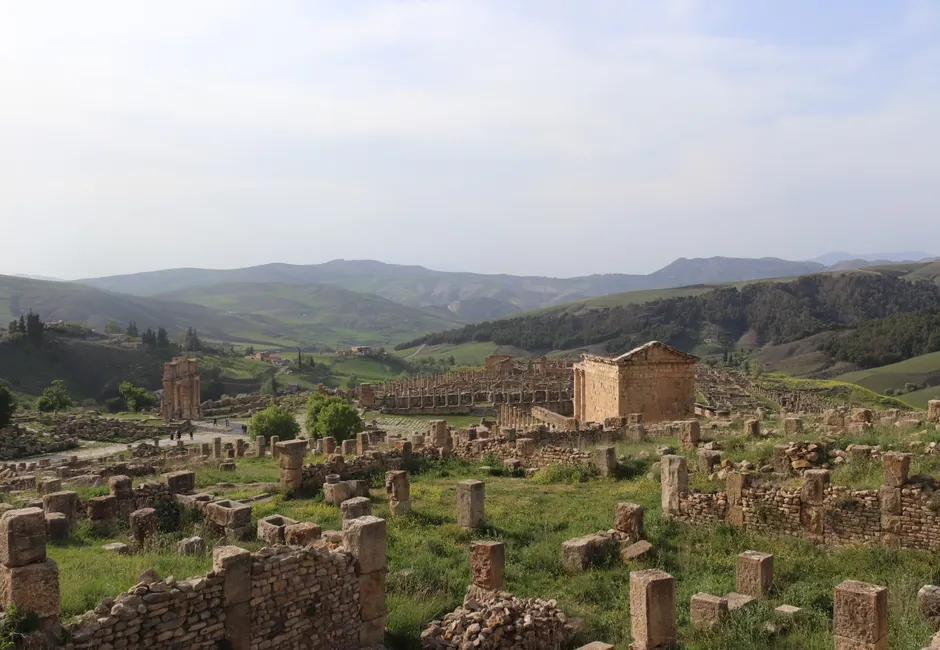
Djemila doesn't reveal itself all at once. You drive through the scrubby highlands of northeastern Algeria, the road climbing past 900 meters, and then suddenly there it is — an entire Roman city sprawled across a narrow mountain ridge between two seasonal rivers, its honey-colored columns and archways so intact you half-expect a toga-clad senator to round the corner. This is Cuicul, founded under Emperor Nerva in the late first century, and it remains one of the most complete Roman sites in existence, yet chances are you'll share it with a handful of local visitors and nobody else.
What makes Djemila extraordinary isn't just its preservation — it's how the Romans bent their rigid urban planning to this improbable terrain. The original settlement clings to a rocky spur, its forum and Capitoline temple oriented to the mountain's logic rather than the compass. When the city outgrew its walls in the third century, they simply extended south, adding the striking Arch of Caracalla, the Severan Temple, and a marketplace whose stone counters still show the wear of ancient commerce. The Christian quarter came later, with a cathedral complex and baptistery whose scale rivals anything from early Christendom.
The on-site museum houses one of North Africa's finest mosaic collections — mythological scenes and domestic vignettes pulled from the villas that once lined these streets. But the real reward is walking the actual streets themselves, tracing the ruts worn by cart wheels, standing in the small theater that faces the mountains. Djemila means 'beautiful' in Arabic, a name given by people who arrived centuries after Rome fell and still recognized something worth honoring. Travelers who make it here understand immediately — this is the Roman world preserved not behind glass or ropes, but open to the wind and the light, patient and unbothered by time.
Why It's Unbeaten
Djemila sits in the shadow of Algeria's more accessible Roman sites—Tipaza and Timgad get the lion's share of international attention—but this 900-meter mountain settlement offers something those flatter, more famous ruins don't: authentic adaptation of Roman urbanism to genuine topographical constraint. Most travellers heading to North Africa stop at Morocco or Tunisia; Algeria remains politically cautious in perception, and Djemila's location in Kabylie, 50km northeast of Sétif, requires deliberate route-planning rather than a convenient tour-bus day trip. The result is a site where you'll likely have entire temple complexes and mosaic-lined houses to yourself, where the landscape itself—two mountain torrents carving the spur—feels as much part of the story as the stone.
The Reward
Roman columns rise from golden Algerian hillsides here, casting the same shadows they did 2,000 years ago—with no one watching but you.
Visit instead of: Pompeii, Italy — A comparably preserved Roman settlement with superior accessibility, but far fewer visitors and lower costs at Djemila.
Ideal For
History enthusiasts, Archaeology lovers, Cultural travellers, Slow travellers, Photography enthusiasts
Not Ideal For
Party seekers, Beach holiday makers, Those seeking luxury comfort
Recommended Stay
Loading...