Overview
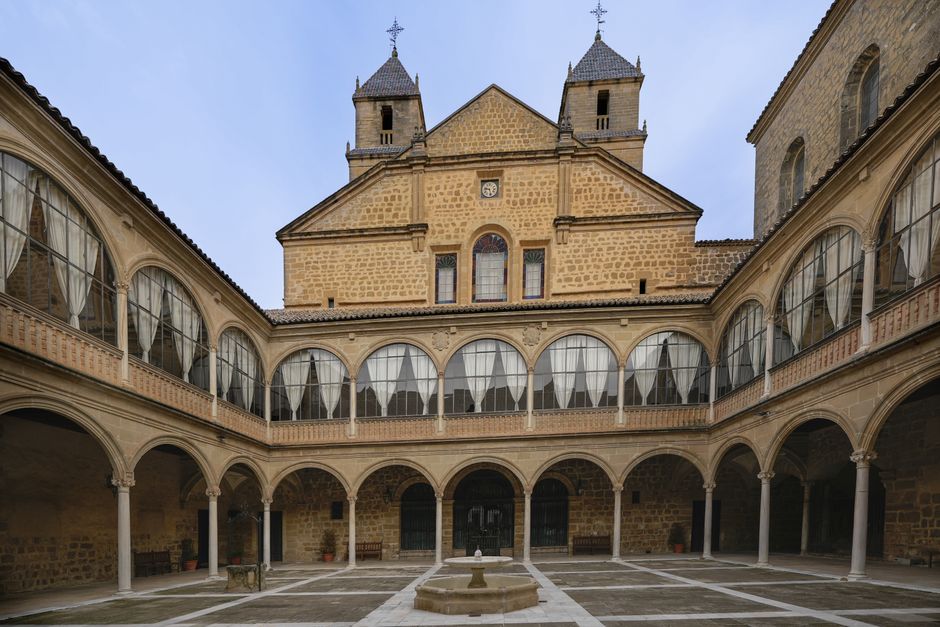
Úbeda sits on a ridge in Jaén province, quietly holding one of the most remarkable concentrations of Renaissance architecture in Spain — perhaps in all of Europe — yet most travelers have never heard of it. While they queue for the Alhambra two hours south, this town delivers equally stunning craftsmanship with a fraction of the visitors. The Plaza Vázquez de Molina alone would be worth the journey: a golden-stone square anchored by the Sacra Capilla del Salvador, a 16th-century funeral chapel so ornate and assured it feels like Florence wandered into Andalucía and decided to stay. What strikes you first is the silence. You can stand in front of the Palacio de las Cadenas at midday and hear your own footsteps. Wander down Calle Juan Montilla to find workshops where artisans still craft the green-glazed esparto pottery Úbeda has produced for centuries — not as performance for tourists, but because people here actually use it. The town's relationship with its past feels unforced, lived-in rather than preserved under glass. Eat at a bar on Plaza del Primero de Mayo and order ochíos — small anise-scented bread rolls baked with olive oil from the surrounding groves, which produce some of Spain's finest. Pair them with perdiz en escabeche (pickled partridge) and a glass of local wine while watching elderly men argue about nothing in particular. The olive oil here isn't a condiment; it's practically a religion, and once you've tasted it straight from a ceramic dish with rough bread, the supermarket stuff will never recover. Travelers who find Úbeda tend to speak of it with a certain possessiveness, the way you might guard a favorite bookshop. It rewards slowness and attention. It doesn't perform. It simply exists as it has for five hundred years — beautiful, unhurried, and indifferent to whether you show up or not. That indifference, paradoxically, is part of what makes being there feel like such a gift.
Why It's Unbeaten
Úbeda sits in Jaén province, deep in Andalusia's interior, where most tourists stick to the Granada-Córdoba-Seville triangle. It's a Renaissance jewel that gets completely eclipsed by its flashier neighbours — Granada has the Alhambra, Córdoba has the Mezquita, Seville has flamenco and romance. But Úbeda has something rarer: an almost intact 16th-century town centre with some of Spain's finest secular Renaissance architecture, yet without the crowds or inflated prices. Most visitors simply never think to come here because it requires intentional travel — it's not on the way to anywhere obvious, and it doesn't market itself aggressively. The town feels genuinely lived-in rather than museumified. You'll see locals buying groceries in the Plaza Vázquez de Molina, the most architecturally significant square in Andalusia, rather than crowds of tour groups posing for photos. This is partly because Úbeda was designated a UNESCO World Heritage Site relatively recently (2003), and it still hasn't attracted the infrastructure of mass tourism. If you want Renaissance architecture without Renaissance-fair atmosphere, this is it.
Exercise Increased Caution in Spain due to terrorism and civil unrest.
Advisory based on knowledge as of 2026. Always check travel.state.gov for the most current information.
Who Is This Trip For?
Recommended age range: All ages
Ages All ages
✓ Families
✓ Slow travellers
✓ History and art lovers
✓ Photographers
✓ Retirees
✓ First-time Spain visitors
✗ Party and nightlife seekers
✗ Beach lovers
✗ High-adrenaline adventure travellers
✗ Those seeking large-scale attractions
Getting There
The nearest major airport is Málaga (180km south), served by most European carriers. From Málaga, rent a car or take a bus to Jaén city (2.5 hours by bus), then another bus to Úbeda (1 hour). The bus route exists but isn't frequent — check schedules in advance. Alternatively, fly into Seville (240km west) and drive or bus east through olive country; the drive is genuinely scenic and takes about 3.5 hours. If you're coming from Granada or Córdoba, a rental car is worth the cost — public transport exists but involves connections and waiting. The drive from Granada is 2.5 hours through the Subbética mountains. Once in Úbeda, the entire Renaissance core is walkable and car-free, so park on the outskirts (plenty of free parking near the bus station) and explore on foot. Don't expect Uber or taxis to be readily available; the town simply doesn't have that infrastructure yet.
Budget Guide
Budget
$50USD / day≈ 43 EUR
Budget accommodation in hostels or basic hotels, local food and tapas, public transport, and minimal attractions
Midrange
$100USD / day≈ 86 EUR
3-star hotel, dining at local restaurants, entrance fees to major sites, local transport and some organized tours
Splurge
$200USD / day≈ 172 EUR
4-5 star accommodations, fine dining, premium guided tours, cultural experiences, and comprehensive activity access
* USD amounts are approximate. Exchange rates refresh hourly via Frankfurter.
Visa & Entry
US citizens do not require a visa to enter Spain and can stay visa-free for up to 90 days within any 180-day period as part of the Schengen Area. However, starting in October 2025, all non-EU and non-Schengen travelers, including US citizens, must register with the new Entry/Exit System (EES) upon arrival or departure. UK citizens also travel visa-free to Spain for up to 90 days in any 180-day period and must comply with the same EES registration requirements introduced in October 2025. EU citizens can travel freely within Spain without visa restrictions as members of the Schengen Area. It is recommended to allow extra time at border control for EES processing and to ensure your passport is valid for the duration of your stay.
US
Visa-freeEES (Entry/Exit System) registration required from October 2025 onwards
UK
Visa-freeEES (Entry/Exit System) registration required from October 2025 onwards
EU
Visa-freeFree movement within Schengen Area
Visa requirements are based on publicly available information and may have changed. Always confirm with the official embassy or consulate before travelling.
Where to Stay
Search for accommodation
The properties below are curated suggestions. You can also search directly on a booking platform.
Note on contact information: Where available, contact details are sourced from publicly available records and may be out of date.
Housed in a 16th-century palace (the Vázquez de Molina mansion) right on the main square. You're literally sleeping in the architecture you came to see. The service is formal and reliable, rooms are comfortable if not particularly charming, and breakfast on the terrace overlooking the plaza is worth the premium.
Contact details unavailable — try searching online or a booking site.
Search "Parador de Úbeda" on Booking.com →A converted townhouse on a quieter street in the old centre with genuine character. Exposed stone walls, small rooms with personality, and a tiny courtyard garden. The owners are knowledgeable about the town and don't oversell it — refreshing honesty.
Contact details unavailable — try searching online or a booking site.
Search "Hotel Rosario" on Booking.com →A family-run casa in the Renaissance quarter with simple but clean rooms and a shared kitchen. Juana herself is a font of local knowledge and will point you toward places tourists never find. Best value in town and genuinely hospitable.
Contact details unavailable — try searching online or a booking site.
Search "Casa Juana" on Booking.com →Modern comfort in an old building, with good wi-fi and air conditioning (essential in summer). Less character than the others but reliable, well-located, and fair pricing. Good fallback if the boutique places are full.
Contact details unavailable — try searching online or a booking site.
Search "Hotel María de Molina" on Booking.com →What to Do
Spend an hour just sitting here with coffee. The square is surrounded by 16th-century Renaissance buildings: the Palacio Vázquez de Molina, the Iglesia de Santa María de los Reales Alcázares, and the Hospital de Santiago. No single monument is as famous as the Alhambra, but the coherence of the ensemble is extraordinary. Early morning or late afternoon light is best.
A late-Gothic church with genuine artistic depth — the retablos and religious artworks are exceptional and far less crowded than cathedral equivalents elsewhere. The interior is austere and spiritual in a way that feels authentic rather than staged. Entry is €2 and usually you're the only visitor.
Wander the tight medieval streets west of the main square, particularly around the Sinagoga del Agua. This isn't a museum quarter — it's a functioning residential area where laundry hangs from windows and locals nod hello. The architecture, layouts, and names tell the story of Úbeda's multicultural medieval past more honestly than any plaque.
Úbeda is famous for green-glazed ceramics (alfarería verde). Visit working potters like those on Calle Fuerte or in small workshops scattered through the old town. You can watch craftspeople actually making pieces, not just buying mass-produced souvenir versions. Prices are reasonable and the work is genuinely beautiful.
A Poor Clare convent still in operation, with a stunning cloister and church accessible to visitors. The nuns sell traditional dulces (sweets) made in the convent kitchen — genuinely good and cheap. The quiet here is profound; it's a functional religious space, not a heritage attraction.
The surrounding countryside produces exceptional olive oil. Ask your accommodation to arrange a visit to a working olive farm or mill (many offer tastings). You'll learn the difference between harvest timing and pressing methods while supporting local producers. Go in autumn/winter when the harvest is active.
Where to Eat
Úbeda's food is Jaén regional cooking: simple, ingredient-focused, and built around olives, game, and espetos (fried fish). This isn't refined restaurant territory — it's honest food that tastes like someone's grandmother made it. The local specialty is salmorejo (a thicker gazpacho), espinacas con garbanzos (spinach with chickpeas), and various preparations of rabbit and venison. Wine comes from the DO Jaén region — not famous but good value and perfectly adequate. Restaurants here are genuinely cheap by European standards, and portion sizes are generous. Don't expect fine dining; expect well-executed regional food in no-nonsense settings.
Simple, family-run place near the Plaza Vázquez de Molina. Order the espinacas con garbanzos, the salmorejo, and whatever game is in season (rabbit is reliably excellent). Main courses are €8-14, and locals eat here — always a good sign. The owner will chat about the town's history if given the chance.
No pretension whatsoever. Get the espetos (fried anchovies), the jamón ibérico, and the house wine by the jug. It's the kind of place where fishermen's boats and construction workers eat alongside tourists. Genuinely good food at prices that seem impossible (€10-12 for a full meal with wine).
For casual eating, grab tapas here rather than sitting down for a full meal. The montaditos (open-faced sandwiches) are excellent, prices are negligible, and the wine list is solid. Stand at the bar like locals do and watch the town go by.
Language & Culture
Official Language
Spanish (Castellano)
English Spoken
Moderate
Some English spoken in tourist areas, hotels, and restaurants — limited elsewhere
📱 Translation app useful as a backup
Cultural Tips
Spaniards value politeness and formality in first meetings—use 'señor/señora' until invited to use first names. Meal times are later than Northern Europe; dinner typically starts at 9–10 PM. Sunday is a family day when many shops close; plan accordingly and embrace the slower pace of local life.
Useful Phrases
Safety & Health
Úbeda is a safe, peaceful destination with very low crime rates typical of small Spanish towns. Petty theft is rare, and violent crime is virtually non-existent. Standard travel precautions (securing valuables, avoiding isolated areas late at night) are sufficient. Healthcare is excellent — Spain has one of Europe's finest public health systems, and Úbeda has a modern medical centre (Centro de Salud) with English-speaking staff available. No vaccinations are required beyond standard routine immunizations; travel insurance is recommended but not mandatory. The town has reliable pharmacies (farmacias) on the main streets, and any common ailments can be treated quickly and affordably.
Best Time to Visit
October to April is ideal — temperatures are manageable, the light is clearer, and you avoid the crushing summer heat. Spring (March-April) offers the best light and comfortable walking temperatures. May onwards becomes increasingly hot until September is nearly unbearable for walking the stone streets.
✓ Perfect weather for walking (18-25°C). Light is warm and clear. Wildflowers in the surrounding countryside. Fewer visitors than summer but the town isn't empty.
✗ Occasional rain. Easter week brings slight crowds (mainly Spanish families), though still manageable.
✓ Weather begins to cool. Olive harvest begins, so surrounding countryside is active and there are tasting opportunities. Light is golden. Summer crowds gone, winter crowds haven't arrived.
✗ Some restaurants may have reduced hours as locals settle into off-season patterns. Rain possible late November.
✓ Genuinely empty. No crowds whatsoever. Cold but rarely freezing (5-15°C). The town feels entirely yours. Cheap accommodation.
✗ Many churches and some attractions have reduced visiting hours. Nights are long and dark. Some restaurants close mid-week. Weather is unpredictable; rain is common.
Honest Caveats
Úbeda is quiet — almost too quiet for some people. If you need nightlife, energy, or constant activity, you'll be bored by evening. The town essentially shuts down by 10pm, and there's one unmemorable bar scene aimed at locals. Summer temperatures regularly exceed 38°C (100°F) and the old town streets offer minimal shade; if you can't handle heat, visit in cooler months. Many buildings are closed to visitors or require advance booking, so spontaneous exploration of interiors is limited. Tourist infrastructure is minimal. There's no English spoken in most places, menus aren't in English, and the tourist office is small and doesn't push hard. This is actually part of the appeal, but it requires self-sufficiency and patience. If you're arriving by public transport and don't speak Spanish, confirm your connections beforehand — staff won't make assumptions or offer extra help. The town is genuinely non-touristy, which means it's also not set up to coddle tourists. Finally, Úbeda itself is best experienced in half a day; if you're planning a full week, you'll need to venture into surrounding villages or the countryside to stay engaged.
Difficulty Breakdown
Overall
2/10
Very Easy
Language Barrieri
3/10
Easy
Logisticsi
2/10
Very Easy
Physical Demandi
2/10
Very Easy
Infrastructurei
2/10
Very Easy
What This Means
Úbeda is a highly accessible, manageable destination ideal for travellers of all ages and experience levels. The compact historic centre requires minimal logistical planning, accommodation and dining infrastructure is modern and reliable, and safety is exceptional. This is an easy, slow-paced introduction to Andalusian culture without crowds or complexity.
Nearby Destinations Worth Combining
Click any destination to see why it pairs well with Úbeda.
Location
Map data © OpenStreetMap contributors