Overview
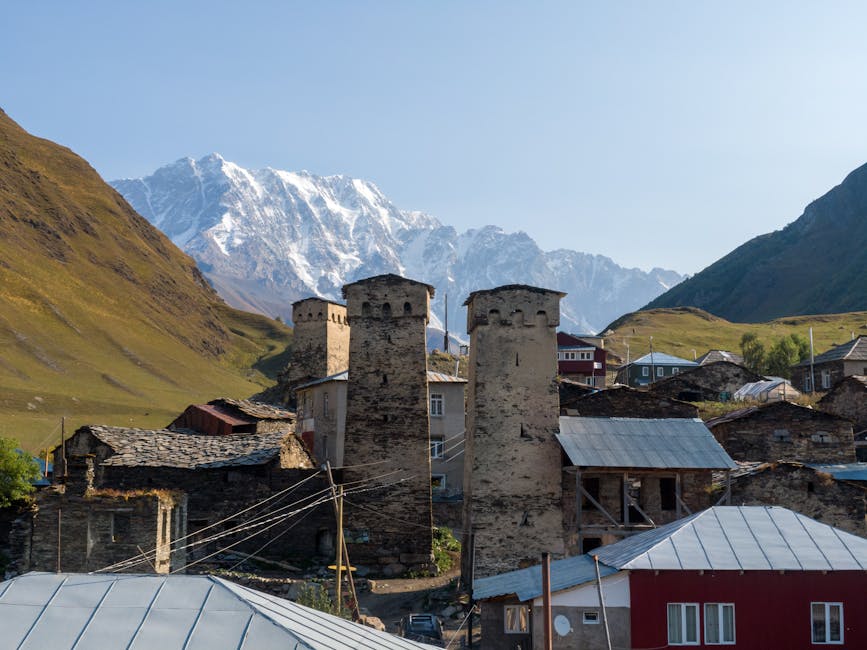
Tusheti is the Georgia that almost nobody gets to see — and frankly, that almost nobody can reach. Tucked into the northeastern corner of the country, accessible only via one of Europe's most dramatic (and slightly terrifying) mountain passes, this remote highland region exists in a kind of time warp. We're talking about ancient stone villages clinging to impossibly green hillsides, defensive towers that have stood for centuries, and a way of life that remains stubbornly traditional. The road itself — the Abano Pass — is open only from roughly June to October, depending on snowmelt and landslides, which means Tusheti gets about four months a year to interact with the outside world. The rest of the time, it's essentially cut off. Omalo serves as the de facto hub, a scattering of guesthouses and a jumping-off point for exploring villages like Dartlo, Diklo, and Shenako — each more photogenic than the last, with their slate-roofed houses and watchtowers rising against the dramatic peaks of the Greater Caucasus. This isn't a place you casually swing through. Getting here requires commitment: a bone-rattling 4WD journey from Alvani or Telavi (a few hours from Tbilisi), usually shared with other travellers and a driver who knows every hairpin turn by heart. The drive alone — switchbacks carved into sheer cliffs, river gorges plunging below, vistas that make you catch your breath — is half the point. What makes travellers who reach Tusheti feel like they've discovered something rare isn't just the landscape, though the scenery is genuinely breathtaking. It's the sense of earned remoteness, the fact that mass tourism can't touch a place this hard to reach. You'll hike through valleys dotted with wildflowers, share meals of khinkali and fresh cheese with locals who still practice transhumance shepherding, and sleep in guesthouses where hospitality feels personal, not performative. This is Europe's last wild frontier — not as marketing copy, but as lived reality.
Why It's Unbeaten
Tusheti remains Europe's best-kept secret because it requires genuine effort to reach—there's no direct highway, no airport nearby, and no glossy tourism infrastructure. Most visitors to Georgia stick to Tbilisi, wine country around Telavi, and the Black Sea coast. Tusheti sits in a remote mountainous pocket of the Caucasus, and the final approach demands a 4x4 vehicle over a high mountain pass that's only passable May through October. It's too inconvenient for casual tourists but exactly remote enough to have retained its traditional tower-house villages, shepherd culture, and authentic Tushetian identity almost untouched by mass tourism.
Georgia maintains a Level 1 'Exercise Normal Precautions' advisory; Tusheti has no specific security concerns.
Advisory based on knowledge as of 2024. Always check travel.state.gov for the most current information.
Who Is This Trip For?
Recommended age range: Adults 16–70 (experienced hikers with mountain fitness)
Ages Adults 16–70 (experienced hikers with mountain fitness)
✓ Experienced independent hikers
✓ Mountain culture enthusiasts
✓ Photographers seeking wilderness
✓ Travellers seeking genuine isolation
✓ Horseback trekkers
✓ Anthropology and heritage tourists
May be challenging outside ages Adults 16–70 (experienced hikers with mountain fitness)
✗ First-time backpackers
✗ Luxury-focused travellers
✗ Families with young children
✗ Those with mobility constraints
✗ Travellers on tight schedules
✗ People requiring constant connectivity
Getting There
Fly into Tbilisi (Shota Rustaveli Airport), then take a shared taxi or minibus from Tbilisi to Telavi or Alvani in the Kakheti region—roughly 2.5 hours and costs around 15 GEL. From Telavi or Alvani, you must arrange a 4x4 vehicle; there is no public transport on the final mountain road. The drive to Tusheti takes 3-4 hours depending on road conditions and which route you take through the mountain passes. Most travelers organize their 4x4 through guesthouses in Telavi or book through tour operators in advance. The road is rough, often unpaved, and genuinely requires high-clearance vehicles—don't attempt this in a regular car. Plan for at least one full day of travel from Tbilisi to your final destination in Tusheti.
Budget Guide
Budget
$45USD / day≈ 121 GEL
Budget travellers camp or stay in basic guesthouses (5–12 USD/night), cook simple meals or eat at village homestays (8–15 USD/day), and travel by shared jeep (10–20 USD per journey). No entrance fees or guides required if self-sufficient.
Midrange
$90USD / day≈ 242 GEL
Midrange visitors stay in comfortable guesthouses with meals included (25–40 USD/night), hire a private 4WD with driver (60–80 USD/day), and book guided hikes or horseback treks (20–30 USD). Some bottled water and basic supplies cost more in remote villages.
Splurge
$180USD / day≈ 484 GEL
Luxury travellers use premium guesthouses with private rooms and home-cooked meals (50–70 USD/night), hire private guides and 4WD (100–150 USD/day), and book multi-day trekking packages with all logistics arranged. Helicopter access (if available) or horseback expeditions add significant cost.
* USD amounts are approximate. Exchange rates refresh hourly via Frankfurter.
Visa & Entry
Most Western travellers (US, UK, EU citizens) enjoy visa-free entry to Georgia for up to one year, making Tusheti exceptionally accessible from an administrative standpoint. EU citizens can enter with a valid passport or ID card; US and UK citizens require a passport valid for at least three months beyond their stay. If you don't qualify for visa-free entry, Georgia offers a straightforward e-Visa system (https://www.geo.gov.ge/evisa) accessible online, typically approved within 1–3 business days. No unusual border requirements apply, though your passport will be stamped on entry; keep this documentation safe for your departure. Tusheti itself has no separate entry requirements — you access it as a domestic destination once in Georgia, though the road from Telavi or Alvani is rough and requires advance planning (4WD essential, local guides recommended).
US
Visa-freeUS passport holders do not require a visa for entry; passport must be valid for at least 3 months beyond intended stay.
UK
Visa-freeUK passport holders do not require a visa for entry; passport must be valid for at least 3 months beyond intended stay.
EU
Visa-freeEU citizens can enter with a valid passport or EU ID card; no visa required for up to 1 year stay.
Visa requirements are based on publicly available information and may have changed. Always confirm with the official embassy or consulate before travelling.
Where to Stay
Search for accommodation
The properties below are curated suggestions. You can also search directly on a booking platform.
Note on contact information: Where available, contact details are sourced from publicly available records and may be out of date.
Omalo is the main tourism hub and most guesthouses are family-run with basic but clean rooms and home-cooked meals included. You'll eat with the family, hear stories about Tushetian life, and have direct access to hiking and horse-trekking guides. This is the most authentic and affordable option.
Contact details unavailable — try searching online or a booking site.
Search "Guesthouses in Omalo (village homestays)" on Booking.com →Diklo is a smaller, more isolated ancient village with fewer tourists. Staying here puts you deeper into traditional Tusheti life and closer to remote hiking routes. Expect simpler facilities but more solitude and genuine cultural immersion.
Contact details unavailable — try searching online or a booking site.
Search "Diklo Village Guesthouses" on Booking.com →Shenako offers a middle ground between comfort and authenticity, with slightly better facilities than basic homestays but still embedded in village life. Good base for exploring the wider region and meeting locals involved in the tourism cooperative.
Contact details unavailable — try searching online or a booking site.
Search "Shenako Community Guesthouse" on Booking.com →A few newer guesthouses in Omalo offer better beds, private bathrooms, and more consistent hot water while maintaining traditional architecture. Worth the extra cost if creature comforts matter to you after a rough drive.
Contact details unavailable — try searching online or a booking site.
Search "Upgraded Omalo Lodges" on Booking.com →What to Do
This multi-day trek is the classic Tusheti experience—starting from Omalo, you cross high mountain passes into neighboring regions, passing ancient towers, shepherd camps, and untouched valleys. The views are legitimately world-class, and you'll likely see only a handful of other trekkers. Expect 4-6 days and serious elevation changes.
These villages are architectural time capsules with medieval stone defensive towers that once protected against raids. Wander the narrow lanes, photograph the towers at golden hour, and visit locals in their homes. Diklo and Shenako feel less touristy than Omalo and reward close exploration.
Hire a local guide and horse for day-long or multi-day treks through alpine meadows and past shepherd settlements. This is how Tushetians have crossed their mountains for centuries. You'll reach remote grazing areas where you can observe pastoral life directly and stop for meals cooked over open fires.
The gorge offers dramatic canyon hiking with river crossings and excellent day-walk options from Omalo. It's accessible without a guide, though hiring one adds context about local ecology and history. The walk takes 4-6 hours and rewards you with isolation and dramatic geology.
Tushetian shepherds spend summers in high-altitude camps making traditional cheese. Arrange visits through your guesthouse to watch the process, taste fresh cheese and whey, and understand how mountain communities sustain themselves. It's working life, not a performance.
The tower villages and surrounding mountains are genuinely photogenic, particularly in early morning light and golden hour. Bring good glass—the light on stone and landscape here is exceptional, and you'll have space to shoot without crowds.
Where to Eat
Tusheti's food reflects its isolation and pastoral heritage. Expect hearty mountain fare: bread baked in traditional stone ovens, fresh cheese (Tushetian khachapuri is excellent), mutton stews slow-cooked over wood fires, and foraged greens. Most visitors eat at their guesthouse, which is the right call—food is prepared fresh daily using local ingredients, and meals are social occasions with the family. Restaurant culture barely exists here; eating is about sustenance and hospitality, not menus. If you have dietary restrictions, mention them in advance when booking your guesthouse.
Lunch and dinner typically feature slow-cooked mutton, fresh khachapuri, local cheese, eggs, seasonal vegetables, and homemade bread. The food is simple, warming, and tastes like it came from the mountains—because it did. Eating with your host family is part of the experience.
Fresh cheese, whey, bread, and sometimes wild herbs cooked over an open fire. It's basic fuel food, but eating it at 2,000+ meters with shepherds who made it is unforgettable and tastes completely different from lowland versions.
Language & Culture
Official Language
Georgian
English Spoken
Basic
Simple tourist phrases only in hotels and main attractions — most locals speak no English
📱 Translation app strongly recommended
Cultural Tips
Tusheti is inhabited by the Tusheti people, who maintain strong traditions of hospitality, highland pastoralism, and clan-based community life. Respect for elders and acceptance of local customs (removing shoes indoors, participating in shared meals) is deeply valued. Photography of people should always be requested first; some older villagers may decline for cultural or religious reasons. Georgian Orthodox Christianity influences daily life, though Tusheti's remoteness means worship is more community-centred than formal.
Useful Phrases
Safety & Health
Georgia is a safe destination with a Level 1 US State Department advisory; Tusheti specifically has no security concerns for tourists. The region is remote and peaceful, with no violent crime reported. Local communities are welcoming to visitors. Health risks are minimal but include altitude exposure (Tusheti ranges from 800–2,400 m), which may cause mild discomfort for unacclimatized travellers — take your time on arrival. Medical facilities are absent in Tusheti; the nearest hospital is in Telavi (2–3 hours by jeep). Ensure travel insurance covers mountain rescue and medical evacuation. Recommended vaccinations include routine immunizations, hepatitis A, and typhoid; malaria is not present at this elevation. Water from mountain springs is generally safe, but carrying a filtration system or purification tablets is prudent. Minor injuries and altitude-related ailments are best managed before travel or via telemedicine.
Best Time to Visit
The window is narrow: late May through September. Outside these months, high passes are blocked by snow, roads become impassable, and guesthouses close. Peak season is July-August, which brings the most tourists (still very few), warmest weather, and firmest ground conditions.
✓ Snow melts, roads open, wildflowers bloom across meadows, weather is generally stable, and you'll encounter fewer tourists than July-August. The light is clean and long-lasting.
✗ Some higher passes and trekking routes may still have snow patches. Weather can be unpredictable with sudden storms. Not all guesthouses are fully operational yet.
✓ Peak season with warmest, most stable weather and longest daylight. All accommodations and services are operational. Ideal for serious multi-day trekking. Shepherd camps are fully active and easier to visit.
✗ More tourists (though still a tiny number compared to other Georgian destinations). Accommodation books up in advance. Higher guesthouse prices.
✓ Summer crowds thin out, weather remains warm and mostly dry, and the fall light is exceptional—golden and clear. The landscape is still green. This is arguably the best month for photography and trekking.
✗ Weather becomes less predictable; storms can roll in quickly. Some guesthouses begin closing by late October. Days are noticeably shorter than mid-summer.
Honest Caveats
Tusheti is genuinely remote, and that comes with real friction. The road is awful—expect 3+ hours of bouncing around in a 4x4, and if you have motion sickness tendencies, this will be rough. Road conditions deteriorate after rain, and delays are normal. The season is short (May-October realistically); in winter, the passes close completely and villages become cut off. Facilities are basic: most guesthouses have no WiFi, inconsistent electricity, and bathwater that's either cold or heated by wood fire on unpredictable schedules. If you need constant connectivity or modern comfort, reconsider. Tusheti also has no ATM—bring cash in GEL. Medical facilities don't exist; serious illness or injury means a long evacuation. The locals are genuinely warm but speak limited English; a guide or translator is essential unless you speak Georgian or Russian.
Difficulty Breakdown
Overall
6/10
Moderate
Language Barrieri
5/10
Moderate
Logisticsi
6/10
Moderate
Physical Demandi
5/10
Moderate
Infrastructurei
3/10
Easy
What This Means
Tusheti is Europe's most remote inhabited region, requiring serious self-reliance, mountain experience, and flexibility. The journey demands a 4WD hire, physical stamina for high-altitude trekking, Georgian language skills or a guide, and acceptance of primitive infrastructure. Weather, road conditions, and isolation mean plans must be adaptable. This is not a casual destination but rewards experienced, prepared travellers with untouched wilderness and authentic highland culture.
Nearby Destinations Worth Combining
Click any destination to see why it pairs well with Tusheti.
Location
Map data © OpenStreetMap contributors