Overview
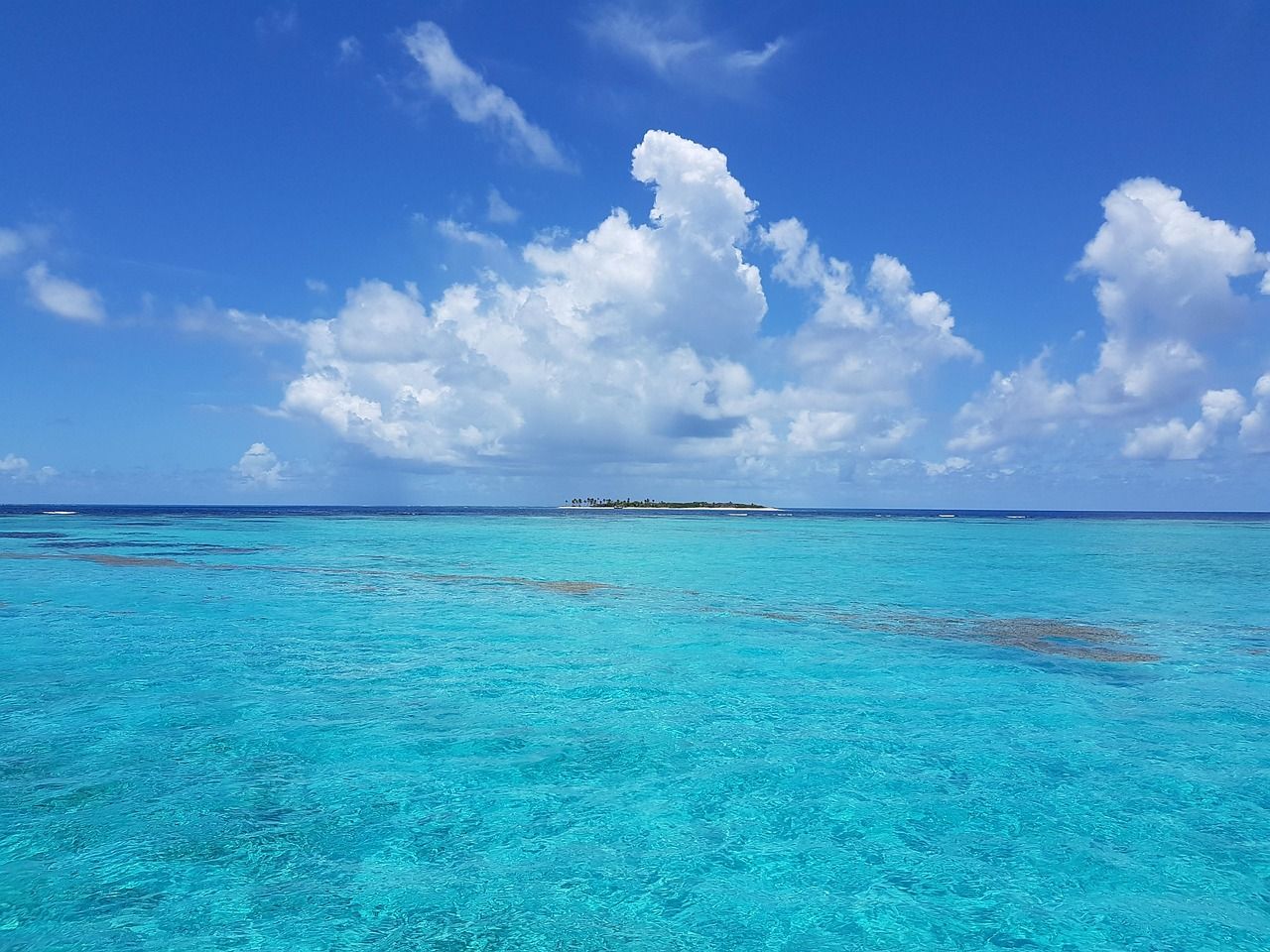
Tobago Cays isn't a single destination—it's a scattered handful of uninhabited islands floating in the southern Grenadines, ringed by a horseshoe reef that glows turquoise even from a distance. There are no hotels here, no restaurants, no roads. What you get instead is something increasingly rare: a protected marine park where the water is so clear you can count the scales on a parrotfish from your boat, and sea turtles paddle up to you like curious dogs. This is the Caribbean before it became a product. You'll need to arrange a boat to get here—most visitors come on day trips from Union Island or Mayreau, with outfits like Friendship Rose Cruise running full-day excursions. Once you arrive, the rhythm is simple: drop anchor, slip into the water, and follow the reef. The snorkeling is legitimately world-class—not the trampled, bleached stuff you find near cruise ports, but living coral gardens where hawksbill turtles graze and stingrays glide through channels in the sand. The protected status means the marine life hasn't learned to fear humans yet. What makes people feel lucky about Tobago Cays is the absence—no beach clubs blasting music, no jet skis carving up the silence, no crowds jostling for the same photo angle. You might share the anchorage with a dozen sailing yachts, but the five small cays and surrounding waters absorb everyone without effort. Pack a picnic, claim a patch of white sand on one of the islands, and spend the day moving between swimming, snorkeling, and doing absolutely nothing. It's the kind of place that reminds you why you started traveling in the first place.
Why It's Unbeaten
Tobago Cays sits in the shadow of more famous Caribbean destinations. Most travellers heading to Saint Vincent and the Grenadines either stop at Bequia or head straight to the Grenadines' bigger islands, missing this five-island marine park entirely. The Cays lack the resort infrastructure and marketing muscle of places like St. Lucia or Barbados—there are no hotels on the islands themselves, no direct ferries, and no cruise ships docking at a purpose-built terminal. This invisibility is precisely what preserves it: the waters here remain genuinely clear, the reefs relatively untouched, and the beaches uncrowded compared to the Caribbean mainstream.
Exercise normal precautions when traveling to Saint Vincent and the Grenadines.
Advisory based on knowledge as of 2026. Always check travel.state.gov for the most current information.
Who Is This Trip For?
Recommended age range: 25-65
Ages 25-65
✓ Sailing enthusiasts
✓ Snorkelers and divers
✓ Couples seeking romance
✓ Nature lovers
✓ Escape artists
May be challenging outside ages 25-65
✗ Budget backpackers
✗ Non-swimmers
✗ Those needing nightlife
✗ Travellers with mobility issues
✗ Families with very young children
Getting There
Fly into Argyle International Airport (SVD) on Saint Vincent—the main hub for the Grenadines. From North America or Europe, you'll likely connect through Barbados (Grantley Adams), which has daily flights from major US and UK cities; the hop to SVD takes roughly 45 minutes. Once on Saint Vincent, you'll need to arrange a boat transfer to Tobago Cays. This is not a casual taxi ride—boat operators typically charge $50–120 per person for a shared speedboat (30–45 minutes) or you can book a private charter through operators like Friendship Rose Cruise or local tour companies in Kingstown or the nearby island of Bequia. Book your boat the day before or coordinate through your accommodation on Saint Vincent. The final leg is where patience matters: seas can be rough, schedules slip, and weather occasionally forces cancellations.
Budget Guide
Budget
$60USD / day≈ 162 XCD
Budget accommodation in guesthouses or basic hotels, street food and local restaurants, public transportation, and free/low-cost attractions such as beaches and hiking.
Midrange
$120USD / day≈ 324 XCD
Mid-range hotel accommodations, restaurant dining at local establishments, occasional tours, water activities, and comfortable transportation options.
Splurge
$250USD / day≈ 675 XCD
Upscale resort accommodations, fine dining, private boat tours, water sports packages, and premium island excursions including the Tobago Cays.
* USD amounts are approximate. Exchange rates refresh hourly via Frankfurter.
Visa & Entry
United States citizens can enter Saint Vincent and the Grenadines visa-free and are permitted to stay for up to 30 days without a visa. British passport holders also enjoy visa-free entry for tourism purposes. European Union citizens similarly do not require a visa for stays of up to 30 days. All travelers should ensure their passport is valid for at least six months beyond their intended stay and should carry proof of return/onward travel and sufficient funds for their visit.
US
Visa-freePassport must be valid for at least 6 months; proof of return/onward travel required
Apply:Saint Vincent and the Grenadines Immigration
UK
Visa-freeBritish citizens do not require a visa for tourism; standard entry requirements apply
Apply:Saint Vincent and the Grenadines Immigration
EU
Visa-freeEU nationals enjoy visa-free entry for short-term tourism; standard entry requirements apply
Apply:Saint Vincent and the Grenadines Immigration
Visa requirements are based on publicly available information and may have changed. Always confirm with the official embassy or consulate before travelling.
Where to Stay
Search for accommodation
The properties below are curated suggestions. You can also search directly on a booking platform.
Note on contact information: Where available, contact details are sourced from publicly available records and may be out of date.
Located on Bequia, a 10-minute boat ride from Tobago Cays, this friendly waterfront property offers direct access to boat operators heading to the Cays. Rooms are simple but comfortable, the restaurant serves reliable local food, and staff can arrange your Cays excursion without fuss.
Budget-conscious choice with basic but clean rooms near Princess Margaret Beach. The owner can point you directly to the most reliable boat operators, and you'll save money to spend on actual activities.
Central location in the capital makes it easy to arrange mainland tours and boat charters. Not glamorous, but functional as a base for organizing your Cays day trip.
Contact details unavailable — try searching online or a booking site.
Search "Kingstown Guesthouse, Saint Vincent (Kingstown)" on Booking.com →Hillside property with ocean views and genuine hospitality. The owners are plugged into the local boat and dive community and can arrange bespoke Cays experiences, including overnight yacht charters if you want to sleep on the water.
What to Do
The five islands shelter pristine shallow reefs teeming with parrotfish, sergeant majors, and sea turtles. Visibility regularly hits 60+ feet. Book a guided snorkel tour through a local operator; most include lunch and visits to 2–3 reef sites. This is the main reason people come—and it delivers.
If you're certified, multiple operators run 1–2 tank dives at sites like Horseshoe Reef and Petit Tabac. The corals here are healthier than many Caribbean reefs, and the biodiversity is genuine. Even non-certified divers can do discovery dives with supervision.
Charter a small yacht or catamaran and spend a full day anchored off one of the uninhabited islands. Swim, snorkel, picnic, read. This is pure Caribbean stillness—no crowds, no schedule, just turquoise water and white sand.
A short, steep trail on Jamesby offers views of all five islands and the reef system. Takes 20–30 minutes and rewards you with perspective on the marine park's geography. Best done early morning before boat traffic and heat peak.
Book a late-afternoon sailing trip that leaves around 3pm and returns after sunset. You'll see the water shift from turquoise to deep blue, fewer boats means fewer people, and the light is exceptional for photographs.
Before heading out, stop at this small education center to understand the protected status of the reefs, local marine conservation efforts, and the species you're about to see. It's modest but genuinely informative.
Where to Eat
Saint Vincent and the Grenadines food is straightforward Caribbean—fresh fish, root vegetables, provisions (plantains, yams), and coconut-based curries. On Tobago Cays itself, there are no restaurants; most boat tours include lunch (usually grilled fish, rice, salad). On Bequia and Saint Vincent, where you'll be based, local spots serve reliable seafood and creole standards. Seek out places where locals eat, not tourist-facing restaurants. Fresh tropical fruit is everywhere and excellent—mangoes, papayas, and passion fruit are staples.
Simple open-air spot serving fresh seafood pizza, grilled fish, and cold beer. Owner Mac is a fixture—eat here for honest, well-cooked food and local banter. Lunch runs $12–18.
Order the grilled mahi-mahi or local snapper; eat it overlooking the harbor as boats come in. Prices are fair ($14–22 for mains), portions are generous, and the fish is caught that morning.
Language & Culture
Official Language
English
English Spoken
Excellent
English widely spoken throughout the country — no language barrier for most travellers
📱 No translation device needed
Cultural Tips
Vincentian culture is relaxed and friendly—'island time' applies, so patience with schedules is appreciated. Local boat operators selling fresh lobster and conch at the Cays are practicing a generations-old tradition; haggling gently is acceptable but respect their livelihood. Topless sunbathing is frowned upon, and modest dress is expected when visiting inhabited islands.
Useful Phrases
Safety & Health
The Tobago Cays carry a Level 1 advisory from the US State Department (Exercise Normal Precautions), reflecting the generally safe conditions throughout Saint Vincent and the Grenadines. The main safety considerations are water-related: strong currents can occur around the reef passages, and snorkelers should stay within designated areas. The Horseshoe Reef provides excellent protection but don't swim beyond the barrier reef. No specific vaccinations are required, though routine immunizations should be current. Hepatitis A and Typhoid are recommended if you'll be eating local food. The sun intensity at this latitude is extreme—reef-safe SPF 50+, rashguards, and hydration are essential. There's no freshwater or medical facilities on the Cays themselves, so bring sufficient water and any medications needed. The nearest medical facilities are on Union Island (basic clinic) with more comprehensive care requiring medical evacuation to St. Vincent or Barbados. Travel insurance with emergency evacuation coverage is strongly recommended for any boat-based Caribbean adventure. Bring a basic first aid kit, seasickness medication, and ensure your boat operator has safety equipment and communication devices.
Best Time to Visit
The dry season (December–May) offers the best weather and calmest seas. The wet season (June–November) brings occasional rain and rougher conditions but fewer tourists and lower prices.
✓ Calm seas, perfect snorkeling visibility (60+ feet), reliable sunshine, trade winds keep temperatures comfortable. This is peak season for good reason.
✗ Most crowded period; prices for accommodation and tours are highest; need to book boats and stays well in advance (2–4 weeks).
✓ Still decent weather, seas beginning to calm, fewer tourists than winter, prices start dropping. A good compromise if you want fewer crowds and lower costs.
✗ Occasional afternoon rain; seas can still be choppy early in the season.
✓ Lowest prices, fewest tourists, landscape lushest after rains. If you don't mind rain and occasional weather delays, you get authentic peace.
✗ Hurricane season risk (though direct hits on the Grenadines are rare); frequent afternoon showers; some boat operators reduce services; rougher seas make snorkeling less reliable.
Honest Caveats
Tobago Cays requires planning and flexibility—there is no walk-up tourism infrastructure here. You cannot simply arrive and book a boat; you must coordinate in advance or be prepared for delays. Seas between Saint Vincent and the Cays can be choppy, even rough, especially in the morning. If you're prone to seasickness, take medication before boarding. The islands have no shade, no facilities, no shops—bring sunscreen, water, and a hat, or you'll regret it. Weather can force cancellations; accept that your Cays day might be postponed. Accommodation on the islands themselves does not exist; you'll base yourself on Bequia or Saint Vincent and commute daily or overnight. This adds cost and complexity compared to island-based resorts. Finally, the Cays are protected marine park—fishing is restricted, anchoring is regulated, and rules are enforced. This preservation is good for the ecosystem but means less freedom than some boaters expect.
Difficulty Breakdown
Overall
6/10
Moderate
Language Barrieri
1/10
Very Easy
Logisticsi
7/10
Challenging
Physical Demandi
4/10
Easy
Infrastructurei
5/10
Moderate
What This Means
The Tobago Cays reward travelers willing to navigate the multi-step journey to reach them. The logistics of coordinating flights, ferries, and boat charters require planning, and the remote marine park setting means you're fully dependent on your vessel. Once there, however, the experience is surprisingly accessible—calm protected waters, excellent snorkeling for all levels, and no physical demands beyond swimming.
Nearby Destinations Worth Combining
Click any destination to see why it pairs well with Tobago Cays.
Location
Map data © OpenStreetMap contributors