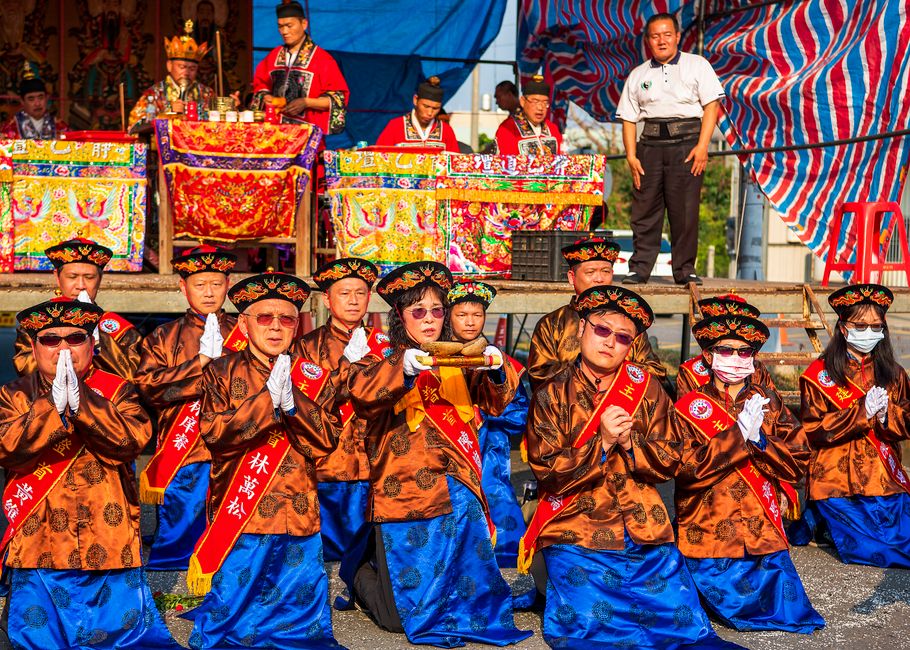
Taiwan's oldest city doesn't announce itself with skyscrapers or Instagram-famous landmarks.
Tainan earned its character slowly—through four centuries of Dutch traders, Ming loyalists, Qing officials, and Japanese colonizers—and today it wears that history like well-loved patina. While Taipei races forward, Tainan lingers over things: temple rituals, breakfast debates, the way banyan roots can swallow an entire warehouse. You'll find those roots at Anping Tree House, where nature has spent decades reclaiming a salt company's abandoned building, turning architecture into something half-ruin, half-forest.
The city organizes itself around three historical clusters—around Chihkan Tower, along Zhongzheng Road where Qing Dynasty walls once stood, and throughout Anping District where the Dutch built their first fort in 1624. Yes, there's an alarming number of scooters. Yes, much of it looks like gray buildings at first glance. But that's exactly why travelers who take the time here feel like they've cracked a code. Between the temples and century-old shophouses, you'll find a city that hasn't polished itself for outsiders, one that's far more interested in its own rhythms than in performing "authentic Taiwan" for visitors.
This is where modern Taiwan began, but Tainan hasn't let that history freeze it in amber. Baseball games at the Municipal Baseball Stadium feel like neighborhood parties where barbecue smoke mixes with coordinated chanting. The central park on GongYuan North Road fills with locals doing their own thing—not a tourist attraction, just a genuinely beautiful space that the city happens to have. Tainan offers that rarest of travel experiences: a place with deep historical significance that somehow never feels like a museum.
Photo by Klub Boks on Pexels
Why it's Unbeaten
Out of the main current, in the right way.
Tainan gets overlooked because it doesn't fit the Taiwan tourist postcard. There are no dramatic mountains, no hot springs, no neon-soaked night markets that photograph well for Instagram. Visitors typically skip straight from Taipei to Sun Moon Lake or Jiufen, missing what is actually Taiwan's oldest city and former capital. What Tainan offers instead is genuine historical depth—layered colonial architecture, working temples, and a food culture that locals fiercely protect. Because it draws mostly domestic tourists rather than international crowds, the city has preserved an authenticity that more famous destinations have lost to commercialization.
The main event
What you'll actually do in and around Tainan
01
Anping Tree House
An abandoned warehouse reclaimed by decades of banyan tree growth—aerial roots and branches have wrapped the structure into something between ruin and art installation. It's haunting and photogenic without feeling artificially prettified. Open daily 8:30–17:00; budget 45 minutes to an hour.
02
Explore the Chihkan Tower and surrounding temple cluster
This area clusters Tainan's most significant historical buildings from the Qing Dynasty period. Walk Zhongzheng Road slowly—you'll stumble on working temples where actual worship happens, not tourist performances. The architecture shifts between colonial, Qing, and Japanese occupation-era styles within a few blocks.
03
Sicao Green Tunnel kayak or boat ride
A narrow waterway where mangrove roots create a living tunnel overhead—genuinely atmospheric and quieter than similar attractions elsewhere in Taiwan. Best visited early morning to avoid crowds and heat. Around 1–2 hours total, accessible from Tainan's northern edge.
04
Tainan Park
A genuinely pleasant urban park near the city center with mature trees, ponds, and local residents exercising or relaxing. It's not a major attraction but a useful break from walking and scooter navigation. Good for an hour of peace.
05
Uni-President Lions baseball game
If the season aligns (March–June, July–September), catch a home game at Tainan Municipal Baseball Stadium. The atmosphere is genuinely fun—chanting, barbecues and beer in the stands, zero aggressive energy. Tickets are cheap (NT$150–300) and it's a window into how Taiwanese enjoy themselves.
06
Night market exploration
Tainan's night markets are less touristy than Taipei's but just as busy with locals. This is where you taste street food directly from vendors rather than mall food courts. Go hungry and prepared to point at things.
Taste of Tainan
Where to eat
Tainan legitimately earns its nickname 'City of Snacks'—this is where food matters, and locals are particular about it. The signature dish is oyster-based: try oyster omelette (蚵仔煎) and oyster thin noodles (蚵仔麵線), which taste notably different from northern Taiwan versions due to local ingredients and technique. Danzai noodles, a Tainan invention, are cheap bowls of thin noodles with a rich broth and toppings. The city is also known for high-quality beef, so beef soup is worth seeking out. Coffin toast (fried bread stuffed with various fillings) originated here. Don't eat at sit-down restaurants expecting Western service standards—the joy is street vendors and night markets where you order, eat standing or perched on a plastic stool, and move on. Expect to spend NT$50–150 per meal at vendors, NT$200–400 at casual restaurants.
Street vendors specializing in oyster omelette (蚵仔煎)Hunt for vendors in the historic district or near night markets rather than tourist-targeted restaurants. The real ones have a line of locals. Watch them cook—crispy exterior, custard-like interior studded with actual oysters. Order with simple hand gestures if your Mandarin is weak.
Danzai noodle stallThese appear throughout the city, particularly near the railway station and in working-class neighborhoods. Order a basic bowl (NT$30–50); it's humble food that Tainan people grew up eating. The broth is the point—savory, rich, utterly unfussy.
Beef soup restaurant in the city centerTainan's surrounding region produces excellent beef. Go to a basic, no-frills beef soup place where construction workers and elderly people eat breakfast. The soup is clear broth with tender beef slices and rice or noodles—warm, filling, often under NT$100.
02 / The honest read
Is Tainan your kind of trip?
Best for
+ Families with children
+ First-time Taiwan visitors
+ History and culture enthusiasts
+ Slow travellers and wanderers
+ Food lovers
+ Budget-conscious explorers
Think twice if you want
x Partygoers seeking nightlife (limited compared to Taipei/Kaohsiung)
x Beach-focused holidays (city-based, though Anping port offers coastal charm)
x Travellers sensitive to unpredictable loud noise (temple fireworks, military jets)
Effort and reward
Planning
2/5
Physical effort
2/5
Self-reliance
4/5
Scenery
4/5
Culture
5/5
Difficulty breakdown
What "3/10" actually means
Language barrier4/10
Mandarin is dominant; English is basic outside hotels and major tourist sites, so a translation app or phrasebook enhances comfort, though smiles and gestures often suffice.
Logistics3/10
Reliable local buses and taxis make navigation straightforward, though some signage outside tourist areas may lack English; train connections to nearby cities are efficient and frequent.
Physical demand2/10
Most attractions (temples, night markets, museums) are accessible via easy walking or short bus rides; no strenuous hiking or climbing required in the city itself.
Infrastructure2/10
Taiwan boasts excellent modern infrastructure—reliable public transport, good hospitals, abundant convenience stores, and solid accommodation at all budget levels.
Tainan is an accessible, family-friendly destination with minimal physical demands and straightforward logistics. Taiwan's excellent infrastructure, English signage in key areas, and efficient public transport mean travellers can navigate confidently. While language can be a minor challenge away from main tourist spots, the city's welcoming locals and ease of movement make it ideal for first-time visitors to Taiwan and anyone seeking authentic culture without extreme difficulty.
Read this before booking
The honest caveats
Tainan is genuinely difficult to navigate on foot. Sidewalks are privatized extensions of shop fronts, often blocked by merchandise or construction materials, forcing you onto roads shared with scooters and cars. This is not a poetic challenge—it's genuinely unsafe for anyone with mobility issues or unfamiliar with chaotic traffic patterns. Pedestrian crossings can be blocked by traffic. Unlike Taipei's orderly streets, Tainan requires constant vigilance and acceptance that you'll sometimes walk in the road. The city is also visually underwhelming at first glance—gray concrete buildings, dense scooter parking, no obvious touristic infrastructure. You need to actively seek out the charm; it doesn't announce itself. If you're expecting romantic old-town vibes, you'll find them only in pockets.
Safety & health
Tainan is exceptionally safe for tourists with negligible violent crime rates, consistent with Taiwan's overall security. However, road safety requires caution: the Bureau of Transportation records approximately 200 deaths and 20,000 injuries annually in Tainan from traffic incidents, so remain vigilant when crossing streets and use designated pedestrian crossings. Additionally, the city hosts Taiwan's greatest concentration of temple parades, resulting in frequent loud fireworks at unpredictable times (including daytime), and military fighter jets perform low passes up to 30 times daily—sensitive individuals should be aware. Standard vaccinations (MMR, tetanus, hepatitis A/B) are recommended but not mandatory. Taiwan has excellent modern hospitals; seek care at National Cheng Kung University Hospital or other major facilities for serious issues. Tap water is safe to drink. Air quality can fluctuate seasonally; those with respiratory sensitivity should check AQI forecasts.
Official advisoryLevel 1
Taiwan is a safe destination with no specific travel advisories for Tainan; normal safety precautions apply.
Advisories change. Verify with the US State Department before travelling. Last reviewed: 2026.
03 / Make it real
Plan the trip
October–November
Why go: Temperatures drop to 25–30°C, humidity decreases, sun is less brutal. Perfect walking weather. Domestic tourists are fewer than summer but still present.
Watch for: Early November marks the start of cooler season, so late October is the sweet spot—book accommodation in advance.
December–February (winter)
Why go: Coolest time of year, humidity is manageable, fewer crowds. January–February Golden Week brings domestic tourists but not the bus tours that swamp other destinations.
Watch for: Occasional rain. If you're from a cold climate, 15–20°C might feel chilly. Night markets are less vibrant with reduced foot traffic.
June–September (summer)
Why go: If you visit during Uni-President Lions baseball season (July–September), you can catch games. Definitely the most expensive and uncomfortable time.
Watch for: Heat regularly hits 35–38°C, humidity is oppressive, typhoons possible in late summer. You'll be dripping sweat within minutes of exiting air conditioning. Most tourists avoid this for good reason.
Getting there
Getting there
Tainan's Tainan Railway Station sits on the main Taiwan railway line, roughly 1.5 hours south of Taipei by direct express train (around NT$600–700). From Kaohsiung to the south, it's 45 minutes by train and much faster by direct bus. If you're flying in, Kaohsiung International Airport is 90 minutes away by bus or train—significantly closer than traveling from Taoyuan near Taipei. The final approach is straightforward: the railway station is a major transport hub where buses fan out across the city, and English-speaking staff at the tourist information booth can orient you immediately. Most major attractions are reachable by bus or a combination of bus and short taxi rides.
Visa & entry
Entry requirements
US citizens can enter Taiwan visa-free for up to 90 days with a valid passport that remains valid for the period of intended stay, plus a confirmed return or onward air ticket. UK and most EU citizens also enjoy visa-free entry for up to 90 days. As of October 1, 2025, all inbound travelers must complete the Taiwan Arrival Card (TWAC) online before arrival; the paper version has been phased out. Taiwan offers a straightforward, tourist-friendly entry process with no visa fees required for these nationalities.
PassportRequirementMax stayDetails
USVisa-free90 daysPassport must be valid for at least 90 days. TWAC (Taiwan Arrival Card) must be completed online as of October 1, 2025. Official portal
UKVisa-free90 daysUK citizens do not require a visa. TWAC (Taiwan Arrival Card) must be completed online as of October 1, 2025. Official portal
EUVisa-free90 daysMost EU citizens enjoy visa-free entry. TWAC (Taiwan Arrival Card) must be completed online as of October 1, 2025. Official portal
Requirements may change. Confirm with the relevant embassy or official immigration authority before booking.
Daily budget
What it costs once you're there
USD per person/day, double occupancy, excluding international flights (2026-06-16)
Budget$80Includes lodging $15, food $20, activities $25, local transport $20. Lodging anchored to Guest House Hamuya (Tainan Guest House). medium confidence
Midrange$175Includes lodging $30, food $40, activities $60, local transport $45. Lodging anchored to Accommodations near Tainan Railway Station. medium confidence
Splurge$330Includes lodging $40, food $70, activities $130, local transport $90. Lodging anchored to Heritage hotel near Chihkan Tower area. medium confidence
Base yourself well
Where to stay
Search live availability
Use the curated stays below as a starting point, then compare current inventory and prices.
A budget-friendly option in a local neighborhood, not a tourist strip. The location trades convenience for authenticity—you'll be living in a real Tainan street, among actual residents. Useful if you want to explore on foot once you understand the pedestrian chaos.
Mid-range hotel$60–100/night
Accommodations near Tainan Railway Station
Staying near the station removes navigation stress; buses to most attractions stop here. Aim for hotels within 5 minutes walk of the station entrance—they're central and functional rather than atmospheric, but practical for early starts.
Boutique/heritage hotel$80–150/night
Heritage hotel near Chihkan Tower area
The historic district around Chihkan Tower and Zhongzheng Road has a few mid-range hotels housed in restored colonial or traditional buildings. These put you within walking distance of temples and historical sites, even if sidewalk navigation remains tricky.
Language, useful phrases, and cultural notes +
Mandarin Chinese / English: Basic
Simple tourist phrases only in hotels and main attractions - most locals speak no English. Translation app strongly recommended
Tainan is the cultural heartland of Taiwan and deeply rooted in traditional Chinese customs—temples and religious processions are central to daily life, so approach sacred spaces with respect and follow local protocol (remove shoes, avoid pointing at altars). The local population is warm but primarily speaks Mandarin and Taiwanese; younger people and service staff understand basic English, but older locals may not. Tipping is not customary in Taiwan; instead, show appreciation through polite behaviour and a smile.
Hello你好Nǐ hǎo
Thank you謝謝Xièxiè
How much?多少錢?Duōshǎo qián?
Where is...?...在哪裡?...Zài nǎlǐ?
Excuse me對不起Duìbù qǐ
04 / Keep going
Nearby & beyond
1 hour by car/bus
Guanziling
One of Taiwan's premier hot spring destinations, perfect for relaxation and wellness after exploring Tainan's historical temples.
1 hour southeast by car
Fo Guang Shan Buddhist Monastery
Taiwan's largest and most impressive Buddhist monastery, offering serene gardens, architecture, and spiritual immersion just beyond Tainan.
45 minutes north by car
Dongshan Coffee Route
A scenic mountain drive lined with organic coffee farms and hillside cafés, ideal for a half-day excursion blending nature and local agriculture.
1 hour south by train
Kaohsiung
Taiwan's second-largest city and former harbour rival to Tainan, featuring modern art museums, night markets, and coastal attractions.
1.5 hours north by train
Chiayi
Gateway to the stunning Alishan mountain range and scenic narrow-gauge Alishan Forest Railway, perfect for a mountain getaway.
50 minutes by plane or ferry
Kinmen
A pair of strategic islands inextricably linked to mainland China, offering a fascinating counterpoint to Tainan's staunch Taiwanese identity and history.