Savai'i is the largest island in Samoa that most travelers never reach, and that's precisely what makes it extraordinary.
While Upolu hosts the airport and capital, Savai'i remains defiantly unhurried—a place where villages outnumber resorts, where the Alofaaga Blowholes shoot ocean spray 30 meters into the air with thunderous force, and where you can swim in the crystalline rock pools of Afu Aau Waterfall without another soul in sight. The island's volcanic landscape tells stories in solidified lava: the Sale'aula lava fields consumed entire villages in the early 1900s, leaving a haunting church ruin at Saleaula that now serves as both memorial and swimming hole where locals dive into tide pools formed by cooling magma.
The coastal road that circles the island—unpaved in stretches—threads through villages where daily life unfolds in open-sided fales. In Manase, on the north coast, you'll find a handful of beach fales where accommodation means sleeping on woven mats under a thatched roof, the sound of waves replacing alarm clocks. The village of Paia hosts one of the Pacific's most significant archaeological sites: the Pulemelei Mound, a massive stone pyramid older than Polynesian settlement that remains enigmatically unexplained and entirely unguarded—you'll likely explore it alone, guided only by a hand-painted sign.
What travelers remember most isn't any single sight but the accumulated weight of small encounters: sharing umu-cooked taro and palusami with a family after Sunday church service, watching fruit bats darken the evening sky above Tafua Peninsula, or realizing you've driven an hour without passing another rental car. Savai'i doesn't perform for visitors—it simply exists as one of the last Polynesian islands where traditional village governance and fa'a Samoa (the Samoan way) aren't tourism concepts but the actual rhythm of daily life. The hour-long ferry from Upolu isn't just transportation; it's a filter that separates those seeking 'Samoa the destination' from those ready to experience Samoa as it is.
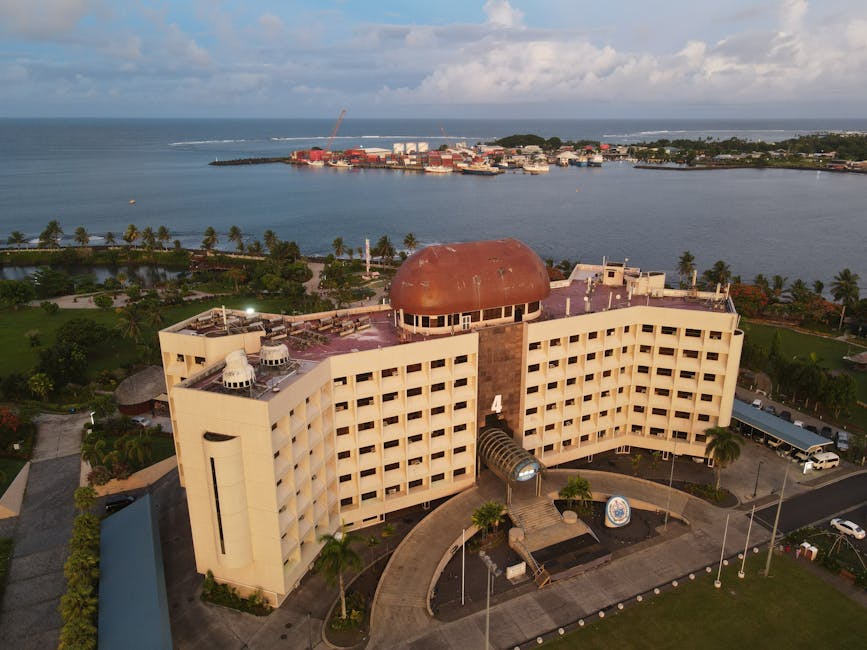
Photo by Tony Rios on Pexels
Why it's Unbeaten
Out of the main current, in the right way.
Savai'i receives fewer annual visitors than Upolu gets in a single cruise ship day. While Samoa as a nation attracts roughly 165,000 tourists yearly, estimates suggest fewer than 5,000 make it to Savai'i, and most of those are day-trippers from Upolu or Samoans visiting family. The reasons are structural: no international airport (the airstrip handles only inter-island propeller planes), virtually no hotel infrastructure beyond village beach accommodations, and a complete absence of the dining and entertainment facilities that mainstream tourists expect. The ferry schedule doesn't align well with international flight times, the island's circumference requires a rental car for any real exploration, and the cultural conservatism means that behavior acceptable on Upolu beaches—swimwear in villages, Sunday activities, loud groups—can cause genuine offense here. Most significantly, there's been little effort to market Savai'i internationally; tourism development has focused on Upolu, leaving this island to travelers willing to operate on village time without safety nets.
The main event
What you'll actually do in and around Savai'i
01
Afu Aau Waterfall hike
A relatively easy jungle trek (30–45 minutes) through native forest to a stunning freshwater waterfall and deep pool. The walk is shaded, the water is cold and clear, and you'll likely have the place to yourself. Bring minimal gear and wear shoes with grip—the rocks are slippery.
02
Alofaaga Blowholes
On the southern coast, dramatic lava formations channel seawater through underground chambers, sending spray 30+ metres into the air on calm days. It's raw geology, not polished tourism; visit at high tide and watch the power. Local guides often appear and can share stories, though the site needs no interpretation to be awe-inspiring.
03
Manase Beach village walk
Wander through this small village on the west coast, watch fishermen mend nets, sit with locals in shade, and absorb how everyday life actually works in Samoa. There's a small church, a few shops, and genuine hospitality if you greet people respectfully. No entry fee, no performance—just real.
04
Tafua Peninsula lava fields
Walk across otherworldly black lava landscape formed by eruptions a few centuries ago. Vegetation is slowly reclaiming the fields, creating a haunting, sculptural environment. Hire a local guide from nearby villages; they know the safest paths and can explain the geology and cultural significance.
05
Pe'ape'a cave (bat cave)
A sea cave on the north coast accessible by boat, inhabited by large fruit bats. Visit in late afternoon to watch thousands emerge at dusk. The cave itself is dramatic—towering rock formations and the sound of wings. A local boatman from a coastal village is necessary; ask your accommodation to arrange.
06
Stay in a village fale overnight
Some villages offer homestays or simple fale accommodations where you eat with the family, help with light tasks, and experience Sunday church or a Saturday umu (earth oven) feast. This requires advance arrangement through your guesthouse or a cultural tourism operator, but it's the closest thing to understanding Samoan life from the inside.
Taste of Savai'i
Where to eat
Savai'i's food scene is intentionally humble. You won't find restaurants on every corner; instead, you'll find small family-run places, village fales serving communal meals, and the chance to eat what locals actually cook at home. Samoan staples dominate: coconut-based curries, fresh fish, taro, palusami (taro leaves in coconut cream), and oka (raw fish in coconut). Most places don't have fixed menus—you eat what's available that day, often prepared to order. This unpredictability is part of the charm, though it requires patience and flexibility. Bring cash everywhere; card readers are rare. Sunday Umu feasts in villages are spectacular if you're invited or can arrange it through your accommodation.
Salelologa market vendorsThe port-side market has vendors selling fresh-cooked palusami, coconut bread, and grilled fish wrapped in banana leaves. Eat standing up, chat with locals, and grab lunch for $3–6. It's chaotic, authentic, and the best food value on the island.
Oasis Bar & Grill (Salelologa)One of the few sit-down restaurants near the port, serving fresh grilled fish, tropical fruit smoothies, and decent pizza. Not fancy, but reliable if you need a predictable meal with cold beer after ferry arrival. The owner is welcoming and can advise on island activities.
02 / The honest read
Is Savai'i your kind of trip?
Best for
+ Off-grid seekers
+ Cultural immersion travelers
+ Beach lovers
+ Nature photographers
+ Slow travelers
Think twice if you want
x Luxury resort seekers
x Travelers needing reliable wifi
x Those uncomfortable with basic facilities
x Party-focused travelers
Effort and reward
Planning
3/5
Physical effort
3/5
Self-reliance
4/5
Scenery
5/5
Culture
4/5
Difficulty breakdown
What "6/10" actually means
Language barrier4/10
English is widely understood, especially among younger Samoans and in tourism, though fluency varies in remote villages.
Logistics7/10
Reaching Savai'i requires a ferry from Upolu; local buses are infrequent with no fixed schedules, and car rental is the most practical option for exploring the island.
Physical demand5/10
Beach activities and swimming are accessible, but exploring lava fields, blowholes, and jungle waterfalls requires moderate fitness and sure-footedness on uneven terrain.
Infrastructure5/10
Roads are decent around the coast but can be rough inland; electricity is reliable but internet is slow; accommodation ranges from very basic to comfortable.
Savai'i rewards the patient, flexible traveler. The main challenges are logistical—limited public transport, the need to plan around ferry schedules, and basic infrastructure outside the main town. However, there are no extreme physical demands unless you seek them out, and the welcoming culture makes navigation easier than the remoteness suggests.
Read this before booking
The honest caveats
Savai'i rewards patience and punishes expectations. If you arrive wanting restaurant menus, reliable WiFi, or easy logistics, you'll be frustrated. Roads are rough in places, facilities are basic, and tourism infrastructure is genuinely minimal—by design. The island moves slowly; things close without notice, boats are sometimes delayed, and English isn't always widely spoken outside tourist areas. Dengue is present (though authorities report it's controlled), so bring good mosquito repellent and long sleeves for dusk. The rainy season brings real downpours and occasional cyclones. Some visitors find the lack of 'things to do' isolating rather than restful; if you need structured activities, tours, or nightlife, you'll be disappointed. The island is poor, and it shows in the infrastructure; expect basic accommodations and rustic conditions as the norm, not an exception.
Safety & health
Savai'i is remarkably safe with virtually no violent crime against tourists. The main concerns are natural hazards: strong ocean currents and riptides at certain beaches, slippery volcanic rock formations, and intense tropical sun. Always check with locals about safe swimming spots as conditions change seasonally. Cyclone season runs November to April, so monitor weather advisories during these months.
No specific vaccinations are required for Samoa, but ensure routine vaccinations are current. Hepatitis A and typhoid are recommended for most travelers. Dengue fever and occasional chikungunya cases occur, so bring strong insect repellent and consider long sleeves at dawn/dusk. Tap water in villages may not be potable—stick to bottled water.
Medical facilities on Savai'i are extremely basic, with only a small hospital in Tuasivi. For anything serious, evacuation to Apia (Upolu) or further to New Zealand is necessary. Comprehensive travel insurance with medical evacuation coverage is absolutely essential. Bring a well-stocked first aid kit and any prescription medications you need.
Official advisoryLevel 1
Samoa has a low crime rate; exercise normal security precautions and avoid walking alone after dark.
Advisories change. Verify with the US State Department before travelling. Last reviewed: 2025.
03 / Make it real
Plan the trip
Dry season (May–September)
Why go: Clearest skies, lowest humidity, fewer insects, most reliable for hiking and outdoor activities. Weather is most predictable for planning ferry trips and village visits.
Watch for: Slightly busier (though still quiet by global standards), some accommodation prices rise modestly, cooler water temperatures for swimming.
Wet season (November–March)
Why go: Lush greenery, dramatic storms and rainbows, fewest tourists, dramatic waterfall flows, lower accommodation rates. The island feels even more isolated and authentic.
Watch for: Heavy rain can make roads impassable, humidity is high, dengue risk is elevated (though managed), swimming conditions less ideal, and some activities become weather-dependent.
Shoulder months (April, October)
Why go: Transition weather—often dry with occasional showers. Fewer tourists than peak season, good balance of comfort and authenticity.
Watch for: Less predictable weather than pure dry season, still warmer than peak months.
Getting there
Getting there
You'll fly into Apia International Airport (APW) on Upolu first. From there, head to Mulifanua Wharf on Upolu's west coast (30–45 minutes by taxi, around $25–30). The car ferry to Savai'i runs multiple times daily; the crossing takes 1 hour and costs around $15–20 per person. Bring cash—cards aren't always reliable on Savai'i. Once you dock at Salelologa, Savai'i's main port, arrange transport with your accommodation or hire a driver for the day. The island is roughly 45 km long, and roads wind through villages and jungle; allow extra time for any journey. There's no public transport system worth relying on, so rental cars (around $50–70/day) or pre-arranged rides are essential.
Visa & entry
Entry requirements
US citizens do not require a visa to enter Samoa (Western Samoa) for stays up to 90 days. A visitor permit is typically granted upon arrival. Ensure your passport is valid for the duration of your stay. UK and EU citizens should verify current entry requirements, as visa policies may differ by nationality. Most visas for non-US passport holders are issued on arrival, though it is advisable to check with your airline or the relevant embassy before traveling.
PassportRequirementMax stayDetails
USVisa-free90 daysVisitor permit granted on arrival for US citizens. Passport must be valid for intended stay. Official portal
UKVisa on Arrival90 daysVisa issued on arrival. Confirm current requirements prior to travel.
EUVisa on Arrival90 daysVisa issued on arrival for most EU citizens. Requirements may vary by individual member state.
Requirements may change. Confirm with the relevant embassy or official immigration authority before booking.
Daily budget
What it costs once you're there
USD per person/day, double occupancy, excluding international flights (2026-06-16)
Budget$80Includes lodging $20, food $15, activities $25, local transport $20. Lodging anchored to Safua Lodge. medium confidence
Midrange$160Includes lodging $20, food $35, activities $60, local transport $45. Lodging anchored to Safua Lodge. medium confidence
Splurge$340Includes lodging $60, food $60, activities $130, local transport $90. Lodging anchored to Tanu Samoa Resort. medium confidence
Base yourself well
Where to stay
Search live availability
Use the curated stays below as a starting point, then compare current inventory and prices.
A simple, family-run guesthouse on the southern coast with basic but clean rooms and genuinely warm hosts. Meals are available if you ask in advance, and they'll point you toward swimming spots and village walks most tourists never find. The vibe is authentically local without feeling neglected.
Self-catering cottage$50–85/night
Vaie'e Cottage
A small, well-maintained fale (traditional open-sided house) with modern amenities tucked into a quiet inland location. Perfect if you want independence with a touch of tradition, and the owners are knowledgeable about hiking trails and cultural sites across the island.
Boutique resort$120–180/night
Tanu Samoa Resort
Savai'i's closest thing to a proper resort, but it still feels intimate and thoughtfully designed. Beachfront bungalows, a small restaurant, and staff who understand what slow travel means. It's comfortable without being impersonal, and they arrange good cultural tours.
Eco-lodge$65–110/night
Afu Aau Waterfall Eco-Lodge
Nestled near one of Samoa's best swimming holes, this lodge prioritizes sustainability and offers direct access to jungle hikes and the dramatic Afu Aau waterfall. The owners are passionate about preserving Savai'i's natural character and can arrange village stays or cultural exchanges.
Language, useful phrases, and cultural notes +
Samoan / English: Moderate
Some English spoken in tourist areas, hotels, and restaurants - limited elsewhere. Translation app useful as a backup
Fa'a Samoa (the Samoan way) governs daily life—respect for elders, chiefs, and village customs is paramount. Always ask permission before entering villages or swimming in coastal areas that may belong to families. Sunday is sacred; most activities cease for church and family, and swimming or loud behavior is considered disrespectful. Dress modestly when away from beaches, covering knees and shoulders, especially in villages.
HelloTalofatah-LOH-fah
Thank youFa'afetaifah-ah-feh-TYE
How much?E fia?eh FEE-ah
Where is...?O fea...?oh FAY-ah
Excuse meTuloutoo-LOH-oo
04 / Keep going
Nearby & beyond
4-5 hours by ferry + bus
Apia, Upolu
Samoa's vibrant capital with markets, Robert Louis Stevenson's museum, and international flight connections
5-6 hours via ferry
Lalomanu Beach, Upolu
Consistently ranked among the South Pacific's most beautiful beaches with iconic overwater fales
1-hour flight from Apia
American Samoa
Dramatic National Park landscapes, US territory with different culture, and world-class diving at Fagatele Bay