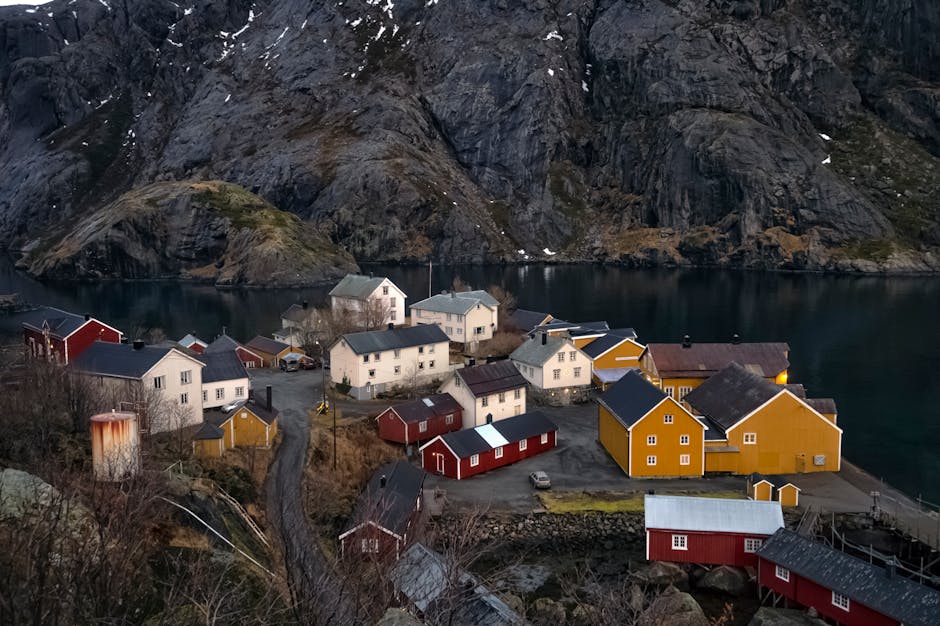
At 628 meters above sea level, this copper mining town survived three centuries of Arctic winters that should have killed it, and today its wooden buildings from the 1600s still house bakeries, metalworkers, and families going about ordinary Norwegian life. Walk down Kjerkgata or Bergmannsgata in February when temperatures hit -30°C and smoke curls from chimneys exactly as it did when miners returned from the shafts below Storwartz mountain. This isn't a reconstructed heritage village—it's a World Heritage Site where people actually live, and that distinction changes everything.
The food here reflects centuries of creative survival. At restaurants like Vertshuset Røros, you'll find rømmegrøt (sour cream porridge) and fenalår (dried leg of lamb) that locals still cure using methods born from necessity in a place where nothing grows easily. The town's smelthytta (smelting hut) ran for 333 years until 1977, and the slag heaps around town tell stories of fortunes made and lives spent in impossible conditions. Røros Church, completed in 1784, stands as one of Norway's largest wooden churches—its bells once regulated the entire town's rhythm, calling miners to work in darkness.
What makes Røros genuinely rare is its refusal to perform. During the Rørosmartnan winter fair each February, locals don't dress up for tourists—they're wearing the same wool and fur they'd wear anyway. The market, dating to a royal decree in 1853, happens because it always has, not because someone decided it would be charming. Summer brings entirely different magic: endless daylight over copper-colored hills, the Olavsgruva mine tours taking you 50 meters underground, and temperatures that actually allow outdoor life. Whether you come when it's frozen or thawed, Røros feels like a place that exists for itself first, and you're simply fortunate enough to witness it.
Photo by stein egil liland on Pexels
Why it's Unbeaten
Out of the main current, in the right way.
Norway's tourism machine runs on a well-worn track: Oslo, Bergen, the fjords, maybe Tromsø for northern lights. Røros sits in the mountainous interior, east of the dramatic coastal scenery that fills travel brochures, in a region most visitors simply fly over. There's no fjord, no dramatic cliff, no midnight sun cruise — just a remarkably intact mining town in a landscape of rolling fells and birch forest. It doesn't photograph as dramatically as Geirangerfjord, so it doesn't go viral.
The town also requires a deliberate detour. It's not on the way to anywhere else tourists typically go, sitting in a valley near the Swedish border that most travelers have no reason to pass through. Tour buses heading north take the coastal route. Cruise ships never come close. The result is a UNESCO World Heritage Site that receives a fraction of the visitors of Norway's coastal attractions — you'll share the cobblestones mostly with Norwegians and the occasional German hiking enthusiast.
For the traveler who makes the effort, this means something increasingly rare: a genuinely historic European town where you can wander without competing for space, where restaurant reservations are suggestions rather than necessities, and where the person selling you handmade woolens actually made them in the workshop behind the counter.
The main event
What you'll actually do in and around Røros
01
Walk the UNESCO-protected town center at dawn
Before anyone else wakes up, wander the cobbled streets lined with original 17th- and 18th-century buildings painted in deep reds and ochres. It's genuinely like stepping into a historical painting, except real people emerge from these buildings to buy coffee. The silence and light are extraordinary.
02
Explore Røros Kirke (the church)
A baroque church from 1784 with a remarkable interior—ornate woodwork, baroque decoration that rivals anything in Oslo, and a genuine sense of place. The cemetery tells stories of mining disasters and community. It's rarely crowded and deeply atmospheric.
03
Visit the Smelthytta (old smelting works) and mining museum
The mine operated for 330 years; this museum and the preserved industrial site show why. You get a real sense of how brutal and important copper mining was to Norway. The outdoor exhibitions are well-done without being over-interpreted. Winter visits are particularly eerie and beautiful.
04
Attend Rørosmartnan (Winter Fair) in February
This isn't a tourist trap—it's a genuine winter market with roots going back to 1854, a royal decree holding it in place. Concerts, food stalls serving traditional fare, locals buying practical winter goods alongside souvenirs. It's crowded, but with the right people—locals and genuine travelers, not coach parties.
05
Cross-country skiing in winter, hiking in summer on the surrounding plateau
Østerdalen offers exceptional Nordic skiing and summer mountain hiking. The landscape is open, rolling, and quiet—nothing as dramatic as the Alps, but deeply satisfying. Local ski clubs maintain groomed trails; trails are free and well-marked.
06
Eat 'Sugar & Smoke' at Thomasgaarden (seasonal)
A pop-up or semi-permanent event featuring traditional Norwegian curing, smoking, and preservation techniques demonstrated and served fresh. It's food heritage made tangible and delicious—the kind of hyperlocal experience you simply cannot replicate elsewhere.
Taste of Røros
Where to eat
Røros takes its food seriously without pretension. You'll find seasonal, foraged, and preserved ingredients—smoked fish, game, root vegetables—prepared with respect rather than fussiness. The food culture centers on what grows and what animals thrive in this inland, cold climate. Expect hearty, warming food rather than delicate plates. Coffee culture is strong; bakeries are genuinely good. The Winter Fair brings food vendors worth seeking out, and several restaurants source hyper-locally or grow their own. This isn't farm-to-table tourism speak—it's what people have always done here.
Røros Hotellet RestaurantServes proper, unpretentious Norwegian food using local ingredients. Game in season, well-prepared fish, decent wine list. It's where locals eat, not where tourists go to perform eating. Reliable and genuinely good without being showy.
Vertshuset Værste Venner (or similar local café/restaurant)Look for small, locally-run places serving traditional dishes and strong coffee. These spots change based on season and ownership, but are where real food happens. Ask your accommodation owner for current recommendations—they'll know which places are worth your time.
02 / The honest read
Is Røros your kind of trip?
Best for
+ History enthusiasts
+ Winter atmosphere seekers
+ Photography lovers
+ Slow travel advocates
+ Northern Lights hunters
Think twice if you want
x Beach holiday seekers
x Budget backpackers
x Those uncomfortable with extreme cold
x Nightlife enthusiasts
Effort and reward
Planning
2/5
Physical effort
2/5
Self-reliance
3/5
Scenery
4/5
Culture
5/5
Difficulty breakdown
What "3/10" actually means
Language barrier2/10
English is spoken fluently by nearly everyone, including tourism staff, shop owners, and locals.
Logistics4/10
Røros has good rail connections to Trondheim and Oslo, but trains run only a few times daily; advance planning for tours and winter activities is advisable.
Physical demand3/10
The compact UNESCO town center is easily walkable, though winter ice and snow require sturdy footwear and careful movement.
Infrastructure2/10
Excellent infrastructure with reliable utilities, well-maintained roads, quality accommodation, and strong mobile/internet coverage in town.
Røros is a surprisingly accessible off-beat destination. While its remote location in Norway's interior and extreme winter climate might seem daunting, excellent infrastructure, universal English proficiency, and a well-preserved tourism ecosystem make navigation straightforward. The main challenge is simply the cold and the need to book limited winter experiences in advance.
Read this before booking
The honest caveats
Røros is small—about 5,000 people in the town proper. This is wonderful for authenticity and quiet, but means restaurant options are limited and some close seasonally. Winter is phenomenally beautiful, but temperatures drop to -15°C to -20°C; if you're not prepared for serious cold, you'll be miserable. Summer is warm and pleasant (15-20°C), but the season is short; expect midnight light but also brief windows. The town can feel isolating if you're not comfortable with quiet and slowness—this isn't a place for constant activity or nightlife. Also be honest: you'll need a car to see much of Østerdalen properly, and driving in winter requires skill and caution. Some travelers find the town too quiet, or feel that 2-3 days is enough; that's fair. It's not a place that swings—it's steady, historical, and contemplative.
Safety & health
Norway is one of the safest countries in the world, and Røros exemplifies this with its tight-knit community of around 5,600 residents. Violent crime is virtually non-existent, and petty theft is rare. The main safety considerations are weather-related: winter temperatures can plummet to -40°C (-40°F), making proper cold-weather gear absolutely essential. Frostbite and hypothermia are real risks for unprepared travellers venturing outdoors in winter.
No special vaccinations are required for Norway. Tap water is excellent and safe to drink everywhere. Medical facilities in Røros include a health center (legevakt) for emergencies, but serious medical issues may require transfer to Trondheim (2.5 hours away). EU/EEA citizens should carry a European Health Insurance Card (EHIC) for reciprocal healthcare. All travellers should have comprehensive travel insurance, as Norway's healthcare costs for non-residents can be substantial.
Winter driving requires caution — studded or winter tires are mandatory from November to April, and mountain roads can close during heavy snowfall. If hiking in the surrounding wilderness, inform someone of your plans and carry emergency supplies. Mobile phone coverage can be patchy in remote areas of the Røros region.
Official advisoryLevel 1
Norway is a safe destination with no significant travel restrictions or security concerns for US, UK, or EU travelers.
Advisories change. Verify with the US State Department before travelling. Last reviewed: 2025.
03 / Make it real
Plan the trip
Winter (December–February)
Why go: Rørosmartnan in mid-February is extraordinary; the snow transforms the town into a fairy tale; skiing is excellent; the cold light is stunning; locals are active and visible. It feels like the town's true season.
Watch for: Seriously cold (-15 to -25°C is common); daylight is minimal (December-January gets only 4-5 hours); some accommodations/restaurants close; driving requires winter experience; not for cold-averse travelers.
Summer (June–August)
Why go: Midnight sun creates surreal daylight (21+ hours in June); warmth (15-20°C) is pleasant for hiking and walking; Østerdalen landscape opens up; outdoor activities proliferate; the town feels alive with visitors but not overrun.
Watch for: Short season means everything is packed into these months; some travelers find the constant light disorienting; fewer cultural events than winter; midges can be annoying in July.
Shoulder seasons (April–May, September–October)
Why go: Quieter than peak season; weather can be beautiful (mild, clear days); fewer tourists; lower prices; autumn colors in September are genuinely lovely.
Watch for: Unpredictable weather; some accommodations close; daylight hours shift rapidly; less activity and fewer events; snow can linger into April, creating slush rather than proper skiing.
Getting there
Getting there
Røros is inland in Trøndelag, roughly equidistant from Oslo and Trondheim. From Trondheim airport (TRD), it's about 2 hours by car or bus—the easiest option if you're flying in. From Oslo (OSL), you're looking at 6-7 hours by car or train; the train ride is genuinely scenic if you have time. There's also a direct bus connection from Oslo to Røros (roughly 6-7 hours), operated by regional carriers. The final stretch into town is straightforward—roads are excellent and well-maintained year-round, though winter driving requires proper tires and caution. If you're renting a car, do it; public transport exists but a car gives you flexibility to explore Østerdalen's broader landscape and smaller settlements nearby.
Visa & entry
Entry requirements
US, UK, and EU citizens do not require a visa to enter Norway. As a Schengen Area member state, Norway allows visa-free entry for up to 90 days within a 180-day period for tourism, business, or visiting purposes. Citizens of these regions can travel freely with a valid passport (US/UK) or national ID card (EU). No advance visa application is necessary, though standard border controls apply.
PassportRequirementMax stayDetails
USVisa-free90 days (within 180 days)Valid US passport required. No visa application needed for tourism/business. Official portal
UKVisa-free90 days (within 180 days)Valid UK passport required. No visa application needed for tourism/business. Official portal
EUVisa-free90 days (within 180 days)EU/EEA citizens may use national ID card or passport. No visa required for Schengen area. Official portal
Requirements may change. Confirm with the relevant embassy or official immigration authority before booking.
Daily budget
What it costs once you're there
USD per person/day, double occupancy, excluding international flights (2026-06-16)
Budget$90Includes lodging $35, food $20, activities $25, local transport $10. Lodging anchored to Peder Hiorts Gate Bed & Breakfast. medium confidence
Midrange$180Includes lodging $60, food $40, activities $60, local transport $20. Lodging anchored to Røros Hotellet. medium confidence
Splurge$310Includes lodging $60, food $70, activities $130, local transport $50. Lodging anchored to Røros Hotellet. medium confidence
Base yourself well
Where to stay
Search live availability
Use the curated stays below as a starting point, then compare current inventory and prices.
A proper old-school hotel in a preserved 18th-century building right in the center of town. Character-filled rooms, genuinely good breakfast, and the kind of place where locals eat dinner. It's not luxury, but it's authentic and perfectly positioned for exploring on foot.
Guesthouse$80–120/night
Bergmanns Bolighus
A smaller, family-run guesthouse in a traditional building with fewer rooms and more personality. The owners are knowledgeable about the town and can point you toward things the guidebooks miss. Good value and a genuinely cozy atmosphere.
B&B in a heritage building$70–100/night
Peder Hiorts Gate Bed & Breakfast
Simple, clean rooms in a converted historic house. Budget-friendly without feeling cheap. You get local knowledge and the kind of breakfast that sustains you through a day of walking—no pretense, just solid Scandinavian hospitality.
Mountain cabin cluster$90–140/night
Troll Hyttene (nearby, Haltdalen)
Just outside Røros proper, these rustic cabins offer a quieter base if you want more nature and fewer people. Good for winter skiing access and summer hiking. You'll need a car, but the solitude is worth it.
Language, useful phrases, and cultural notes +
Norwegian / English: Excellent
English widely spoken throughout the country - no language barrier for most travellers. No translation device needed
Norwegians value personal space and may seem reserved initially, but are genuinely helpful when approached. The concept of 'friluftsliv' (open-air living) is central to Norwegian culture — embrace outdoor activities regardless of weather. Punctuality is important, and shoes are always removed when entering homes. Røros has strong mining heritage traditions, so showing interest in local history is appreciated.
HelloHeihay
Thank youTakktahk
How much?Hvor mye?voor MEE-eh
Where is...?Hvor er...?voor air
Excuse meUnnskyldOON-shild
04 / Keep going
Nearby & beyond
2.5 hours by train or car
Trondheim
Norway's third-largest city with the magnificent Nidaros Cathedral, vibrant food scene, and gateway to further northern adventures
1.5 hours by car
Femundsmarka National Park
Vast wilderness of ancient forests, pristine lakes, and Norway's largest reindeer herds — perfect for true backcountry exploration
2 hours by car
Östersund, Sweden
Charming Swedish lakeside town with monster legends, excellent museums, and a different Scandinavian perspective just across the border