Overview
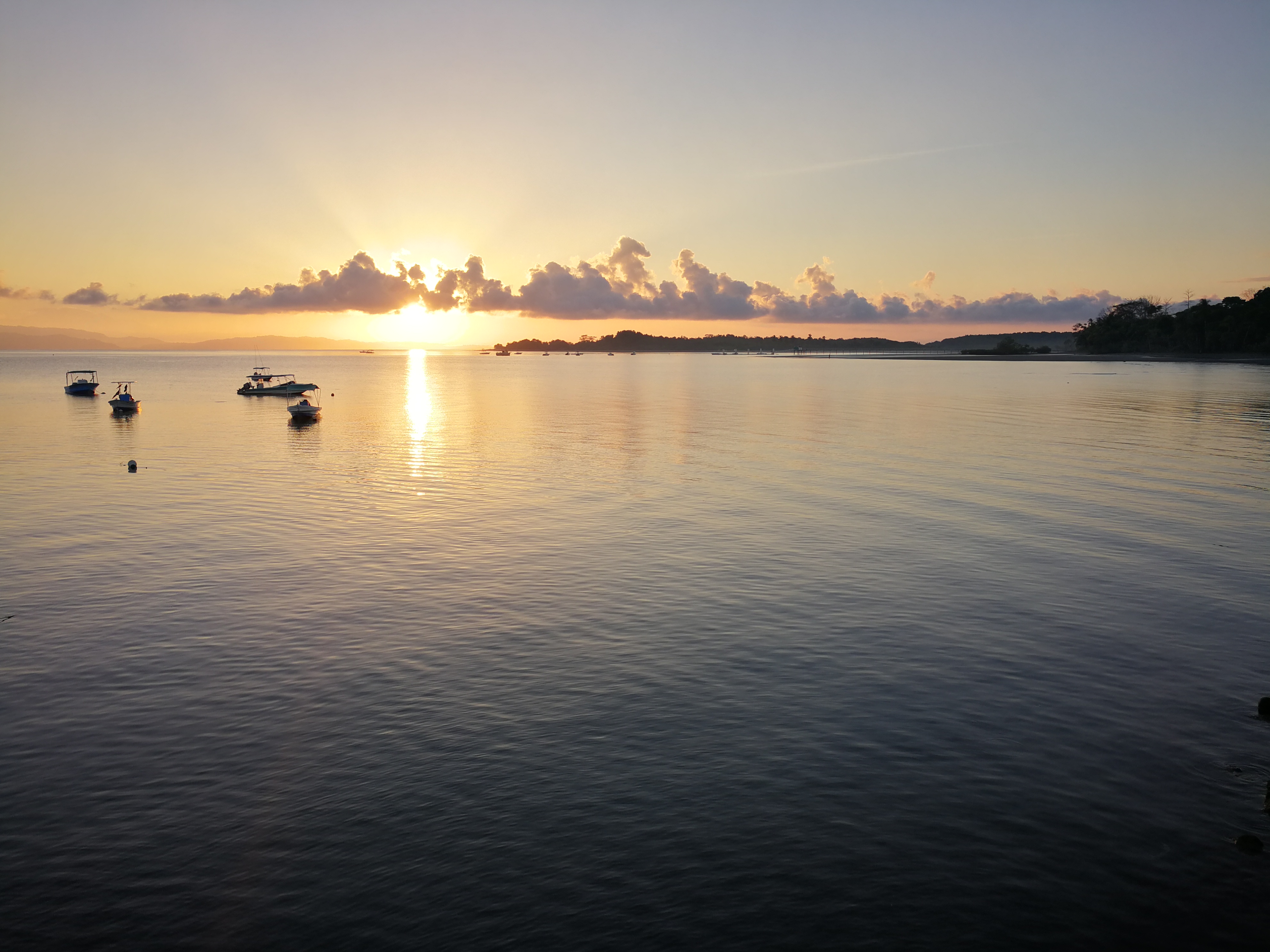
Puerto Jiménez doesn't pretend to be anything other than what it is: a sweltering, functional outpost on Costa Rica's remote Osa Peninsula where the jungle presses right up against civilization. This is the real gateway to Corcovado National Park—one of the most biodiverse places on the planet—and unlike the polished beach towns up north, Puerto Jiménez still feels like a working town that happens to host travelers rather than exist for them. You'll share the dusty streets with locals grabbing groceries, not tour groups following umbrella-wielding guides. What makes this place special is its position as the jumping-off point to something truly wild. Corcovado isn't a theme park version of rainforest—it's the dense, sweaty, magnificent real thing, where jaguars still roam and scarlet macaws shriek overhead. The town itself offers simple pleasures: kayaking through mangroves where the roots twist like sculptures, pristine beaches you might have entirely to yourself, and no-frills restaurants serving proper Costa Rican food without the tourist markup. The heat and humidity here are relentless—this is genuinely one of the hottest corners of Costa Rica—so you'll understand quickly why everything moves at a deliberate pace. Travelers who make it here tend to feel like they've earned something. It's not the easiest place to reach, and the accommodations lean toward basic rather than boutique. But that's precisely the filter that keeps the crowds in Manuel Antonio while you're watching dolphins in the Golfo Dulce or hiking into primary rainforest that National Geographic called "the most biologically intense place on Earth." Puerto Jiménez is for people who want their nature raw and their travel experience unfiltered—no resort buffer between you and the real Costa Rica.
Why It's Unbeaten
Puerto Jiménez sits in the shadow of Costa Rica's more famous coastal destinations—Manuel Antonio and Uvita pull most of the package-tour traffic, while the Central Valley's cloud forests dominate the backpacker circuit. Most visitors to Costa Rica never make it to the Osa Peninsula at all. What they're missing is the gateway to Corcovado National Park, one of the planet's most biodiverse places, and a genuinely frontier-feeling town that hasn't been smoothed into a tourist resort. Puerto Jiménez remains working and functional—a real port town where locals outnumber visitors, fishing boats still operate from the beach, and you'll eat where construction workers eat. It's the difference between visiting Costa Rica and actually exploring it.
Exercise Increased Caution in Costa Rica due to rising crime rates including armed robbery, burglary, and assault, particularly in certain areas.
Advisory based on knowledge as of 2023. Always check travel.state.gov for the most current information.
Who Is This Trip For?
Recommended age range: Ages 16–70 (younger travellers should be experienced hikers; older travellers should have solid fitness)
Ages Ages 16–70 (younger travellers should be experienced hikers; older travellers should have solid fitness)
✓ Adventure and expedition travellers
✓ Wildlife enthusiasts and birdwatchers
✓ Experienced solo and small-group hikers
✓ Nature photographers
✓ Eco-lodge and off-grid explorers
✓ Corcovado seekers
May be challenging outside ages Ages 16–70 (younger travellers should be experienced hikers; older travellers should have solid fitness)
✗ Package tourists and comfort-focused travellers
✗ Families with young children
✗ Travellers with mobility limitations
✗ Those seeking nightlife or urban attractions
✗ Budget backpackers uncomfortable with basic facilities
Getting There
Fly into San José (Juan Santamaría International Airport) and connect via domestic carrier to Puerto Jiménez airstrip—this is the fastest option (roughly 2.5 hours total including connections). Sansa and Nature Air offer regular flights; book ahead in green season. Overland from Uvita or Manuel Antonio takes 6–8 hours by rental car on partially unpaved roads through the Costanera Highway, doable but slow and occasionally rough. From Golfito (the larger southern port), it's a 1.5-hour boat ride. The final approach—whether by air or road—feels genuinely remote: there's no highway approach, no tourist corridor. Bring cash; ATMs exist but aren't always reliable, and few places take cards.
Budget Guide
Budget
$50USD / day≈ 22,990 CRC
Budget accommodation in hostels or basic guesthouses, street food and local restaurants, local transport, and free or low-cost activities.
Midrange
$110USD / day≈ 50,578 CRC
Mid-range hotel stays, meals at tourist restaurants, guided tours, car rentals, and recreational activities.
Splurge
$220USD / day≈ 101,155 CRC
High-end eco-lodges and resorts, fine dining, private tours and guides, adventure activities, and premium beachfront accommodations.
* USD amounts are approximate. Exchange rates refresh hourly via Frankfurter.
Visa & Entry
US, UK, and EU citizens do not require a visa to enter Costa Rica and can stay visa-free for up to 90 days. Residents of the US, Canada, EU, Schengen countries, Iceland, Norway, and Switzerland are exempt from visa requirements. Your passport must be valid for at least 6 months from your date of entry. US citizens should note that misusing tourist status to live in Costa Rica can result in deportation and entry bans.
US
Visa-freeUS residents are visa-exempt. Passport must be valid for at least 6 months from entry date.
Apply:Costa Rican Immigration
UK
Visa-freeUK residents are visa-exempt. Passport must be valid for at least 6 months from entry date.
Apply:Costa Rican Immigration
EU
Visa-freeEU residents are visa-exempt. Passport must be valid for at least 6 months from entry date.
Apply:Costa Rican Immigration
Visa requirements are based on publicly available information and may have changed. Always confirm with the official embassy or consulate before travelling.
Where to Stay
Search for accommodation
The properties below are curated suggestions. You can also search directly on a booking platform.
Note on contact information: Where available, contact details are sourced from publicly available records and may be out of date.
Mentioned in local guides as a solid base for Corcovado access. It sits close enough to the beach for easy transport to the park entrance while offering more comfort than basic hostels. Good for solo travellers or small groups planning multi-day treks.
Contact details unavailable — try searching online or a booking site.
Search "Corcovado Beach Lodge" on Booking.com →Puerto Jiménez has simple, locally-run guesthouses within walking distance of the main street, restaurants, and boats. These are the authentic stay—family-run, no frills, but perfectly adequate. You'll hear genuine local conversation and get accurate beta on current conditions.
Contact details unavailable — try searching online or a booking site.
Search "Local guesthouse in town centre" on Booking.com →Some property owners rent basic beach cabins with kitchenettes. These work well for longer stays and give you flexibility to cook local ingredients from the market. Isolation is the appeal—you're genuinely on the edge of things.
Contact details unavailable — try searching online or a booking site.
Search "Beachfront cabin rental" on Booking.com →What to Do
The primary reason people come. This is where you'll see jaguars, tapirs, scarlet macaws, and pristine rainforest rarely seen by casual tourists. Most people do 2–4 day hikes from Puerto Jiménez as the entry point; hiring a local guide is essential—they're skilled wildlife spotters and navigate the park's trails. This is strenuous, muddy, and rewarding in ways most national parks aren't.
If you don't have time for a multi-day trek, a full-day guided tour from Puerto Jiménez gets you into the park's core biodiversity zones. You'll see less wildlife than overnight hikers but still experience genuine rainforest. Depart early, bring plenty of water and insect repellent, and expect mud.
Paddle through the mangrove channels around Puerto Jiménez itself. This is easier than jungle trekking, offers decent wildlife spotting (herons, crocodiles, monkeys in the canopy), and works for mixed fitness levels. Local guides know which channels are worth paddling.
The beach in town is functional rather than postcard-perfect, but if you want to decompress between hikes or just soak up the heat and humidity, it's right there. Water is warm; currents can be strong. Locals use it; tourists aren't the main clientele.
Private boat tours from Puerto Jiménez venture into the Gulf of Dulce, where spinner dolphins and humpback whales appear seasonally. Tours are typically half-day; success depends on season and luck. Best booked through local operators.
Walk the main street, visit the market, talk to fishermen, eat where workers eat. Puerto Jiménez's appeal is partly that it's unglamorous—you're seeing real rural Costa Rica, not a curated experience. This isn't an 'activity' in the tourism sense; it's context.
Where to Eat
Puerto Jiménez serves simple, honest local Costa Rican cuisine—mostly rice, beans, fresh fish, and plantains. Restaurants are small, casual, and inexpensive; don't expect craft cocktails or fusion cuisine. What you get is what locals eat: breakfast casados (set meals), fresh ceviche, and grilled fish at lunch. The real food story is the market, where you can buy fish straight from boats, tropical fruit, and vegetables to cook in a cabin if you're staying that way. Eating out is functional; eating well requires engaging with the place.
Seek out the unmarked sodas near the beach where fishing crews eat breakfast. Order fish with rice and beans, fresh fruit juice, and coffee. Budget $5–8 for a full meal. These places are cheap, authentic, and you'll eat what locals eat.
If the boats came in that morning, ceviche is available for lunch. It's the best seafood value in town and genuinely fresh. Eat it at a small wooden table, squeeze lime, add hot sauce. This is Puerto Jiménez's signature meal.
Language & Culture
Official Language
Spanish
English Spoken
Moderate
Some English spoken in tourist areas, hotels, and restaurants — limited elsewhere
📱 Translation app useful as a backup
Cultural Tips
Costa Ricans value politeness and patience; the phrase 'Pura Vida' (pure life) reflects a laid-back, friendly ethos—use it liberally. Tipping is not mandatory but 10% is appreciated in restaurants. Respect for nature and environmental conservation is deeply embedded in local culture; do not litter, stay on marked trails, and do not feed wildlife.
Useful Phrases
Safety & Health
Costa Rica holds a Level 2 US State Department advisory (Exercise Increased Caution), primarily due to petty crime in urban areas; Puerto Jiménez itself is a small, quiet town with minimal violent crime, though petty theft and opportunistic robberies occur countrywide. Avoid flashy displays of wealth, do not resist robbery attempts, and stay aware of surroundings, especially after dark. Medical facilities in Puerto Jiménez are basic; serious emergencies require evacuation to San José or Panama, making travel insurance with evacuation coverage essential. Yellow fever, dengue, chikungunya, and malaria are present in coastal and lowland regions; antimalarial medication is recommended for travel to the Osa Peninsula. Vaccinations for typhoid and hepatitis A are advisable. The region is humid and hot (27–32°C year-round); dehydration, heat exhaustion, and fungal infections are common risks. Caving activities in Costa Rica carry a documented histoplasmosis risk; avoid entering caves unless with trained, certified guides.
Best Time to Visit
The dry season (December–April) is most reliable for Corcovado hikes and wildlife spotting, but Puerto Jiménez is warm year-round. Green season (May–November) brings heavy rains that can wash out trails and complicate park access, though fewer tourists and lower prices appeal to some travellers.
✓ Reliable weather for multi-day Corcovado treks, trails in good condition, best wildlife spotting (less rain means more animal visibility), fewer tourists than peak months. January–March is peak but still quieter than Caribbean resorts.
✗ Higher prices, more crowded on weekends, hotter and more intense sun—bring serious sunscreen and hydration
✓ Lush scenery, lower prices, fewer tourists, less crowded park access, dramatic rainfall and storms are genuinely beautiful. August–September can see temporary tourist dips.
✗ Heavy afternoon rains can wash out trails, Corcovado park occasionally closes sections, humidity peaks, insect activity is highest—dengue and other mosquito-borne illnesses are a real consideration
Honest Caveats
Puerto Jiménez is hot, humid, and can feel claustrophobic if you're not prepared for genuine remoteness. It's one of the hottest, most humid areas in Costa Rica—even air-conditioned rooms feel sticky. The town has limited infrastructure: ATMs aren't always stocked, some services shut down in low season, and if you need medical care beyond basic first aid, you're looking at a flight out. Internet is spotty. Accommodation is functional but rarely luxurious, even at higher price points. If you need creature comforts or constant entertainment, you'll be disappointed. The road in is slow and unpaved in sections; getting there takes patience.
Difficulty Breakdown
Overall
8/10
Challenging
Language Barrieri
6/10
Moderate
Logisticsi
8/10
Challenging
Physical Demandi
7/10
Challenging
Infrastructurei
6/10
Moderate
What This Means
Puerto Jiménez is a genuinely remote, challenging destination for adventurous travellers. The combination of isolation, difficult road and water access, rainforest hazards (wildlife, insects, river crossings, heat stress), limited infrastructure, and logistical complexity makes it a serious undertaking. This is not a comfortable backpacker destination—it requires flexibility, fitness, planning, and acceptance of rustic conditions. The primary draw—Corcovado National Park—demands multi-day hiking and technical expedition skills. Appropriate for experienced travellers, naturalists, and those comfortable with genuine discomfort.
Nearby Destinations Worth Combining
Click any destination to see why it pairs well with Puerto Jiménez.
Location
Map data © OpenStreetMap contributors