Overview
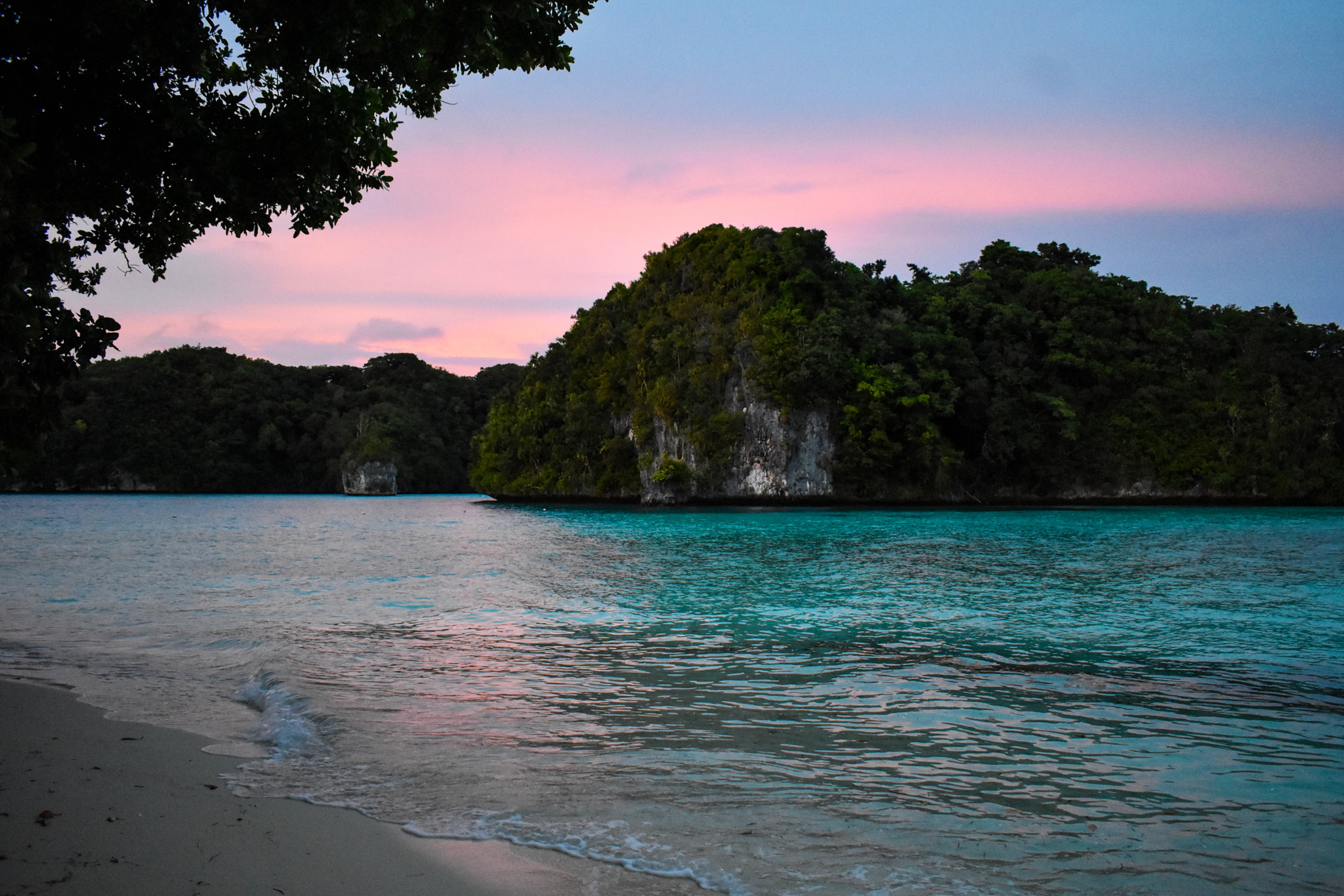
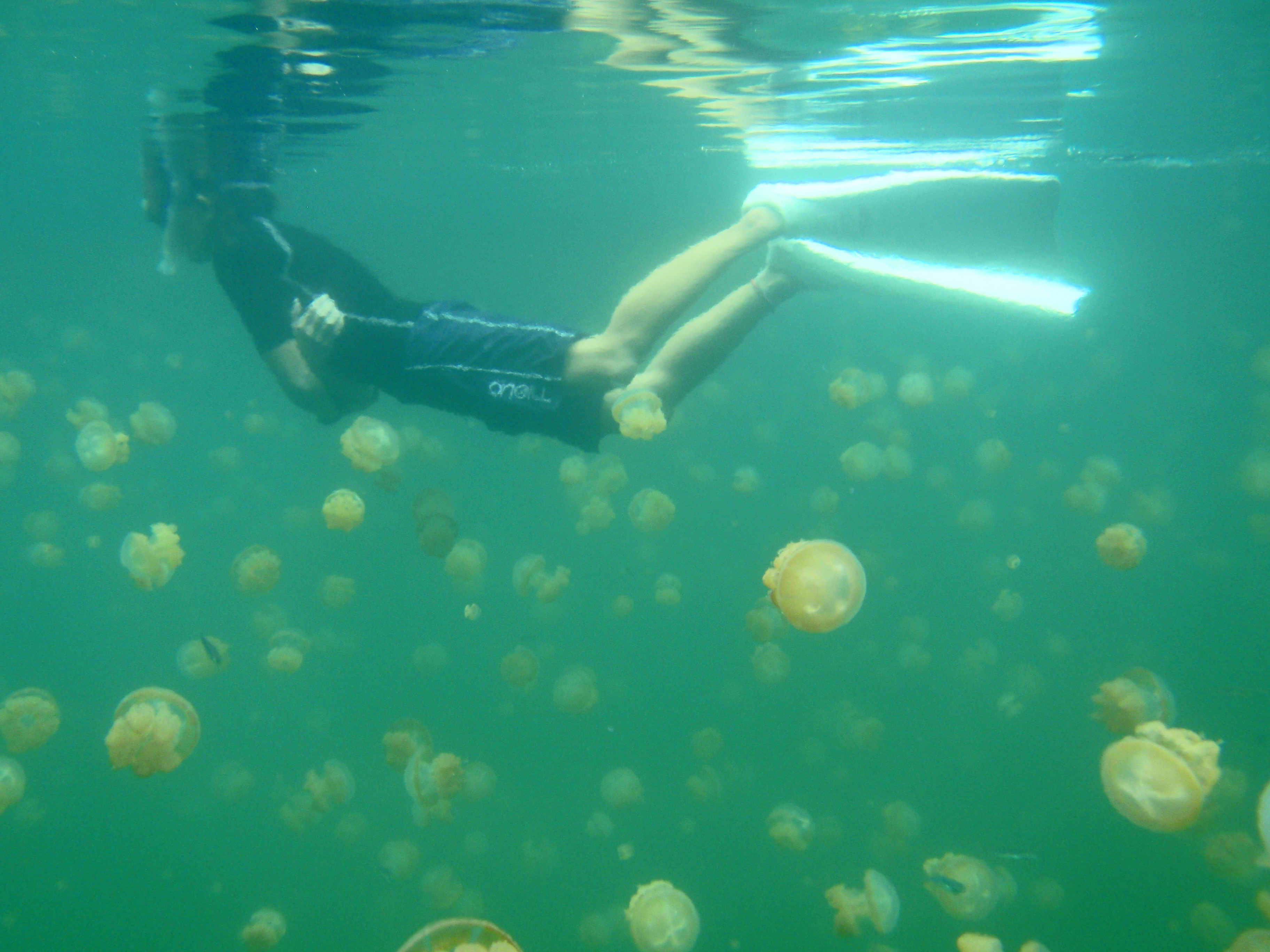
Palau is where the Pacific decides to show off. This scattering of 500 limestone islands in Micronesia sits so far from conventional tourist circuits that it's remained almost stubbornly itself—a place where traditional masters still teach wood carving on locally sourced mahogany, where canoes are built with coconut husk rope and tree sap glue, and where the aunties will teach you to weave grass skirts if you ask nicely. The Rock Islands, those famous mushroom-shaped limestone formations rising from electric blue water, aren't just a screensaver come to life—they're your gateway to swimming in the pastel-hued Milky Way lagoon, kayaking through sea caves in Nikko Bay, and yes, floating among seven million stingless jellyfish that pulse around you like living lava lamps. What sets Palau apart is how the natural wonders and living culture exist side by side without the usual tourist infrastructure smothering either. In Koror, the country's largest city, you can watch traditional dancing at the 680 Night Market before trying fruit bat soup (yes, really—it's a local delicacy alongside tapioca and coconut cream desserts). On Airai island, ancient stone pathways still lead to traditional sun dials, while WWII tunnels and fallen relics are being slowly, beautifully reclaimed by jungle. You're not observing Palauan culture through museum glass—you're learning to cook with locals, sailing in traditional vessels, discovering the country's oldest remaining Bai temple hut. The diving and snorkeling here regularly makes "world's best" lists, but here's the thing: even non-divers find themselves breathless. Snorkeling with reef sharks off Ngermaus Island, hiking to the 217-meter Ngardmau Waterfall (Micronesia's tallest), or paddling to a private beach for lunch feels less like ticking boxes and more like stumbling into privileges. Most visitors use Koror as a base for boat trips into the Rock Islands, where the ratio of natural wonder to other humans tips gloriously in your favor. People leave Palau feeling like they've gotten away with something—finding a place this spectacular, this authentic, this quiet.
Why It's Unbeaten
Palau sits in the shadow of more famous Pacific destinations like Fiji and French Polynesia, despite offering some of the world's most pristine marine environments. Most travellers heading to Southeast Asia skip Micronesia entirely, assuming it's either too remote, too expensive, or lacks the infrastructure of better-known islands. The reality is that Palau's isolation is precisely what preserves it—its Rock Islands remain largely uncrowded, its jellyfish lake is genuinely unique, and its WWII history feels tangible rather than museumified. Budget-conscious backpackers tend to gravitate toward Thailand or Indonesia instead, leaving Palau to serious divers, kayakers, and culture-seekers who've done their research.
Exercise normal caution when traveling to Palau; some areas have increased risk.
Advisory based on knowledge as of 2025. Always check travel.state.gov for the most current information.
Who Is This Trip For?
Recommended age range: All ages
Ages All ages
✓ Divers and snorkellers
✓ Slow travellers
✓ Nature lovers
✓ Couples seeking tropical isolation
✓ History enthusiasts (WWII sites)
✓ Adventure travellers
✗ Budget backpackers (limited ultra-cheap options)
✗ Party/nightlife seekers
✗ Travellers with limited mobility
✗ Those averse to water-based activities
Getting There
Palau International Airport (ROR) is your entry point, served primarily by United Airlines from Guam (2 hours) and occasional connections via Manila or Seoul. From North America or Australia, you'll typically fly to Guam first, then catch the short hop to Palau—total journey time is usually 12-18 hours depending on connections. There are no trains or buses; once you land in Koror (Palau's main hub), you'll rely on taxis, rental cars, or tour operators for transport. Accommodation providers and tour companies often arrange airport pickups if you book ahead, which is genuinely useful given limited public transport.
Budget Guide
Budget
$60USD / dayBudget accommodation in guesthouses, local meals, public transport, and free/low-cost attractions
Midrange
$120USD / dayMid-range hotels, mix of restaurant and local dining, guided tours, water activities, and sightseeing
Splurge
$250USD / dayHigh-end resorts, premium dining, private tours, diving expeditions, and exclusive experiences
Visa & Entry
US, UK, and EU citizens can visit Palau visa-free for up to 30 days. Upon arrival, border officials will issue a tourist visa stamp directly in your passport without requiring a pre-arranged visa application. Your passport must be valid for at least six months beyond your intended stay and have at least one blank visa page. No visa fees apply for the standard 30-day tourist entry. For stays longer than 30 days or for business purposes, visitors should contact the Embassy of the Republic of Palau or check with local immigration authorities regarding extended visa options. Processing for extended visas may take 1-2 weeks depending on the purpose and circumstances of your visit.
US
Visa on ArrivalTourist visa issued upon arrival; passport must be valid 6+ months with at least 1 blank page
Apply:Palau Immigration (issued at border)
UK
Visa on ArrivalTourist visa issued upon arrival; passport must be valid 6+ months with at least 1 blank page
Apply:Palau Immigration (issued at border)
EU
Visa on ArrivalTourist visa issued upon arrival; passport must be valid 6+ months with at least 1 blank page
Apply:Palau Immigration (issued at border)
Visa requirements are based on publicly available information and may have changed. Always confirm with the official embassy or consulate before travelling.
Where to Stay
Search for accommodation
The properties below are curated suggestions. You can also search directly on a booking platform.
Note on contact information: Where available, contact details are sourced from publicly available records and may be out of date.
Located in Koror with direct beach access and reliable tour operator partnerships. Good base for day trips to Rock Islands without premium pricing; rooms are functional rather than luxurious, but the location and service justify the cost.
Contact details unavailable — try searching online or a booking site.
Search "Palau Pacific Resort" on Booking.com →Family-run guesthouse in central Koror with personable owners who provide genuine local insights and can arrange informal tours. Basic but clean rooms; the real value is the insider knowledge and casual atmosphere.
Contact details unavailable — try searching online or a booking site.
Search "Surangel's Bed & Breakfast" on Booking.com →Private island setting with snorkeling directly from the property and rustic-luxury accommodation. Best for travellers willing to pay for solitude and direct access to pristine reefs; meals are included and sourced locally.
Contact details unavailable — try searching online or a booking site.
Search "Carp Island Resort" on Booking.com →No-frills accommodation on Peleliou Island, requiring a boat transfer from Koror but offering genuine cultural immersion. Ideal for budget travellers comfortable with basic facilities and a slower pace.
Contact details unavailable — try searching online or a booking site.
Search "Peleliou Guest House" on Booking.com →What to Do
Enter a lake with up to 7 million stingless golden jellyfish that have lost their natural defenses over millennia. Most tour operators offer half-day trips; go early morning to avoid crowds and see the jellies at their most active. It's genuinely surreal and justifies the hype.
Paddle through limestone formations and hidden caves, stopping to snorkel pristine reefs teeming with sharks, rays, and reef fish. This is the iconic Palau experience—combine it with a private beach lunch for the full day. The Rock Islands are worth 2-3 days if you have time.
Hike to fallen Japanese and American aircraft, bunkers, and hidden tunnels on islands like Peleliou that are slowly being reclaimed by jungle. Hire a local guide who can contextualize the history; it's haunting and surprisingly accessible.
Trek to Micronesia's tallest waterfall (217m) through rainforest on Babeldaob Island. A half-day trip from Koror; the walk is muddy and requires basic fitness, but the cascade and jungle immersion are worth it.
Spend a morning learning Palauan crafts from local artisans—weaving grass skirts or carving mahogany—while supporting community livelihoods directly. These are offered informally through guesthouses and tour operators; genuinely educational without feeling touristy.
Paddle through mangrove channels and limestone caves, with options to explore secluded beaches and snorkel. Less crowded than the main Rock Islands tour; best for independent or small-group travellers seeking quieter exploration.
Where to Eat
Palauan food reflects Micronesian traditions with heavy use of coconut, taro, cassava, and seafood. Expect limited vegetarian options and restaurant diversity outside Koror. The food isn't fine dining but it's authentic—try local markets and casual joints rather than resort restaurants if you want genuine flavors. Fruit bat soup is a traditional specialty, though it divides travellers; coconut cream desserts and fresh reef fish are safer bets for most palates.
Casual dining in central Koror serving fresh reef fish, taro-based dishes, and decent burgers. It's reliable for breakfast before early tours and offers a mix of Palauan and Western options without pretense.
Small local spot with strong coffee, fresh fruit smoothies, and pastries. Good for a quick breakfast or lunch break; often frequented by locals rather than tourists, so you'll get honest portions and fair pricing.
Street food gathering in Koror's downtown offering grilled fish, tapioca dishes, coconut desserts, and traditional drinks. Go on Friday or Saturday nights for live traditional dancing and the most vibrant atmosphere; it's cheap, authentic, and where locals actually eat.
Language & Culture
Official Language
Palauan (Palau)
English Spoken
Good
English fairly common in cities and popular sites — manageable without translation
📱 Translation app optional but handy
Cultural Tips
Palauans are warm and respectful; greetings and eye contact are valued. Remove shoes when entering homes or traditional structures (bai). Respect sacred sites and ask permission before photographing people or traditional ceremonies. Sunday is sacred—many businesses close, and loud activities are discouraged.
Useful Phrases
Safety & Health
Palau is very safe with minimal violent crime, though petty theft in Koror exists—keep valuables secure and avoid displaying expensive items. The US State Department rates it at Advisory Level 1 (Exercise Normal Caution). Medical facilities in Koror are adequate for routine care, but serious emergencies may require evacuation to the Philippines or Guam; travel insurance covering evacuation is essential. Vaccinations for hepatitis A, typhoid, and Japanese encephalitis are recommended, particularly if visiting rural areas. Dengue fever and Zika are present but rare; dengue spikes during wet season (June–November). Tap water in Koror is drinkable, though bottled water is safer on outer islands. Sun exposure is intense—use high-SPF sunscreen and reef-safe products. Stonefish and sea urchins inhabit reefs; wear reef shoes and watch for warning signs around Jellyfish Lake.
Best Time to Visit
Palau's dry season (November to March) offers the best combination of calm seas, clear skies, and reliable underwater visibility. Outside these months, typhoon season brings heavy rain, rough waters, and unpredictable conditions that can cancel tours.
✓ Calm seas, excellent snorkeling and diving visibility, minimal rain, comfortable temperatures. Peak time for Rock Islands exploration and all water-based activities; also the best window for scenic flights.
✗ Peak tourist season means higher accommodation prices and crowded tour groups. Some tour operators may charge premium rates.
✓ Fewer tourists, lower accommodation rates, lush green landscapes, and occasional breaks of clear weather. If you're flexible, you can still snorkel and dive on good days at a fraction of peak-season prices.
✗ Heavy rainfall, unpredictable rough seas, tour cancellations, reduced visibility underwater. Typhoons can occur June-November, making travel risky and uncomfortable.
✓ Transition period with occasional clear days; lighter crowds than November-March but better conditions than July-October. Possible to visit affordably with patience for weather.
✗ Inconsistent conditions; plan flexibility into your itinerary. Some tours may cancel unexpectedly.
Honest Caveats
Palau is expensive—accommodation, tours, and food cost significantly more than mainland Asia or even Fiji. A modest day trip (boat tour, lunch, entrance fees) easily runs $150-200 per person. The islands are also isolated, meaning supplies are limited and flights are infrequent; if you miss a connection, you're stuck. Infrastructure outside Koror is minimal; roads are rough, reliable WiFi is patchy, and medical facilities are basic—serious injuries require evacuation to Guam. Visibility underwater can be murky during rainy season, and jellyfish lake isn't guaranteed year-round due to seasonal variations. The tourist circuit (Jellyfish Lake, Rock Islands) can feel crowded during peak season, particularly if you're expecting pristine solitude—you'll share boat tours with 10-20 other visitors.
Difficulty Breakdown
Overall
5/10
Moderate
Language Barrieri
3/10
Easy
Logisticsi
5/10
Moderate
Physical Demandi
4/10
Easy
Infrastructurei
5/10
Moderate
What This Means
Palau sits mid-range for complexity: it's easy to organise from Koror with established tourism infrastructure and no visa hassles, but physical activity (diving, water sports, jungle hiking) requires fitness, and logistical flexibility is needed to island-hop beyond the main tourist circuit. Weather unpredictability (typhoons June–November), occasional medical limitations, and relative isolation from regional hubs add moderate friction.
Nearby Destinations Worth Combining
Click any destination to see why it pairs well with Palau.
Location
Map data © OpenStreetMap contributors