Lençóis sits at the western gateway to Chapada Diamantina, a cobblestoned former diamond-rush town where 19th-century colonial buildings still lean against each other along the Lençóis River.
The town's name means "sheets," supposedly because prospectors' white tents once resembled laundry spread across the hills. Today, those hills remain mostly empty except for hikers heading into one of Brazil's least-crowded national parks. While Salvador and Rio absorb the coastal crowds, Lençóis offers something increasingly rare: legitimate wilderness access from a walkable town where you'll hear Portuguese spoken for travel, not tourism.
The Rua das Pedras runs through the historic center, its irregular stones polished by more than a century of foot traffic, connecting the Mercado Cultural (a former customs house where diamond smugglers once schemed) to the Igreja Nosso Senhor dos Passos on the hill. Casa de Cultura Afrânio Peixoto occupies a mansion where you can see the actual scales once used to weigh precious stones. But the real draw lies beyond town: the Ribeirão do Meio, a natural waterslide carved into smooth rock just thirty minutes' walk away, or the Cachoeira da Primavera, where most visitors take their first swim in Chapada's amber-tinted waters. Guides based in Lençóis lead treks to the Poço Encantado, a flooded cave where sunlight penetrates the water like a spotlight exactly at midday.
The town operates on trekker time. Restaurants along Rua da Baderna serve moqueca and feijão tropeiro to people comparing trail notes, and pousadas fill with guests planning multi-day camping trips to the Vale do Pati. You won't find resort infrastructure here—Lençóis remains functionally a base camp with better architecture than you'd expect. Those who make the six-hour bus journey from Salvador tend to stay longer than planned, recognizing they've found the launching point for Brazil's backcountry that hasn't yet required a reservation system.
Photo by Renato Nascimento on Pexels
Why it's Unbeaten
Out of the main current, in the right way.
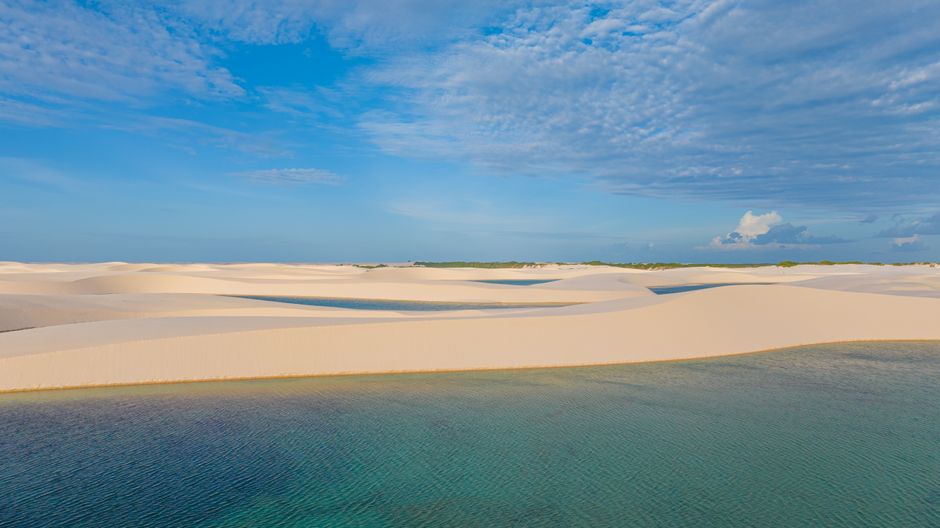
Lençóis gets overlooked because most Brazil-bound travellers have their eyes fixed on Rio's beaches, São Paulo's energy, or the Pantanal's wildlife. Few realise that this small town in Bahia sits at the gateway to one of Brazil's most surreal landscapes—the Lençóis Maranhenses National Park, where massive white sand dunes meet crystalline freshwater lagoons. The town itself has only recently begun welcoming independent travellers, meaning it still feels genuinely local rather than packaged for tourists. You'll find yourself exploring alongside curious adventurers rather than coach tours, which changes everything about how you experience the place.
The main event
What you'll actually do in and around Lençóis
01
Lagoa Azul (Blue Lagoon)
The most famous lagoon in Lençóis Maranhenses—a seemingly impossible pool of deep turquoise water surrounded by white sand. It's worth the early morning wake-up to arrive before heat mirages distort the water; swimming in it feels like stepping into a dream. Most tours include this, but going with a private guide lets you linger without the rush.
02
Lagoa da Gaivota and Lagoa do Peixe trek
A full-day hike connecting two lesser-known lagoons through pristine dunes, with minimal crowds compared to the main circuit. The physicality is real—deep sand, no shade—but the solitude and shifting light on untouched dunes makes it genuinely transcendent. Hire a local guide; they know the water crossings and safe routes.
03
Atins and the Parnaíba River delta
Head east to this fishing village where the Parnaíba River meets the ocean, creating a landscape of mangroves, sandbars, and endless sky. You can kayak through the delta at sunrise or explore on foot—it's radically different from the lagoon landscape and often forgotten by visitors focused on the park. The light here is photographer's gold.
04
Barreirinhas riverfront at sunset
Skip the organized tours for an evening and walk along the Río Preguiça waterfront in Barreirinhas as light softens. Local fishermen cast nets, river dolphins occasionally breach, and the pace slows considerably. Grab fresh açai or a cold drink from a riverside vendor and watch the sky change.
05
Multi-day camping expedition in the dunes
If you have time and nerve, arrange a 2–3 day trek with a guide where you camp on the dunes and wake to unbroken horizons. You'll carry minimal gear, bathe in lagoons, and experience the landscape's full scale without the day-trip pace. It's demanding but unforgettable—book through your guesthouse or a trusted operator like Lençóis Expedições.
06
Coconut plantation and local craft workshops
Take a half-day to visit working coconut farms outside Lençóis and watch artisans make traditional crafts—baskets, textiles, pottery. It's quiet cultural immersion that supports local livelihoods and gives context to everyday life beyond the park.
Taste of Lençóis
Where to eat
Lençóis and Barreirinhas are not culinary destinations in the fine-dining sense, but the food is honest and rooted in Bahian traditions—fresh fish, manioc, coconut, tropical fruits. Most meals are lunch-heavy; dinner options are more limited, and many places close early. Fresh seafood is the backbone here; ask your guesthouse where locals eat rather than relying on tourist-facing restaurants. The water is drinkable from most establishments, but stick to bottled or purified water if your stomach is sensitive.
Restaurante da DidaA simple spot in Lençóis serving generous plates of fresh fish, seafood rice, and salads at fair prices. Go for lunch when the food is hot and fresh; the moqueca (fish stew) is the standout. It's where locals eat, which is always a good sign.
Barreirinhas waterfront fish vendorsSkip the formal restaurants and grab grilled fish directly from vendors along the Parnaíba at Barreirinhas' dock—it doesn't get fresher. Arrive late afternoon when the catch comes in, and eat as the sun sets. Bring cash, gesture enthusiastically, and enjoy one of the most authentic meals you'll have.
Café com Calma (Lençóis)A cosy café-bakery for breakfast or afternoon coffee, with fresh pastries and strong Brazilian coffee. The owners are friendly and can point you toward lunch spots or evening activities. It's a good place to plan your days and overhear recommendations from other travellers.
02 / The honest read
Is Lençóis your kind of trip?
Best for
+ Adventure seekers
+ Hikers and trekkers
+ Nature photographers
+ Off-grid explorers
+ Eco-tourists
Think twice if you want
x Families with young children
x Mobility-impaired travellers
x Beach holiday seekers
x Those requiring reliable connectivity
Effort and reward
Planning
2/5
Physical effort
3/5
Self-reliance
3/5
Scenery
5/5
Culture
3/5
Difficulty breakdown
What "6/10" actually means
Language barrier7/10
Very limited English outside a handful of tour agencies; Portuguese basics or a translation app are essential for daily interactions.
Logistics6/10
Reaching Lençóis requires a bus journey from Salvador or expensive charter flights; once there, arranging guides and transport for treks takes planning.
Physical demand7/10
Most visitors come for multi-day treks through rugged terrain with significant elevation changes; casual visitors can find easier waterfall walks.
Infrastructure5/10
Charming but basic pousadas, intermittent WiFi, and unpaved roads to trailheads; the town itself has cobblestone streets and adequate services.
Lençóis rewards adventurous travellers willing to navigate language barriers and logistical challenges. The physical demands of Chapada Diamantina's trails are substantial for serious hikers, though easier options exist. Infrastructure is rustic but functional, and the remoteness is part of the appeal—this isn't a destination for those seeking convenience.
Read this before booking
The honest caveats
Let's be direct: Lençóis is remote, and remoteness comes with trade-offs. Internet is spotty, ATMs are limited (bring cash from Barreirinhas or São Luís), and medical facilities are basic—serious injuries require evacuation to São Luís. The heat in the dunes is brutal; dehydration sneaks up on you, and sunburn happens faster than you think. Many people underestimate the physical demand of sand hiking and end up frustrated or injured. Additionally, the park's popularity is growing, which means some lagoons get crowded with tour groups, especially Lagoa Azul. The infrastructure hasn't caught up with visitor numbers, so bathroom facilities and waste management can be rough. Finally, the town itself is quiet to the point of feeling sleepy for some travellers—if you need nightlife or constant stimulation, you'll be disappointed.
Safety & health
Lençóis is generally considered one of the safer destinations in Brazil, with a relaxed small-town atmosphere quite different from major cities. Petty theft can occur, so use common sense with valuables, especially on busier market days. The hiking trails in Chapada Diamantina present the main safety considerations—flash floods can occur in canyons during rainy season (November-March), and some trails require experienced guides. Always inform your accommodation of hiking plans.
Health precautions should include yellow fever vaccination, which is recommended for travel to Bahia state—carry your certificate as it may be checked. Dengue and Zika are present in Brazil, so use mosquito repellent, particularly at dawn and dusk. The water in Lençóis is generally safe but bottled water is recommended for sensitive stomachs. Bring adequate sun protection and stay hydrated during hikes.
Medical facilities in Lençóis are basic, with a small health post for minor issues. For anything serious, Salvador (approximately 430km away) has comprehensive hospitals. Travel insurance with emergency evacuation coverage is strongly advised. Pharmacies in town stock basic medications, but bring any prescription drugs you need.
Official advisoryLevel 2
Exercise Increased Caution in Brazil due to crime in some areas; Level 2 advisory updated August 2026 with kidnapping risk indicator.
Advisories change. Verify with the US State Department before travelling. Last reviewed: 2026.
03 / Make it real
Plan the trip
September–November (Dry Season)
Why go: Lagoons are at peak water levels and brilliantly blue; temperatures are warm but manageable; minimal rain means clear skies and good visibility for trekking. This is peak season but justified.
Watch for: Higher prices and more tourists (though still far fewer than mainstream destinations). Book accommodation ahead.
May–August (Cooler Dry Season)
Why go: Temperatures are lower, which makes trekking more comfortable; fewer tourists than September–November; prices dip slightly. Still dry enough to explore the dunes.
Watch for: Some lagoons begin to shrink or disappear; water levels are less impressive, and fewer swimming opportunities. Fewer guides available.
December–April (Wet Season)
Why go: The landscape is genuinely wet and green; prices drop significantly; the light is dramatic during storms. A different, moody aesthetic.
Watch for: Heavy rainfall makes trekking muddy and difficult; many lagoons disappear or become too deep to cross safely; guides are scarce; some areas become inaccessible. Not recommended unless you have serious experience and flexible plans.
Getting there
Getting there
Fly into São Luís (Zumbi dos Palmares International Airport), which connects to major Brazilian hubs like Rio, São Paulo, and Salvador. From São Luís, you have two options: a scenic 5–6 hour drive west to Barreirinhas (the main town for Lençóis access), or fly to Barreirinhas if you want to skip the road. The drive passes through sugar cane plantations and gradually shifts to scrubland—it's worth doing at least once. Local buses run from São Luís but aren't frequent or particularly comfortable; hiring a driver or car rental gives you flexibility and peace of mind given road conditions. Once in Barreirinhas, Lençóis is about 15km away—any local guide or accommodation can arrange the final transfer.
Visa & entry
Entry requirements
US citizens can enter Brazil visa-free for up to 90 days for tourism purposes, with the possibility of extending for an additional 90 days within a 12-month period. UK and Australian citizens have also been granted visa-free access as of January 2024, following reciprocal agreements with Brazil. EU citizens should verify their specific nationality requirements on the Brazilian Ministry of Foreign Affairs website (gov.br/mre), as visa policies vary by country. No prior visa application is required for these nationalities for short-term visits to Lençóis.
PassportRequirementMax stayDetails
USVisa-free90 days (extendable to 180 days within 12 months)US citizens can extend their stay once for an additional 90 days within any 12-month period Official portal
UKVisa-free90 days (extendable to 180 days within 12 months)Visa-free access granted since January 2024 following reciprocal agreement Official portal
EUVaries by nationality90 days (extendable to 180 days within 12 months, if visa-free)Most EU nationalities are visa-free; verify specific requirements on official MRE website as policies vary Official portal
Requirements may change. Confirm with the relevant embassy or official immigration authority before booking.
Daily budget
What it costs once you're there
USD per person/day, double occupancy, excluding international flights (2026-06-16)
Budget$80Includes lodging $25, food $20, activities $25, local transport $10. Lodging anchored to Pousada Lençóis. medium confidence
Midrange$205Includes lodging $60, food $40, activities $60, local transport $45. Lodging anchored to Pouso da Sobra. medium confidence
Splurge$350Includes lodging $60, food $70, activities $130, local transport $90. Lodging anchored to Pouso da Sobra. medium confidence
Base yourself well
Where to stay
Search live availability
Use the curated stays below as a starting point, then compare current inventory and prices.
A simple, locally-run guesthouse in the heart of Lençóis with hammocks, a shared kitchen, and owners who genuinely know every corner of the park. It's the kind of place where breakfast becomes a planning session with other travellers, and staff can point you toward lesser-known lagoon trails. Clean, unpretentious, and the real deal.
Boutique Inn$120–180/night
Pouso da Sobra
A mid-range option with more comfort—individual rooms, a small pool, and a quieter setting just outside the main drag. The owner curates guide recommendations carefully and can arrange private park excursions if you want to avoid group tours. Good balance of amenity and authenticity.
B&B$70–110/night
Casa das Cores
An intimate, artistic guesthouse with hand-painted walls, a garden, and home-cooked breakfasts. The host is passionate about local culture and conservation—expect conversations about Bahian traditions and why protecting the dunes matters. Feels like staying with a thoughtful friend.
Eco-lodge$140–220/night
Barreirinhas Lodge
A step up in comfort with air-conditioning, a restaurant, and direct access to guide networks for park tours. Less personal than the guesthouses but more reliable for logistics, especially if you want organized multi-day treks or boat trips to the dunes.
Language, useful phrases, and cultural notes +
Portuguese / English: Basic
Simple tourist phrases only in hotels and main attractions - most locals speak no English. Translation app strongly recommended
Brazilians are warm and physical in greetings—expect cheek kisses even from new acquaintances. Lençóis retains a bohemian, artistic character from its diamond-mining heritage mixed with a New Age spiritual community. Tipping 10% is customary in restaurants; haggling is acceptable in markets but keep it friendly. Locals embrace 'Bahia time'—expect a relaxed pace and build flexibility into your plans.