Photo by https://www.kulturportali.gov.tr/turkiye/kutahya/genelbilgiler on Unsplash
Best timeApr-May / Sep-Oct
Suggested stay4-5 nights
Budget from$80/dayPer person, double occupancy
Trip difficultyEasy3/10 overall
Unbeaten score8/10Easy, still overlooked
01 / The pitch
Kütahya announces itself through its tiles — not in a museum, but everywhere.
Walk down Germiyan Caddesi and you'll notice it first on the fountains, then on mosque facades, then on the front of ordinary shops and homes. This Anatolian city has been producing çini (traditional painted ceramics) since the 15th century, and unlike Iznik, which caters increasingly to collectors and tourists, Kütahya still feels like a working pottery town where the craft belongs to daily life, not display cases.
The old artisan quarter around the Ulu Cami rewards slow wandering. Duck into family workshops where third-generation craftsmen paint cobalt blue and turquoise designs onto unfired plates, happy to explain the difference between authentic mineral pigments and the cheap shortcuts. The Kossuth House — where the exiled Hungarian revolutionary Lajos Kossuth lived in the 1850s — sits quietly on a side street, a strange and moving footnote to Ottoman hospitality. For lunch, find a lokanta serving etli ekmek (a long, thin meat flatbread that's Kütahya's answer to pide) and the local specialty mantı, smaller and more intensely garlicky than versions elsewhere.
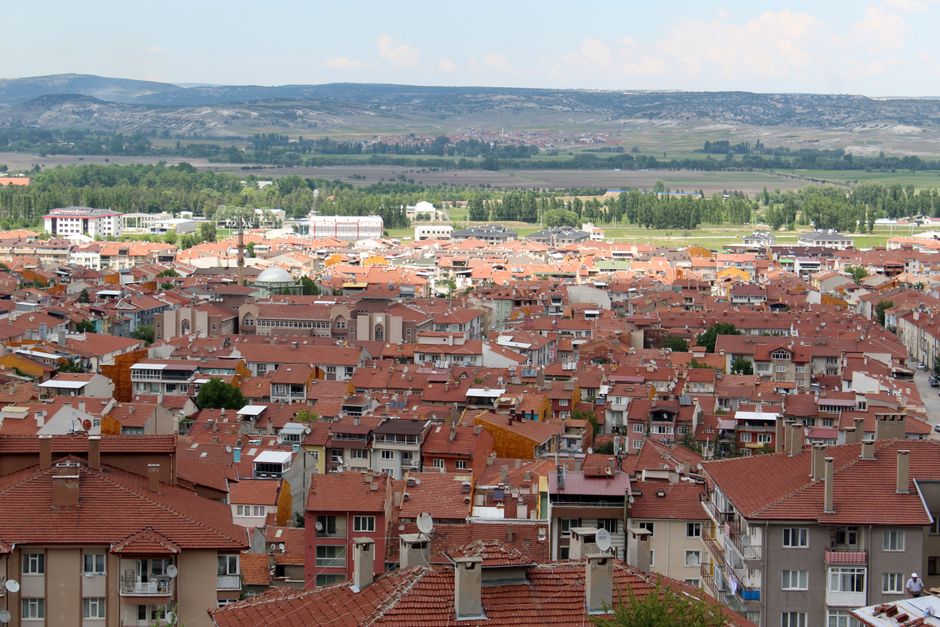
Climb to the Byzantine-Ottoman fortress at dusk and you'll understand why travellers who stumble upon Kütahya feel they've found something rare. Below you spreads a city of minarets, red roofs, and that distinctive tile-blue glinting from unexpected corners — a place that hasn't learned to perform for visitors because it hasn't needed to. The thermal springs at nearby Yoncalı have drawn locals for centuries and remain blissfully uncommercialized. You'll likely be the only foreigner in the hamam, which is exactly the point.
Photo by https://www.pexels.com/@msaimakin on Unsplash
Why it's Unbeaten
Out of the main current, in the right way.
Kütahya sits in the shadow of Turkey's bigger draws—Istanbul, Cappadocia, the Aegean coast—and that's precisely why it's worth the detour. Most visitors rush through on the way to somewhere else, or skip it entirely. The city has been a ceramics centre for 500 years, but tourists associate Turkish pottery with Iznik tiles or carpet shops in the bazaar; they don't think to seek out the living workshops and kilns where craftspeople still work by hand. Additionally, Kütahya lacks the dramatic landscape tourism sells—no fairy chimneys, no blue lagoons. What it offers instead is genuine craft culture, Ottoman architecture in quiet streets, and the kind of Turkey that doesn't perform for cameras.
The main event
What you'll actually do in and around Kütahya
01
Visit working ceramic workshops in the old town
The real draw of Kütahya is watching potters and tile-makers work in their studios. Walk through the narrow streets around Cumhuriyet Caddesi and pop into open workshops—most artisans welcome visitors and will show you their work. You'll see hand-thrown pieces and hand-painted tiles that feel alive in a way museum pieces don't. This is where you should spend half a day minimum.
02
Kütahya Museum of Ceramics and Glass
Located in a restored Ottoman mansion, this museum houses an exceptional collection of Kütahya ceramics spanning centuries. The display is thoughtful and not overwhelming—you'll understand the technical evolution and aesthetic development of the craft in a couple of hours. It's the context you need before or after visiting the working studios.
03
Climb to Kütahya Castle
The remains of the medieval castle overlook the city and the surrounding plateau. The climb is short (30 minutes up from the old town) and rewards you with views across the Phrygian landscape and the tile-roofed houses below. The castle itself is ruins, but the vantage point clarifies Kütahya's geography and strategic importance.
04
Explore the Covered Bazaar (Bedesten)
Unlike Istanbul's Grand Bazaar, this one is local-focused and unhurried. You'll find ceramics, dried goods, textiles, and spices—but people are shopping for themselves, not performing for tourists. It's a genuine slice of Turkish commerce, and you can watch potters' work being sold alongside functional household items.
05
Visit the Ulu Camii and Mehmet Paşa Mosque
These two mosques represent different architectural periods and styles. The Ulu Camii is simpler and older (14th century), while the Mehmet Paşa Mosque features more ornate tilework typical of the Ottoman period. Both are still in active use; visit outside prayer times and you'll have them almost to yourself.
06
Buy directly from a ceramic artist
Rather than shopping in a gift shop, spend time with a working potter or painter and commission a small piece or buy finished work directly. Prices are fair, pieces are often made to order, and you'll have a story attached to what you take home. Ask your guesthouse owner or hotel to introduce you—these recommendations carry weight.
Taste of Kütahya
Where to eat
Kütahya's food culture reflects central Anatolia—meat-heavy, straightforward, with strong local pride in a few specific dishes. The local speciality is Kütahya meatball (Kütahya köftesi), a spiced ground meat dish that appears everywhere from street stalls to family restaurants. Breakfast is serious here; if you're staying in a local guesthouse, the spread of cheeses, breads, olives, and jams will set you up for the day. Restaurant dining is inexpensive by any standard, and portions are generous. You won't find trendy fusion or experimental cooking—this is regional Turkish food, honest and without pretension.
Kütahya Kebapçısı (on Cumhuriyet Caddesi)A no-frills meathall where locals eat lunch. Order the Kütahya köftesi with rice and yogurt, or the grilled lamb. The food arrives quickly, prices are around 100 TL per person, and you'll eat among Turkish families rather than tourists.
Çatalhöyük RestaurantA step up in formality but still local, with a broader menu including pide (Turkish pizza), grilled fish, and vegetable dishes. Sit in the garden courtyard if it's open. The food is reliable and prices remain reasonable (150-200 TL per person with drinks).
Street breakfast at local pide stalls near the bazaarEarly morning, grab a spinach and cheese pide from one of the stalls and eat it standing up with çay (tea). It costs 30-50 TL and is the quickest way to experience local life. Best around 7-8 am.
02 / The honest read
Is Kütahya your kind of trip?
Best for
+ Families
+ History and culture lovers
+ Artisans and craft enthusiasts
+ Slow travellers
+ Art students
+ Retirees
Think twice if you want
x Beach-focused holidaymakers
x Nightlife and party seekers
x Extreme sports enthusiasts
Effort and reward
Planning
2/5
Physical effort
2/5
Self-reliance
3/5
Scenery
4/5
Culture
5/5
Difficulty breakdown
What "3/10" actually means
Language barrier4/10
Many hotel and restaurant staff speak basic to moderate English; pottery workshop instructors may use translation apps or gesture, but signage is mostly in Turkish.
Logistics3/10
Good bus connections to Ankara and Bursa; local dolmuş (shared minibuses) and taxis are affordable and easy to navigate with basic hand signals or hotel assistance.
Physical demand2/10
Kütahya is relatively flat with mostly leisurely walking around the city centre, pottery workshops, and museums; no strenuous hiking or climbing required.
Infrastructure2/10
Reliable electricity, good mobile coverage, well-maintained hotels and guesthouses, functioning public transport, and modern hospitals make daily life smooth.
Kütahya is an accessible, family-friendly destination with straightforward logistics, minimal physical demands, and solid infrastructure. While Turkish is the main language, tourism facilities are welcoming and staff are accustomed to international visitors. The city is safe, affordable, and easy to navigate, making it ideal for first-time visitors to Turkey and families seeking cultural immersion without complexity.
Read this before booking
The honest caveats
Kütahya is not a destination for everyone. If you come expecting Ottoman splendour or dramatic natural beauty, you'll be disappointed—the city is modest, the architecture is partly Ottoman but mostly post-war, and the landscape is flat and agricultural. There's no nightlife to speak of, and if you're staying in a budget guesthouse, expect sparse furnishings and inconsistent hot water. English is not widely spoken, particularly among shopkeepers and restaurant staff; a translation app and patience are essential. The ceramic workshops close on Sundays and some aren't open on Saturdays; plan accordingly. Additionally, the city is very quiet—which is part of its appeal to us, but it can feel isolating if you're expecting the buzz of a proper city.
Safety & health
Kütahya is a safe, welcoming destination with low crime rates and a strong tourism infrastructure. Petty theft is rare, and locals are generally friendly and helpful to visitors. Standard travel vaccinations (tetanus, hepatitis A, typhoid) are recommended but not mandatory; consult your doctor 4–6 weeks before travel. Tap water is safe to drink in most areas, though some travellers prefer bottled water. Medical facilities in Kütahya are modern and reliable, with hospitals and clinics offering competent care; larger facilities and English-speaking doctors are available in nearby Ankara or Bursa. Travel insurance is advisable as a precaution, though healthcare is inexpensive by Western standards.
Official advisoryLevel 2
Exercise Increased Caution in Turkey due to terrorism, armed conflict, and arbitrary detentions; avoid 10 km border zones with Syria and Iraq (Level 4).
Advisories change. Verify with the US State Department before travelling. Last reviewed: 2026.
03 / Make it real
Plan the trip
Spring (April–May)
Why go: Mild temperatures, clear skies, flowers in bloom across the plateau, no crowds. Artisans are settled into their work rhythms after winter.
Watch for: Occasional rain; some roads in outlying areas may still be muddy
Autumn (September–October)
Why go: Perfect weather, harvests happening in surrounding countryside, excellent light for photography, fewer tourists than summer
Watch for: Shorter days, occasional early rain in late October
Summer (June–August)
Why go: Long daylight hours, all attractions fully open and staffed
Watch for: Heat can be intense (35°C+), workshops may close midday, tourist crowds are slightly larger (though still minimal by Turkish standards)
Getting there
Getting there
Kütahya's nearest major airport is Zafer Airport in Afyonkarahisar (about 100 km away), which receives flights from Istanbul. From Istanbul's main airports, you can also take a coach directly to Kütahya—several companies run the 5-6 hour route (Kamil Koç and Pamukkale are reliable). The train is an option too: Kütahya sits on the Istanbul-Ankara line, though trains are slower than coaches (6-8 hours from Istanbul). The final leg into the city centre is straightforward by coach or taxi. If driving, the roads are decent and the journey from Istanbul is straightforward highway driving. Buses arrive at the otogar (bus station) on the western edge of town, about 2 km from the old centre; a short taxi ride will get you there for under 50 TL.
Visa & entry
Entry requirements
US citizens no longer require a visa for tourism or short business visits to Turkey as of January 19, 2024. Holders of ordinary passports may stay visa-free for up to 90 days within any 180-day period, provided their passport is valid for at least 60 days beyond the end of the planned stay. UK and EU citizens also enjoy visa-free entry for up to 90 days in any 180-day period, with passports valid for at least 6 months beyond the date of entry. Turkey introduced a Digital Nomad Visa in 2024 for remote workers aged 21–55 with a university degree and minimum monthly income of $3,000 USD, allowing stays of up to one year.
PassportRequirementMax stayDetails
USVisa-free90 days in any 180-day periodPassport must be valid for at least 60 days beyond the end of planned stay. Effective January 19, 2024, ordinary passport holders no longer need entry visas for stays under 90 days. Official portal
UKVisa-free90 days in any 180-day periodPassport must be valid for at least 6 months beyond the date of entry. At least one blank page required for stamps. Official portal
EUVisa-free90 days in any 180-day periodEU and EFTA citizens (except Cyprus) are exempt from visa requirements. Passport must be valid for at least 6 months beyond the date of entry. Official portal
Requirements may change. Confirm with the relevant embassy or official immigration authority before booking.
Daily budget
What it costs once you're there
USD per person/day, double occupancy, excluding international flights (2026-06-16)
Budget$80Includes lodging $15, food $20, activities $25, local transport $20. Lodging anchored to Çini Evi Pension. medium confidence
Midrange$170Includes lodging $25, food $40, activities $60, local transport $45. Lodging anchored to Kütahya Hotel. medium confidence
Splurge$320Includes lodging $30, food $70, activities $130, local transport $90. Lodging anchored to Kütahya Taş Konak. medium confidence
Base yourself well
Where to stay
Search live availability
Use the curated stays below as a starting point, then compare current inventory and prices.
A carefully restored Ottoman mansion in the old town with genuine character—exposed stone walls, original timber ceilings, and rooms overlooking quiet courtyards. The owners are invested in the place and offer solid advice on visiting local workshops. Small but well-appointed, and genuinely the best mid-range option in the centre.
3-star hotel$50-80/night
Kütahya Hotel
A functional, no-frills option near the main square with clean rooms and reliable service. Not atmospheric, but centrally located and comfortable if you want a straightforward base without paying for extra personality.
Guesthouse$30-50/night
Çini Evi Pension
A family-run guesthouse in a restored house near the ceramic museum, with a small terrace where the owner serves excellent breakfast. Very basic but authentic, and the owner—a retired ceramicist—is invaluable for introductions to working artisans.
Budget hotel$25-40/night
Dumlupınar Hotel
The cheapest reliable option, aimed at Turkish business travellers. Dated but clean, and the otogar is nearby if you're catching an early bus. Don't expect atmosphere, but it's honest value.
Language, useful phrases, and cultural notes +
Turkish / English: Moderate
Some English spoken in tourist areas, hotels, and restaurants - limited elsewhere. Translation app useful as a backup
Turkish hospitality is legendary—accepting tea when offered is polite and expected, and locals appreciate attempts to speak Turkish. Remove your shoes when entering homes, mosques, and some traditional spaces. Dress modestly, especially in religious sites and rural areas; women should carry a light headscarf for mosque visits.
HelloMerhabamehr-hah-bah
Thank youTeşekkür ederimteh-shek-koor eh-deh-reem
How much?Kaç para?katch pah-rah
Where is...?...nerede?neh-reh-deh
Excuse meAffedersinizaf-feh-dehr-see-niz
04 / Keep going
Nearby & beyond
1.5 hours by car or bus
Afyon (Afyonkarahisar)
A historic city famous for its marble and white castle perched atop a dramatic rock formation, offering scenic views and Ottoman architecture.
3 hours by car/bus via Izmir
Çeşme and Alacati
Charming coastal villages with whitewashed houses, boutique hotels, windsurfing beaches, and relaxed Mediterranean atmosphere.
2.5 hours by car or bus
Bursa
A major Ottoman city with stunning green mosques, silk bazaars, thermal hot springs, and Mount Uludağ cable car for mountain views.
3.5 hours by bus or car
Ankara
Turkey's capital offers excellent museums (Anatolian Civilisations Museum), government architecture, and vibrant dining and nightlife scenes.