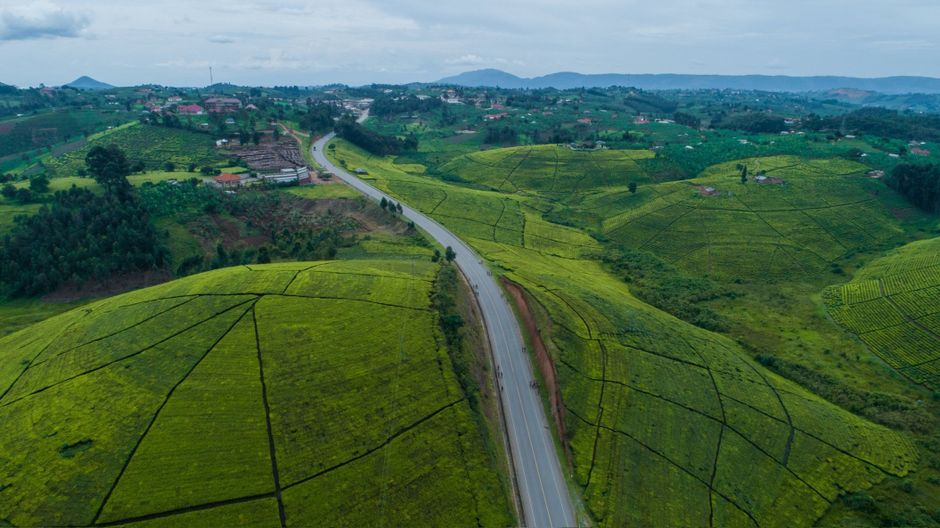
Kidepo Valley National Park sits in Uganda's remote northeastern corner, pressed against the South Sudan border, where the savannah stretches into infinity and you might spend an entire game drive without seeing another vehicle.
The Narus Valley in the park's south concentrations wildlife around permanent water sources—buffalo herds numbering in the hundreds, lion prides lazing under umbrella acacias, and elephants that move through camp at dawn. The northern Kidepo Valley turns golden and empty in the dry season, with the seasonal Kidepo River reduced to sand, backed by the jagged peaks of Mount Morungole rising 2,750 meters into clouds that seem to belong to another country entirely.
The 700-kilometer drive from Kampala takes two full days, which is precisely why Kidepo remains gloriously empty—most visitors fly the 90 minutes to the dirt airstrip at Apoka. This isolation has preserved not just the wildlife, but the Karamojong and Ik peoples whose manyattas (traditional compounds) dot the landscape beyond the park boundaries. Unlike the polished cultural performances at more accessible parks, visits to Karamojong communities here feel unscripted: women in beaded leather skirts pounding sorghum, warriors discussing cattle movements, elders sharing local brew under a thorny acacia while goats scatter the dust.
The park's 1,442 square kilometers hold species you won't find in Uganda's southern parks—cheetahs prowling the short-grass plains, bat-eared foxes, caracals, and over 475 bird species including the Karamoja apalis and black-breasted barbet that exist almost nowhere else. At Apoka Safari Lodge, you can watch elephants drinking at the waterhole from your veranda while greater kudus browse the valley below. The sense of being at the edge of everything—geographically, culturally, experientially—makes travelers who reach Kidepo feel like they've earned something most safari-goers will never know exists.
Photo by Workman House on Pexels
Why it's Unbeaten
Out of the main current, in the right way.
The math is simple: Kidepo receives roughly 1,500-2,500 visitors per year compared to Bwindi's 20,000+ gorilla trekkers or Queen Elizabeth's 100,000+ annual tourists. That 10-12 hour drive from Kampala deters casual safari-goers, especially when Uganda's gorilla parks can be reached in 8 hours of better road. There's also the Karamoja factor—the region has a reputation (now largely outdated) for cattle rustling and instability that lingers in travel advisories despite significant improvements. No luxury lodge chains have moved in, there's minimal marketing budget compared to gorilla tourism, and the park doesn't appear on most East African safari circuits that prioritize Kenya and Tanzania. The few who make it tend to be serious wildlife enthusiasts, overlanders, or travelers who've already done Uganda's greatest hits.
The main event
What you'll actually do in and around Kidepo Valley
01
Early morning game drive in Narus Valley
This is where the big cats hunt at dawn. You'll see lions emerging from the scrub, buffalo herds moving across open plains, and the occasional hyena pack. The valley is dramatic—rock outcrops and golden grassland stretching to the horizon—and the quiet of early morning makes it genuinely magical. Most visitors never make it here; those who do understand why it matters.
02
Afternoon drive through Kidepo Valley proper
Different ecosystem from Narus, with thicker vegetation and a different wildlife mix. Giraffes, zebras, and more varied bird life. The landscape shifts subtly throughout the day, and a second drive lets you see how the park changes—light, animal behavior, atmosphere all different from morning.
03
Walking safari with a ranger (optional but recommended)
If your lodge offers it, do it. Walking changes your relationship to the landscape—you move slower, notice more, feel genuinely present. Kidepo's guides are excellent and the terrain is manageable. It's a different pace from the game drive and worth at least half a day of your time.
04
Visit the Kidepo Valley viewpoint at sunset
A scenic spot overlooking the entire valley as light dies. Bring a drink, watch the colors shift, and let the scale of the place sink in. Tourist-friendly but genuinely worth it, and you won't share it with crowds.
05
Cultural visit to a nearby Karamojong settlement
The Karamojong are pastoralists with a distinct culture, and some lodges arrange visits to traditional settlements. You'll see traditional architecture, learn about pastoral life, and interact with local people. Approach it with genuine curiosity, not as spectacle—your guide will help set the right tone.
06
Bird watching along the Nile River (Nile section within park)
Kidepo has over 500 bird species. If you're a birder, this alone justifies the trip. Even if you're not, the variety is astounding—eagles, crowned cranes, secretary birds. A focused morning or afternoon with binoculars and a guide who knows calls will reshape how you see African wildlife.
Taste of Kidepo Valley
Where to eat
Food in Kidepo is lodge-based—there's no real restaurant culture in the immediate area. What you get depends entirely on where you stay. Apoka and Kidepo Valley Lodge both serve solid meals, usually a rotation of local staples and attempts at international fare. Expect ugali (cornmeal), beans, greens, posho (maize porridge), and fish or beef when available. Fresh ingredients vary by season; lodges source what they can locally. The food won't blow your mind, but it's adequate and genuinely flavored by place. Most visitors eat all meals at their lodge—plan accordingly.
Apoka Safari Lodge dining roomBest food option in the park. The kitchen makes an effort with fresh ingredients and varied preparation. Try the local grilled tilapia from the valley and whatever vegetable dishes are available that day. It's the most consistent and well-executed meals you'll get.
Kidepo Valley Lodge kitchen (Narus Valley Camp alternative)More basic than Apoka but genuinely good ugali and beans, and usually reliable meat stews. Ask for locally sourced items and the staff will prepare them. The communal dining creates good conversation with other travelers.
02 / The honest read
Is Kidepo Valley your kind of trip?
Best for
+ Experienced safari-goers
+ Wildlife photographers
+ Adventure seekers
+ Those seeking solitude
Think twice if you want
x First-time safari visitors
x Families with young children
x Travellers with mobility issues
x Those on tight budgets or schedules
Effort and reward
Planning
4/5
Physical effort
3/5
Self-reliance
4/5
Scenery
5/5
Culture
4/5
Difficulty breakdown
What "8/10" actually means
Language barrier6/10
Lodge staff speak English well, but locals in surrounding villages speak primarily Karamojong and limited Swahili.
Logistics9/10
Reaching Kidepo requires either a 10-12 hour 4x4 journey from Kampala on rough roads, or expensive charter flights; no public transport exists.
Physical demand5/10
Game drives are vehicle-based and comfortable, though walking safaris involve moderate hiking across savannah terrain in significant heat.
Infrastructure3/10
No ATMs, phone signal is sporadic at best, electricity comes from generators, and roads within the region are unpaved and often impassable in rainy season.
Kidepo is one of Africa's most remote and logistically challenging safari destinations. The journey alone requires serious commitment — either a full day of rough off-road driving or expensive charter flights. Once there, the isolation that makes it special also means you're far from any services, medical facilities, or modern conveniences. This is emphatically not a beginner safari destination, but rewards the intrepid with Africa's most authentic wilderness experience.
Read this before booking
The honest caveats
Let's be direct: Kidepo is remote, and remoteness cuts both ways. The roads are rough, the journey is long, and if you're uncomfortable with basic facilities or unpredictability, this isn't your place. The park's isolation means limited backup if something goes wrong—medical care is not nearby, and flights can be weather-delayed. Game viewing, while excellent, is never guaranteed; you might drive all morning and see mostly birds and distant herds. The dry season landscape is stunning but sparse—the wet season is greener but roads worsen and some areas become inaccessible. And yes, there's a Level 3 travel advisory for Uganda as a whole; Kidepo Valley itself is considered secure for tourists, but you should research current conditions before booking and register with your embassy.
Safety & health
Kidepo Valley sits in Uganda's remote Karamoja region, bordering South Sudan. While the park itself is well-managed and secure, the broader region has experienced cattle rustling and occasional banditry historically. Travel during daylight hours only, stick to main roads, and consider arranging armed ranger escorts for game drives — this is standard practice and enhances both safety and wildlife spotting. The US State Department currently rates Uganda at Level 3 (Reconsider Travel) due to crime, terrorism, and civil unrest concerns, primarily affecting urban areas and border regions.
Malaria is a serious risk year-round in Kidepo Valley. Take prophylactics without fail, sleep under treated mosquito nets, and use strong DEET-based repellent constantly. Yellow fever vaccination is mandatory for entry. Additional recommended vaccinations include hepatitis A and B, typhoid, and ensuring your routine immunisations are current. Rabies vaccination is worth considering given the remote location and wildlife exposure.
Medical facilities in Kidepo are essentially non-existent — the nearest hospital is in Kotido (several hours away) with very limited capabilities. Serious medical emergencies require evacuation to Kampala or Nairobi. Comprehensive travel insurance with emergency medical evacuation coverage is absolutely essential. Carry a well-stocked first aid kit, any personal medications, water purification tablets, and rehydration salts.
Official advisoryLevel 4
Do not travel to Uganda due to crime, health risks (Ebola outbreak), terrorism, and civil unrest; U.S. Embassy has limited ability to provide emergency services.
Advisories change. Verify with the US State Department before travelling. Last reviewed: 2026-06-04.
03 / Make it real
Plan the trip
Dry season: June–August
Why go: Animals concentrate around water sources, making sightings easier and more frequent. Roads are passable. Skies are clear, light is good for photography. This is peak season—fewer tourists than mainstream parks, but still the busiest time in Kidepo.
Watch for: Landscape is dusty and sparse. Accommodation and flights may be harder to book. Slightly higher prices.
Dry season: December–February
Why go: Excellent wildlife viewing, clear skies, good roads. Fewer tourists than June–August. Daytime temperatures warm but manageable. Arguably the sweet spot for Kidepo.
Watch for: Can be slightly cooler at night (bring layers). Some lodges reduce availability.
Wet season: March–May and September–November
Why go: Landscape is dramatically green and alive. Significantly fewer tourists. Accommodation is cheaper. Bird watching is exceptional. Real sense of solitude and discovery.
Watch for: Roads become muddy and difficult; 4WD essential and travel times unpredictable. Some park areas close. Rain can disrupt game drives. Flights may be delayed by weather. Not ideal if you have a tight schedule.
Getting there
Getting there
Flying is the realistic option: catch a domestic flight from Entebbe or Kampala to Kidepo Valley's airstrip (roughly 1.5 hours, operated by chartered services like Northern Air or Precision Air). From there, your lodge arranges ground transport. Overland is possible but punishing—you're looking at 10+ hours of rough road from Kampala to Kitgum, then another 1.5 hours to the park boundary. If you're determined to drive, hire a 4WD with a driver who knows the route; the roads deteriorate significantly once you leave the main highway. The best move: book a package that includes flights. It costs more upfront but saves you a full day of travel hell and lets you actually enjoy the park instead of recovering from the journey.
Visa & entry
Entry requirements
All travelers to Uganda, including US, UK, and EU citizens, must obtain a visa before arrival. Visas are applied for online through Uganda's e-Visa portal and must be obtained prior to travel; visas on arrival are no longer available. A valid passport with at least 6 months validity beyond your arrival date is mandatory. The standard tourist e-visa is valid for 90 days and allows multiple entries to Uganda and other East African countries (Kenya, Rwanda, Tanzania). Processing typically occurs within 5-10 business days after online application submission.
PassportRequirementMax stayDetails
USe-Visa Required90 daysPassport valid for minimum 6 months required. Yellow fever vaccination certificate may be requested at immigration. Official portal
UKe-Visa Required90 daysOnline application with document attachments required. Yellow fever vaccination certificate must be presented at immigration if requested. Official portal
EUe-Visa Required90 daysEU citizens follow same e-visa process as other nationalities. Passport must be valid for 6+ months from arrival date. Official portal
Requirements may change. Confirm with the relevant embassy or official immigration authority before booking.
Daily budget
What it costs once you're there
USD per person/day, double occupancy, excluding international flights (2026-06-16)
Budget$95Includes lodging $30, food $20, activities $25, local transport $20. Lodging anchored to Narus Valley Camp. medium confidence
Midrange$220Includes lodging $75, food $40, activities $60, local transport $45. Lodging anchored to Kidepo Valley Lodge. medium confidence
Splurge$465Includes lodging $175, food $70, activities $130, local transport $90. Lodging anchored to Apoka Safari Lodge. medium confidence
Base yourself well
Where to stay
Search live availability
Use the curated stays below as a starting point, then compare current inventory and prices.
The flagship option in the park itself, with sweeping views over the valley and professional game drives included. The tents are properly comfortable, the food is excellent, and you'll interact with guides who genuinely know the landscape. It's the closest you get to a 'real' experience without sacrificing too much comfort.
Mid-range lodge$150–250/night
Kidepo Valley Lodge
Solid, unpretentious accommodation on the park boundary with good food and reliable guides. Rooms are basic but clean, and the staff is friendly and knowledgeable. You're paying for location and experience, not luxury—which is exactly what Kidepo demands.
Budget safari camp$60–120/night
Narus Valley Camp
No-frills but friendly, with simple banda-style rooms and shared facilities. The owner is passionate about the park and runs excellent walking safaris. If your priority is wildlife and landscape over creature comforts, this delivers genuine value.
Town guesthouse$25–50/night
Kitgum Town Guesthouse (base for day trips)
In nearby Kitgum, about 45 minutes from the park. Budget option if you want to arrange your own transport and guides. Basic but acceptable for a night, though you'll want to stay inside the park itself if possible.
Language, useful phrases, and cultural notes +
English and Swahili / English: Basic
Simple tourist phrases only in hotels and main attractions - most locals speak no English. Translation app strongly recommended
The Karamojong people are semi-nomadic pastoralists with a proud warrior culture — always ask permission before photographing and expect to pay a small fee. Cattle are sacred and central to their identity; never make dismissive comments about livestock. Greetings are important and lengthy; take time to ask about family and health before getting to business. Dress modestly, particularly women, and avoid public displays of affection.
HelloYoga (Karamojong) / Habari (Swahili)YOH-gah / hah-BAH-ree