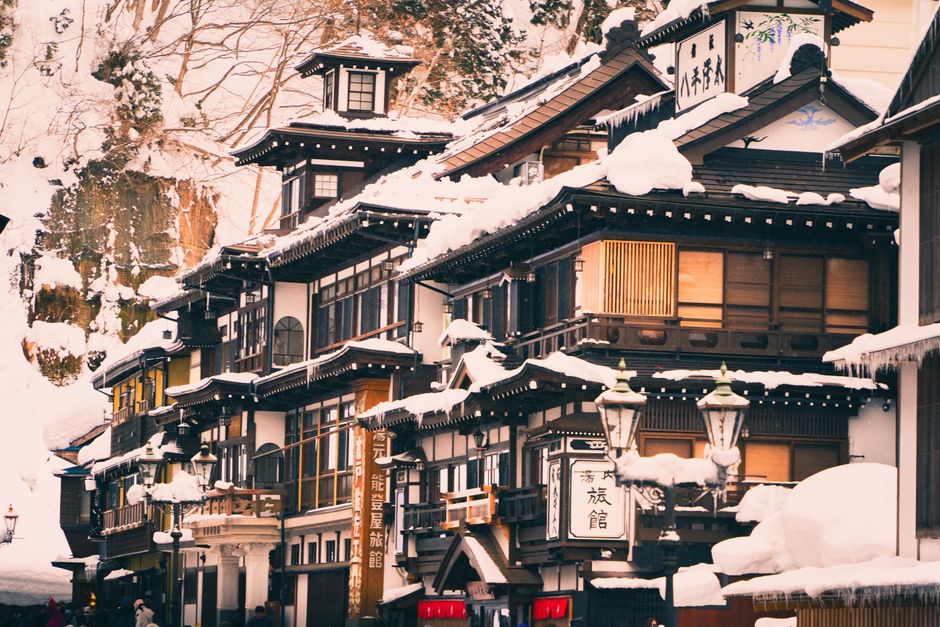
Quaint Japanese buildings covered in snow, showcasing traditional architecture during winter.
Photo by 家豪 陳 on Pexels
The Unbeaten Path
Japan · East AsiaUnbeaten Score: 8/10State Dept Level 1🏛 UNESCO World Heritage

Iwami Ginzan

Silver built empires here, then the forest swallowed everything whole—except the whispers between ancient mineshafts.

Difficulty

Moderate(6/10)

Budget/Day (from)

$50 USD

Best Age Range

30-65

English

Basic

Overview

Iwami Ginzan is a UNESCO World Heritage silver mining complex where you can walk through actual Edo-period mine shafts, wander a preserved merchant town, and experience what a functional historic site feels like when it hasn't been Disneyfied. The Ryugenji Mabu Mine Shaft takes you 157 meters into the mountain through hand-carved tunnels where miners extracted silver that once accounted for a third of the world's supply, and unlike recreated attractions, these are the real tunnels—cold, narrow, and genuinely atmospheric. The adjacent Omori Machinami Area is a 2.3-kilometer stretch of traditional wooden houses, former magistrate offices, and samurai residences that function as cafes, museums, and homes rather than empty stage sets. What makes Iwami Ginzan remarkable is its refusal to cater to mass tourism. There are no tour buses clogging the main street, no souvenir stalls hawking trinkets, and the local government has intentionally kept development minimal to preserve authenticity. You'll need to walk or cycle between sites—the Ginzan area to Omori town is a 45-minute walk—which naturally filters out crowds seeking Instagram efficiency. The Gohyaku Rakan at Rakanji Temple features 500 hand-carved stone statues of Buddha's disciples in a moss-covered grotto that few visitors reach, and the Shimizudani Refinery Ruins sit quietly in the forest, letting you piece together the industrial scale of the operation without interpretive panels spelling everything out. This is a place for travelers who want to understand how a mining town actually worked rather than pose in front of it. The former Kawashima Residence and House of Kumagai Family show merchant wealth without ropes blocking off rooms, while Kanzeonji Temple and Kigami Shrine anchor the spiritual life that balanced the commercial ambitions. If you're coming from the chaos of Kyoto or the lines at Mount Fuji viewpoints, Iwami Ginzan delivers the rare gift of a World Heritage Site you might have largely to yourself—assuming you're willing to walk, read, and engage rather than just photograph and leave.

Why It's Unbeaten

Despite UNESCO World Heritage status since 2007, Iwami Ginzan receives approximately 300,000 annual visitors—95% of them domestic Japanese tourists, mostly retirees on organized bus tours. For context, Kyoto's Kinkaku-ji temple alone sees over 5 million. The reasons are straightforward: no direct train service (you must transfer at Oda Station to a local bus), extremely limited English resources, and location in Shimane Prefecture—statistically Japan's least-visited prefecture for international travelers. The nearest international airport, Hiroshima, is 2.5 hours away. Most foreign visitors to Western Japan stick to the Osaka-Hiroshima-Miyajima corridor; detours to Shimane require sacrificing days from tightly-scheduled itineraries. Additionally, the site is diffuse—seeing everything properly requires hiking, cycling rough terrain, and considerable time rather than quick photo opportunities, which doesn't suit conventional tour groups.

US State DepartmentLevel 1 — Exercise Normal Precautions

Japan is rated Level 1: Exercise Normal Precautions by the US Department of State, indicating it is a safe destination for travelers.

Advisory based on knowledge as of 2026. Always check travel.state.gov for the most current information.

Who Is This Trip For?

Recommended age range: 30-65

Best For

Ages 30-65

History enthusiasts

UNESCO collectors

Off-path explorers

Cultural immersion seekers

Solo travellers

Not Ideal For

May be challenging outside ages 30-65

Those seeking nightlife

Travelers needing English everywhere

Visitors with mobility issues

Those on tight schedules

Getting There

Iwami Ginzan is deliberately remote, which is part of its charm. The nearest airport is Hagi-Ishida (small regional hub) or Hiroshima Airport (2.5 hours away by car). From Hiroshima, take a train or drive west toward Oda city (about 90 minutes); from there, local buses run to Omori, the gateway village (30–40 minutes). If coming from Tokyo, fly to Hiroshima, then navigate onward—it's a 5-6 hour total journey, but the effort filters out casual day-trippers. Renting a car gives flexibility to explore the mountain roads, though local buses and the Iwami Ginzan Guide Service can arrange transport. The final approach winds through cedar forests and rice paddies; this slow arrival is intentional and worth savoring.

Budget Guide

Local CurrencyJapanese Yen (JPY)· 1 USD = 158.90 JPY(Thu, 16 Ap)💳 Japan is largely cash-based; ATMs at 7-Eleven and post offices accept most international cards. Credit cards accepted at major establishments but carry cash for rural areas and small shops

Budget

$50USD / day
7,945 JPY

Budget accommodation (hostels/capsule hotels), local street food, public transport, minimal attractions

Midrange

$120USD / day
19,068 JPY

Mid-range hotels, local restaurants, guided tours, museum entries, regional transport

Splurge

$250USD / day
39,724 JPY

High-end hotels, fine dining, private guides, premium experiences, first-class transport

* USD amounts are approximate. Exchange rates refresh hourly via Frankfurter.

Visa & Entry

US, UK, and EU citizens can visit Japan visa-free for short-term stays of up to 90 days for tourism, business, and conference purposes. Citizens of the United States can also apply online through Japan's e-Visa system for added convenience. The application process takes approximately one week when all required documents are submitted. No visa fee is required for visa-exempt entries, though e-Visa applications may have associated fees.

US

Visa-free or e-Visa
Max stay:90 days

US citizens can apply online for e-Visa or enter visa-free for tourism/business

Apply:Ministry of Foreign Affairs of Japan / Japan e-Visa System

UK

Visa-free
Max stay:90 days

No visa required for short-term stay (tourism, business, conference, study)

Apply:Embassy of Japan in the UK

EU

Visa-free
Max stay:90 days

EU citizens exempt from visa for tourism, business, and short-term stays

Apply:Ministry of Foreign Affairs of Japan

Visa requirements are based on publicly available information and may have changed. Always confirm with the official embassy or consulate before travelling.

Where to Stay

Search for accommodation

The properties below are curated suggestions. You can also search directly on a booking platform.

Search Booking.comSearch Airbnb

Note on contact information: Where available, contact details are sourced from publicly available records and may be out of date.

Iwami Ginzan Youth Hostel$25–50/night
Community-run hostel

Housed in a converted old house in Omori, this place captures the spirit of the site itself. Owners are genuinely knowledgeable about local history and will point you toward hidden corners most visitors miss. Shared meals with other guests happen naturally here.

AddressOmori-cho, Oda City, Shimane Prefecture or null

Omori Machiya Stays (various family-run)$80–150/night
Traditional townhouse rentals

Several families rent out beautifully restored kura (storehouses) and machiya (wooden merchant houses) in the old town area. You'll sleep where Edo-period merchants once lived, with original beams and gardens intact. This is the most atmospheric way to experience Iwami Ginzan's temporal layers.

AddressOmori-cho, Oda City, Shimane Prefecture or null

Hotel Ginzan no Yu$60–90/night
Modest business hotel

A step up in comfort without sacrificing character. Small on-site onsen fed by local springs, and the staff can arrange guides for deeper mine exploration. Good base if you want hot water after a full day of hiking.

Contact details unavailable — try searching online or a booking site.

Search "Hotel Ginzan no Yu" on Booking.com →
Ryokan Kaminishi$120–200/night
Traditional inn

Higher-end option with kaiseki dinner and onsen. Still family-run and intimate—not a corporate chain. The owner's knowledge of local foraging and seasonal cuisine adds genuine value beyond the room.

Contact details unavailable — try searching online or a booking site.

Search "Ryokan Kaminishi" on Booking.com →

What to Do

Walk the Omori Machinami (merchant street)

Stroll the main street lined with 250-year-old wooden houses—many still lived in, some converted to small shops or museums. The scale is human; there's no velvet rope keeping you out. Stop at the Former Kawashima Residence to see how a silver merchant's family actually lived, complete with original furnishings and a small garden.

Explore Ryugenji and Shinkiri mine shafts with a guide

These aren't polished tourist mines; they're the real thing. A local guide (book through Iwami Ginzan Guide Service) takes you into partially restored shafts where silver was extracted by hand for centuries. The air changes, the walls close in, and you genuinely feel the weight of the work that built this place. About 2–3 hours round trip through the forest.

Visit Shimizudani Refinery Ruins

Wander through the scattered stone foundations and channels where ore was processed, nestled in a quiet mountain valley. Very few tourists make it here, and the silence is profound. Bring a picnic and sit with the history for a while.

Climb to Sahime-yama Shrine

A short forest hike leads to this small shrine perched above the ginzan area. Locals still make offerings here. The view down into the valley clarifies why this place mattered so much—you see the terrain that made silver mining possible and brutal.

Explore the Iwami Ginzan World Heritage Center thoughtfully

Resist the urge to rush through; read the English placards slowly and watch the documentary. The exhibits explain the geopolitics of silver (why Japan's supply mattered to the Tokugawa shogunate) in ways that make the ruins outside suddenly vivid. Budget at least 1.5 hours.

Eat dinner with a local family or at a neighborhood restaurant

Ask your accommodation to arrange an introduction to a family meal, or eat at one of the handful of small restaurants run by people who've lived here their whole lives. The food is seasonal, simple, and rooted in what grows around here—not what tourists expect to see.

Where to Eat

Food here isn't about spectacle; it's about terroir and survival. The region grows excellent vegetables, wild mushrooms, and preserves them traditionally. You'll eat pickled mountain vegetables, fresh tofu, and simple grilled fish—the kind of food miners ate, now refined by time. Rice is exceptional. There are no ramen chains or tourist menus; what you eat depends on what's in season and who's cooking.

Izakaya Omori (or similar neighborhood spot)

Small counter or table seating; owner sources daily from local farms and mountains. Order whatever is written on the day's handwritten menu—likely grilled seasonal vegetables, river fish, and house-made tofu. Expect 2,000–4,000 yen for a satisfying meal with local sake.

Kanzeonji Temple meal (if available by arrangement)

Some local temples offer simple vegetarian meals (shojin ryori) if requested a day in advance through your accommodation. It's an intimate way to eat as pilgrims once did, in quiet contemplation.

Convenience store + local bakery combo

Omori has a small convenience store and a local bakery. Grab onigiri, fresh fruit, and local bread, then picnic by the ruins or shrine. Honest, cheap, and oddly perfect for this place.
Language & Culture

Official Language

Japanese

English Spoken

Basic

Simple tourist phrases only in hotels and main attractions — most locals speak no English

📱 Translation app strongly recommended

Cultural Tips

Iwami Ginzan rewards visitors who embrace slow, respectful travel. Remove shoes when entering traditional buildings, ryokans, and temples—look for shoe racks or slipper areas. Bowing is the standard greeting; a small nod is perfectly acceptable for foreigners. The local community takes great pride in their UNESCO heritage, so tread lightly, don't touch artifacts, and avoid loud conversations in historic areas.

Useful Phrases

EnglishLocalPronunciation
Hello
Konnichiwa
kohn-nee-chee-wah
Thank you
Arigatou gozaimasu
ah-ree-gah-toh goh-zah-ee-mahs
How much?
Ikura desu ka?
ee-koo-rah dess kah
Where is...?
...wa doko desu ka?
wah doh-koh dess kah
Excuse me
Sumimasen
soo-mee-mah-sen

Safety & Health

Japan is one of the safest countries in the world for travelers, and Iwami Ginzan is no exception. Violent crime is extremely rare, and petty theft is uncommon even in urban areas. The most notable safety concern flagged by authorities is bear activity in mountainous and rural regions—the US State Department has issued specific guidance about bear encounters. When hiking the historic mining trails around Iwami Ginzan, stay on marked paths, make noise while walking, and be aware of your surroundings, particularly in early morning or late afternoon. No special vaccinations are required for Japan, though routine immunizations should be up to date. Healthcare facilities in Japan are excellent, though English-speaking staff may be limited in rural Shimane Prefecture. The nearest major hospitals are in Hamada or Izumo. Travel insurance with medical evacuation coverage is recommended. Tap water is safe to drink throughout Japan. Summer months bring high humidity and mosquitoes, so bring insect repellent. Earthquakes can occur anywhere in Japan—familiarize yourself with safety procedures upon arrival. The region experiences distinct seasons with hot, humid summers and cold winters with occasional snow. Pack appropriate layers and stay hydrated. Pharmacies (kusuri-ya) stock common medications, though finding English labels can be challenging—bring any prescription medications with documentation.

Best Time to Visit

Spring (April–May) and autumn (September–October) are ideal—mild weather, clear light for photography, and the forest is either fresh green or burning with color. Summer is humid and crowded with school groups; winter is beautiful but harsh and discourages casual visitors.

Spring (April–May)

Cherry blossoms linger into early May; weather is mild and dry; forest trails are lush and alive; other visitors are still minimal

Early May brings some school groups; evening temperatures still cool

Autumn (September–October)

Crisp air, golden light, forest canopy turns red and orange; comfortable walking temperatures; fewer tourists than summer

October can be unpredictably rainy; accommodation fills up weekends

Summer (June–August)

Long daylight hours for exploration; local festivals occasionally happen

Humid and hot; school group tourism peaks in July–August; trails can feel crowded compared to other seasons

Honest Caveats

Iwami Ginzan is not Kyoto. The infrastructure is genuinely sparse—there's one main tourist information center, limited English signage, and you'll need a guide to get the most from the mine shafts. If you want restaurants with English menus or souvenir shops on every corner, you'll be disappointed. The village is aging; many houses are empty or slowly declining, which gives it character but also a slightly melancholy feeling. Winters are cold and wet. Some tourists arrive expecting a polished heritage park and leave feeling the experience is 'incomplete'—but that incompleteness is the point. Also, there's no nightlife, no hotel bars, nowhere to drink cocktails. You come here to think, walk, and sit quietly with history.

Difficulty Breakdown

Overall

6/10

Moderate

Language Barrieri

7/10

Challenging

Logisticsi

7/10

Challenging

Physical Demandi

5/10

Moderate

Infrastructurei

6/10

Moderate

What This Means

Iwami Ginzan presents moderate challenges primarily due to its remote location in rural Japan. While the destination itself is well-preserved and safe, getting there requires planning and flexibility. The reward is an authentic, crowd-free experience at a UNESCO World Heritage Site that most international tourists never reach. Those comfortable with logistical puzzle-solving and embracing language barriers will find it deeply rewarding.

Nearby Destinations Worth Combining

1.5 hours by bus/car

Izumo Taisha
Why combine? ▾

One of Japan's oldest and most sacred Shinto shrines, believed to be where the gods gather annually

2 hours by car

Matsue
Why combine? ▾

Castle town with an original Edo-period castle, samurai district, and scenic boat tours through the moat

3 hours by train

Hiroshima
Why combine? ▾

Peace Memorial Park and Museum, plus gateway to Miyajima Island's iconic floating torii gate

Click any destination to see why it pairs well with Iwami Ginzan.

Location

Map data © OpenStreetMap contributors

UNESCO World Heritageindustrial heritagerural JapanShimane Prefecturesilver miningEdo periodoff-the-beaten-pathtraditional townsmountain templessustainable tourismhiking trailstraditional guesthouses
← Back to all destinations