Guria is where Georgians go when they want to laugh.
This small, forested region in western Georgia has produced the country's most beloved comedians, and its inhabitants are known for their quick wit and singing traditions that blend polyphony with humor. In the regional capital of Ozurgeti, you'll find locals gathering in the shaded courtyard of the Shemokmedi Monastery not for solemn prayer, but for impromptu singing sessions where verses alternate between devotional and playfully irreverent. The region's signature dish, Gurian pie—a kidney-shaped khachapuri filled with cheese, eggs, and tiny fried fish called tsitskili—appears on almost no international Georgian restaurant menus, which tells you everything about how overlooked this place remains.
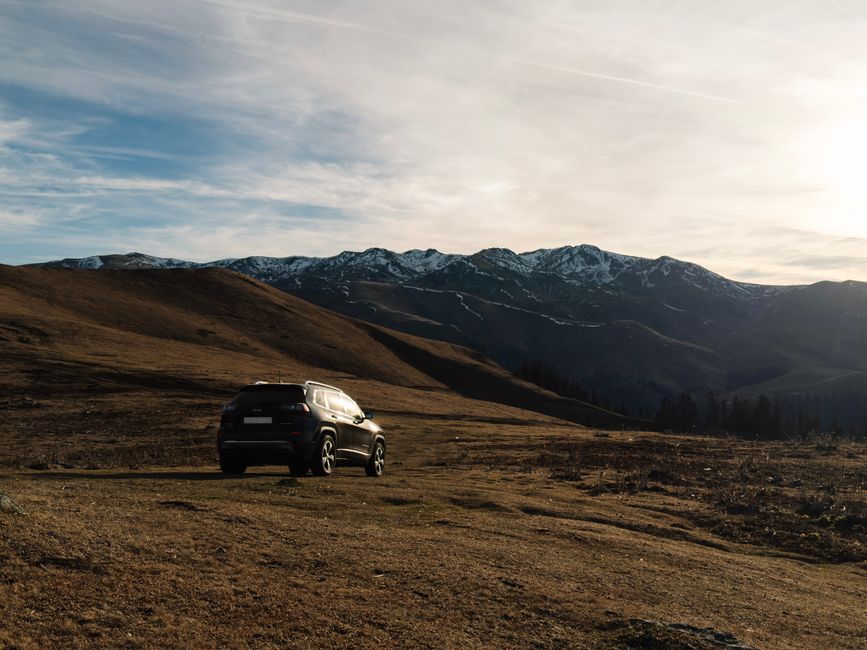
The landscape is a rumpled green quilt of hazelnut orchards and tea plantations descending toward the Black Sea, punctuated by villages where wooden balconies sag under the weight of drying corn and tobacco leaves. Unlike Svaneti's dramatic peaks or Kakheti's manicured vineyards, Guria feels lived-in and functional—this is working agricultural Georgia, not a postcard. The road from Ozurgeti to the village of Shemokmedi winds through forests so thick they create a tunnel effect, opening suddenly onto views of the Choloki River valley. Along these roads, you'll pass hand-painted signs advertising homemade churchkhela and chacha that actually lead to someone's grandmother, not a tourist trap.
Travellers who make it to Guria often stumble here by accident—taking a detour between Batumi and Tbilisi, or following a local's recommendation to visit the Gomismta ski area, Georgia's smallest and scrappiest ski resort where a day pass costs less than a coffee in Europe. What keeps them talking about Guria years later isn't a UNESCO site or an Instagram viewpoint, but the evening they spent in a village supra where the tamada's toasts had everyone crying with laughter, or the morning they watched mist lift off the hazelnut groves while drinking tea so strong it could strip paint. This is Georgia with its guard down, before it learned to perform for visitors.
Photo by Viktoriya Motovilova on Pexels
Why it's Unbeaten
Out of the main current, in the right way.
Guria receives an estimated 300-500 foreign tourists per year compared to Kazbegi's 50,000+ and Tbilisi's million-plus. The region lacks a single sight that photographs well enough for social media algorithms. Polyphonic singing—the primary draw—requires context, patience, and ears trained beyond Spotify playlists. Most importantly, there's virtually no English-language information infrastructure: guesthouse owners don't have booking.com profiles, singing ensembles don't have Facebook pages, and local tourist information exists primarily as a dusty office in Ozurgeti staffed irregularly. The Georgian National Tourism Administration itself barely promotes Guria, focusing resources on mountainous Svaneti and wine country Kakheti. For travelers addicted to advance planning and confirmed reservations, Guria's opacity is insurmountable.
The main event
What you'll actually do in and around Guria Region
01
Tea plantation walks in the Guria Valley
The region produces Georgia's finest tea, and walking through the lush, terraced plantations feels like stepping into a different world. Most guesthouses can arrange morning or afternoon visits where you can actually pick tea leaves alongside workers and taste fresh-brewed leaf at a plantation house. The mist rolling through the valleys in early morning is genuinely magical.
02
Sarpi Beach and the Mtkvari River mouth
This isn't a crowded resort beach—it's a working fishing village where the river dramatically meets the Black Sea, marked by a distinctive concrete lighthouse. The water is cold year-round, but the atmosphere is wonderfully low-key. Grab fresh grilled fish at one of the informal beachside shacks and watch fishermen work.
03
Tsikhisdziri Fortress ruins
Perched on a hill overlooking the Mtkvari valley, these Ottoman-era fortress ruins are rarely crowded and reward a scramble up the overgrown path with sweeping views toward the sea. The fortress feels genuinely abandoned—no gift shops, no explanatory plaques—just history and landscape. It's a 30-minute hike from the village.
04
Village homestay experiences
Spend a night or day in a smaller village like Asureti or Chokhatauri, where you'll stay with a family, eat their food, and participate in daily rhythms. This isn't performative tourism—it's genuinely how people live here. You'll likely leave with a real friendship and a deeper understanding of rural Georgian hospitality.
05
Chateau Mukhrani wine tasting
While Guria isn't known for wine (that's Kakheti's domain), this historic winery produces solid reds and a surprising orange wine. The tasting room is intimate, the owner is passionate, and it's rarely crowded with tour groups. Pair it with local cheese for an afternoon that feels earned rather than scheduled.
06
Ozurgeti town market and bazaar
A genuine working market—not curated for tourists—where locals buy vegetables, spices, and everyday goods. Go early morning when it's most alive, navigate by smell and sound, and grab fresh produce or street food. Chat with vendors; many will be curious about where you're from and happy to show you around.
Taste of Guria Region
Where to eat
Guria's food is deeply rooted in what grows here: tea, citrus, fresh fish from the river and sea, and vegetables from mountain gardens. You'll eat a lot of khachapuri (cheese bread), khinkali (meat dumplings), and fresh grilled fish—but prepared with a simplicity and quality that reflects the region's agricultural wealth. The culture here is less about fancy dining and more about eating well, eating communally, and eating what's in season. Tea time is sacred, and you'll be offered it constantly—always accept.
Sarpi Fishermen's Shacks (Sarpi Beach)Informal beachside spots where fishermen's wives grill the day's catch. Order whatever's fresh (usually sturgeon, mullet, or sea bass), eat it with bread and lemon, and watch the Mtkvari delta. It's cheap ($8-15 per person), authentic, and the experience matters more than the décor.
Natia's Kitchen (Ozurgeti, behind the bazaar)A tiny family kitchen where Natia cooks traditional Gurian food from memory and seasonal ingredients. No menu—she'll ask what you like and make it. Her adjarian khachapuri (boat-shaped cheese bread with an egg on top) is worth planning your day around. Reservations essential; ask your guesthouse to call ahead.
Mtkvari Wine House (Ozurgeti center)Casual spot serving local wines by the glass with simple, excellent food: fresh salads, grilled meats, and khachapuri varieties. The owner curates wines from small producers across Georgia, and he's genuinely happy to talk through what you're drinking. Expect to spend $15-25 for dinner with wine.
02 / The honest read
Is Guria Region your kind of trip?
Best for
+ Off-the-beaten-path seekers
+ Cultural immersion enthusiasts
+ Wine and food lovers
+ Solo travellers
+ Photographers
Think twice if you want
x Luxury seekers
x Those requiring strong English support
x Travellers uncomfortable with transport uncertainty
x Visitors with limited mobility
Effort and reward
Planning
3/5
Physical effort
2/5
Self-reliance
3/5
Scenery
4/5
Culture
5/5
Difficulty breakdown
What "6/10" actually means
Language barrier7/10
English is rarely spoken even in Ozurgeti; Google Translate's Georgian camera function is invaluable, and learning basic Georgian phrases helps enormously.
Logistics7/10
Marshrutkas run infrequently between villages, schedules aren't posted online, and reaching remote sites often requires hitchhiking or hiring local drivers.
Physical demand4/10
Mostly gentle hills and village walking; optional forest hikes and waterfall treks can be moderately strenuous.
Infrastructure5/10
Guesthouses are comfortable but basic; roads to remote villages are often unpaved; electricity and mobile coverage can be spotty in highlands.
Guria rewards adventurous travellers willing to embrace uncertainty. The main challenges are logistical — figuring out transport, communicating with locals, and finding specific sites without signage. Physically it's accessible to most fitness levels, and the welcoming culture means help is always nearby even when infrastructure falls short.
Read this before booking
The honest caveats
Guria is genuinely off-the-beaten-path, which means some infrastructure feels basic by Western standards. Roads are fine, but signage is minimal and often in Georgian only—get offline maps on your phone. English speakers are fewer than in Tbilisi; this is an advantage culturally but makes logistics harder if something goes wrong. The region can feel quiet, even sleepy, which is the whole point—but if you crave energy and nightlife, you'll find it boring. Accommodation quality varies wildly; some guesthouses are genuinely charming, others are just functional. The weather can be unpredictable (humid summers, rainy autumns), and the Black Sea is cold year-round—come for the culture and landscape, not beach swimming.
Safety & health
Guria is one of Georgia's safest regions for travellers, with virtually no crime targeting tourists. The rural, tight-knit communities are welcoming and protective of guests. Road conditions can be challenging on mountain routes, particularly after rain — exercise caution if self-driving and avoid night driving on unpaved roads. Georgia's occupied territories (South Ossetia and Abkhazia) are far from Guria and pose no direct concern for visitors to this region.
No special vaccinations are required for Georgia, though ensuring routine vaccinations are current is recommended. Tap water in Guria is generally safe but stick to bottled water in remote villages to be cautious. Medical facilities are basic — Ozurgeti has a regional hospital for emergencies, but serious medical issues require transfer to Batumi or Tbilisi. Travel insurance with medical evacuation coverage is strongly advised.
Tick-borne diseases exist in forested areas, so use repellent and check for ticks after hiking. The humid subtropical climate means mosquitoes are present in summer — bring repellent. Pharmacies in Ozurgeti stock basic medications, but bring any prescription drugs you need from home.
Official advisoryLevel 1
The US State Department rates Georgia at Level 1 — Exercise Normal Precautions — for the country as a whole, though specific regions carry higher advisory levels.
Advisories change. Verify with the US State Department before travelling. Last reviewed: 2026.
03 / Make it real
Plan the trip
April-May (Spring)
Why go: Landscapes are green and lush, wildflowers are blooming, temperatures are mild (15-20°C), and tea plantations are actively growing. It feels alive without being crowded.
Watch for: Rain is frequent and sometimes heavy; plan indoor activities as backup. Mosquitoes can be annoying near the river.
June-August (Summer)
Why go: Warmest season with the most reliable sunshine. Beach is most swimmable (though still cold). Longest daylight hours mean more time to explore.
Watch for: Humid and occasionally oppressive. You'll encounter the few tourists who've found their way here. Some plantations close for maintenance during peak heat.
September-November (Autumn)
Why go: Perfect weather (18-22°C), tea harvest creates energy and employment in villages, fewer tourists, and the landscape is still lush. This is when locals say the region is most itself.
Watch for: Rain increases as you move into November. September can still be warm and slightly humid. Some smaller accommodations may close by late November.
Getting there
Getting there
The easiest entry is Kutaisi International Airport (about 30km north of Guria), which has direct flights from Tbilisi, Istanbul, and several European cities. From Tbilisi's main train station, you can take a marshrutka (shared minibus) directly to Ozurgeti, the region's main hub—it's about 4-5 hours, costs $10-15, and is genuinely the most Georgian travel experience you'll have. Alternatively, rent a car in Tbilisi or Kutaisi; the drive is straightforward and gives you freedom to explore smaller villages. Once in Ozurgeti, everything is accessible by local marshrutka, taxi, or on foot—the region is compact and unhurried. The final leg from any transport hub to your accommodation usually involves a short taxi ride (negotiate beforehand; expect $3-8).
Visa & entry
Entry requirements
US, UK, and EU citizens can enter Georgia visa-free for up to 90 days within any 180-day period, provided they hold a valid passport. Citizens of EU Member States may alternatively enter with a national ID card that includes name, surname, date of birth, and photo. As of January 1, 2026, all foreign nationals entering Georgia are required to hold travel medical insurance with a minimum coverage of 30,000 GEL (approximately 11,000 USD or €11,000) for the duration of their stay. This mandatory insurance requirement applies to all visitors regardless of nationality.
PassportRequirementMax stayDetails
USVisa-free90 days within any 180-day periodValid passport required. Mandatory travel insurance (€30,000 minimum) required as of January 2026. Official portal
UKVisa-free90 days within any 180-day periodValid passport required. Mandatory travel insurance (€30,000 minimum) required as of January 2026. Official portal
EUVisa-free90 days within any 180-day periodValid passport or national ID card accepted. Mandatory travel insurance (€30,000 minimum) required as of January 2026. Official portal
Requirements may change. Confirm with the relevant embassy or official immigration authority before booking.
Daily budget
What it costs once you're there
USD per person/day, double occupancy, excluding international flights (2026-06-16)
Budget$85Includes lodging $15, food $25, activities $25, local transport $20. Lodging anchored to Hotel Ozurgeti Palace. medium confidence
Midrange$170Includes lodging $30, food $35, activities $60, local transport $45. Lodging anchored to Sarpi Beach Resort (Sarpi). medium confidence
Splurge$305Includes lodging $25, food $60, activities $130, local transport $90. Lodging anchored to Tsikhisdziri Eco-Lodge. medium confidence
Base yourself well
Where to stay
Search live availability
Use the curated stays below as a starting point, then compare current inventory and prices.
Run by a retired Georgian couple who actually know the region inside out and will steer you toward real experiences, not tourist traps. Simple, clean rooms with home-cooked breakfast included—their khachapuri is reason enough to stay. The owner speaks some English and can arrange village visits and tea plantation tours.
Mid-range beach hotel$60-90/night
Sarpi Beach Resort (Sarpi)
Right where the Mtkvari River meets the Black Sea, with direct beach access and a restaurant serving fresh fish daily. It's more developed than other Guria options but still feels low-key compared to tourist beach resorts elsewhere. Good base if you want to split time between tea country and the coast.
Eco-friendly lodge$50-75/night
Tsikhisdziri Eco-Lodge
Small, thoughtfully designed lodge set among tea plantations with views toward the Caucasus. Operates like a working farm experience where you can participate in tea picking or just sit on the terrace with local wine. Meals are hyper-local and prepared with vegetables from their own garden.
Budget hotel$25-40/night
Hotel Ozurgeti Palace
Central location, no frills, but genuinely friendly staff and a good meeting point for other travelers. The ground-floor restaurant serves solid Georgian comfort food and is where locals gather, making it easy to strike up conversations.
Language, useful phrases, and cultural notes +
Georgian / English: Basic
Simple tourist phrases only in hotels and main attractions - most locals speak no English. Translation app strongly recommended
Gurians are renowned throughout Georgia for their hospitality, quick wit, and love of feasting — expect to be invited into homes and pressed to eat and drink far more than you planned. Remove shoes when entering homes and always accept offered food and wine graciously, as refusal can cause offense. The region has strong wine-making traditions; toasting rituals are elaborate and heartfelt.
Helloგამარჯობა (Gamarjoba)gah-mar-JO-bah
Thank youმადლობა (Madloba)mahd-LO-bah
How much?რა ღირს? (Ra ghirs?)rah GHEERS
Where is...?სად არის...? (Sad aris...?)sahd AH-rees
Excuse meუკაცრავად (Uk'atsravad)oo-kats-rah-VAHD
04 / Keep going
Nearby & beyond
45 minutes by marshrutka
Batumi
Georgia's Black Sea resort capital offers beaches, bold architecture, and nightlife — a striking contrast to rural Guria.
30 minutes by marshrutka
Kobuleti
A laid-back beach town with a long pebbly shore, perfect for combining coastal relaxation with Guria exploration.
1.5 hours by car
Samegrelo Region
Visit the ancient Martvili Canyon, Nokalakevi fortress ruins, and taste the region's famously spicy cuisine.
2 hours by marshrutka
Kutaisi
Georgia's second city features the stunning Bagrati Cathedral, Gelati Monastery (UNESCO), and Prometheus Cave.
Map data OpenStreetMap contributors
Coordinates41.9431, 42.0972Filed under
UNESCO heritagepolyphonic singingvillage tourismGeorgian cultureoff-the-beaten-path GeorgiaCaucasus travelauthentic travelethnomusicologyGuriaOzurgetihomestay travelwine culture