Overview
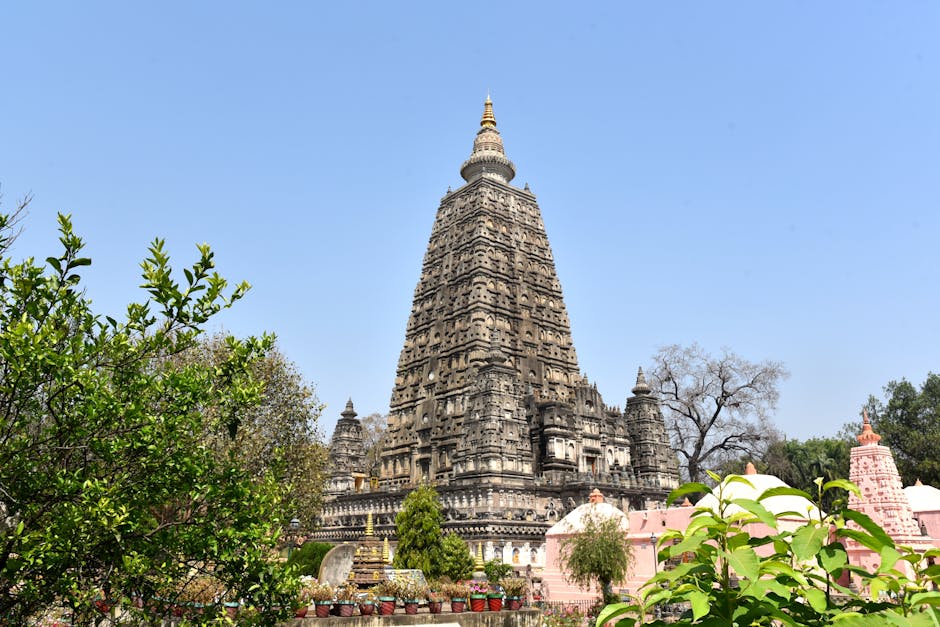
Gaya is not a place that seduces you with prettiness. It's dusty, unpolished, and refreshingly indifferent to your Instagram feed — and that's precisely why it rewards the curious traveller. This is where Siddhartha Gautama sat beneath a pipal tree and became the Buddha, making Bodh Gaya (just 16 km south) one of the most spiritually significant sites on Earth. The Mahabodhi Temple Complex, with its soaring 50-metre brick spire rising from the 5th century, stands as one of the earliest Buddhist temples still intact in India. Walk the seven sacred sites marking the Buddha's first week of enlightenment, and you'll find yourself among Sri Lankan monks in saffron robes, Tibetan pilgrims spinning prayer wheels, and Japanese devotees in quiet prostration — a genuinely global congregation, yet rarely the package-tour crowds that swamp other holy sites. But Gaya itself — the older Hindu city — operates on an entirely different spiritual frequency. This is where Hindus come to perform pind daan, funeral rites that release ancestral souls from the cycle of suffering. During pitripaksha (September-October), thousands gather along the seasonal Phalgu River for two intense weeks of ritual. The Vishnupad Temple, built around what's believed to be Lord Vishnu's footprint in solid rock, hums with this particular devotion year-round. Climb the Brahmayoni hillock for a bird's-eye view of the plains stretching toward the Ganges, or ascend to Mangla Gauri Temple — one of India's most sacred Shakti peeths — where the air feels thinner and the faith feels older. Travellers who find their way here speak of a rawness that's increasingly rare in India's religious circuit. There are no sanitized visitor centers, no audio guides, no queue management systems. You navigate by instinct and the kindness of priests who've performed the same rituals for generations. The town won't coddle you — it's polluted, chaotic, and demands patience — but it offers something harder to find: the unmediated encounter with living faith, both Buddhist and Hindu, layered over millennia in the same red soil.
Why It's Unbeaten
Gaya lives in the shadow of its famous neighbour Bodh Gaya, 16 km away — the actual UNESCO World Heritage site where Buddha attained enlightenment. Most Buddhist pilgrims and curious travellers rush straight to the Mahabodhi Temple Complex and skip Gaya entirely, treating it as a transit point rather than a destination. But Gaya itself is an ancient pilgrimage city with its own spiritual significance: it's where Hindus come to perform sraddha (ancestor worship rituals) at the Vishnupad Temple, one of India's most sacred sites. This is not a place optimized for Western tourism; there are no heritage hotels with rooftop restaurants overlooking temples, no Instagram-friendly cafés. What you get instead is the real thing — a working pilgrimage city where spiritual practice happens on a daily, unperformed basis.
Gaya is a safe destination for tourists with standard travel precautions.
Advisory based on knowledge as of 2024. Always check travel.state.gov for the most current information.
Who Is This Trip For?
Recommended age range: All ages
Ages All ages
✓ Pilgrims and spiritual seekers
✓ History enthusiasts
✓ Buddhist and Hindu devotees
✓ Slow travellers
✓ Solo explorers seeking meaning
✗ Party and nightlife travellers
✗ Luxury resort seekers
✗ Beach holiday makers
Getting There
The nearest major airport is Patna (Jay Prakash Narayan International, 115 km north), which has flights from Delhi, Mumbai, and Bangalore. From Patna, a taxi to Gaya costs around ₹2,500–3,500 and takes 2.5–3 hours. The more economical option is the train: Gaya has a major railway station with direct connections from Delhi (12–14 hours), Kolkata (6–7 hours), and Patna (2–3 hours). Trains like the Rajendra Express and various express services run regularly. Once in Gaya town, autorickshaws and shared tempos connect you to local temples and Bodh Gaya. For Bodh Gaya itself, it's a 40-minute drive or ₹300–400 by auto. If you're coming from Bodh Gaya, buses run frequently between the two towns for under ₹50.
Budget Guide
Budget
$35USD / day≈ 3,310 INR
Budget travellers can expect to spend $5–8 on basic local meals (dhabas, street food), $8–15 on basic guesthouses, and $5–10 on local transport and sightseeing
Midrange
$75USD / day≈ 7,093 INR
Midrange visitors typically spend $12–18 on good restaurant meals, $25–40 on mid-range hotels, and $10–15 on activities and guided tours
Splurge
$150USD / day≈ 14,186 INR
Luxury travellers budget $30–50 for fine dining, $60–100 for upscale hotels, and $20–30 for private tours and premium experiences
* USD amounts are approximate. Exchange rates refresh hourly via Frankfurter.
Visa & Entry
US, UK, and EU citizens require a visa to enter India. Visas can be obtained through the Indian embassy or consulate in your home country, or via the e-Visa portal (https://indianvisaonline.gov.in), which is the fastest and most convenient option for most travellers. The e-Visa is typically processed within 72 hours and allows entry through designated airports and land borders. Standard tourist visas are valid for 6 months to 1 year depending on your nationality and the type issued. Ensure your passport is valid for at least 6 months beyond your intended stay.
US
e-Visae-Visa is single entry; alternative tourist visas available via embassy for longer stays
UK
e-Visae-Visa available; standard visas also obtainable through Indian High Commission London
EU
e-Visae-Visa applicable to most EU nationals; check specific embassy requirements for your country
Visa requirements are based on publicly available information and may have changed. Always confirm with the official embassy or consulate before travelling.
Where to Stay
Search for accommodation
The properties below are curated suggestions. You can also search directly on a booking platform.
Note on contact information: Where available, contact details are sourced from publicly available records and may be out of date.
Located directly opposite Gaya railway station, which is convenient for arrivals and departures. Basic but clean rooms with attached bathrooms; the on-site multicuisine restaurant is useful if you're arriving late. Don't expect luxury, but it's honest and practical for a 1–2 night stay.
Contact details unavailable — try searching online or a booking site.
Search "Hotel Ajatsatru" on Booking.com →Located on Swarajpuri Road with a restaurant and banquet facilities. More comfortable than budget options, though it caters to both tourists and local events. Decent for a short pilgrimage stay with basic amenities and adequate service.
Contact details unavailable — try searching online or a booking site.
Search "Heritage Inn" on Booking.com →A reliable option in the town centre with decent rooms and standard Indian hotel service. Useful base for exploring Gaya's temples and making day trips to Bodh Gaya.
Contact details unavailable — try searching online or a booking site.
Search "Sidharata International" on Booking.com →What to Do
The spiritual heart of Gaya, this temple houses the sacred footprint of Lord Vishnu. Unlike Bodh Gaya's Buddhist significance, this is where Hindu pilgrims come year-round to perform sraddha rituals for deceased relatives — you'll witness authentic religious practice, not tourism theatre. The temple sits beside the Falgu River, and the atmosphere is intensely devotional, especially mornings and evenings.
A UNESCO World Heritage site 16 km south, this is one of the four holiest Buddhist pilgrimage destinations and where Buddha achieved enlightenment under the Bodhi Tree. The 50-metre brick temple from the 5th–6th century is one of the earliest entirely brick temples still standing in India. It's a day trip from Gaya, essential for understanding the region's spiritual geography.
Perched on a hilltop, this temple dedicated to Mangla Gauri (Parvati) is one of India's most revered Shakti Peethas and offers panoramic views of the plains. The ascent is steep but rewarding; the temple complex is less crowded than major pilgrimage sites and gives you space to absorb the landscape and spiritual energy.
These two elevated spots provide bird's-eye views of Gaya's landscape and surrounding plains. They're less frequented than the main temples but offer quiet vantage points for photography and contemplation. Brahmayoni in particular has religious significance and is worth climbing for sunrise views.
Spend time at the ghats (steps) along the Falgu River, particularly near Vishnupad Temple, where you'll observe pilgrims performing daily worship and ritual bathing. This is where the rhythm of the city's spiritual life becomes visible — early mornings are best for an unrushed experience.
Where to Eat
Gaya's food culture is dominated by vegetarian sweets and snacks that are local specialities found nowhere else in India. These aren't restaurant dishes but rather items you buy from dedicated sweet shops, often as offerings or gifts. The sweets — Enursa, Tilkut, and Lai — are dense, flavourful, and worth trying even if you're not usually a sweets person. Beyond sweets, the city has basic vegetarian and non-vegetarian dhabas serving standard North Indian thali and simple curries. Restaurants here are functional, not culinary destinations; eat to sustain yourself between temple visits rather than expecting memorable meals.
These are the two most famous sweet shops in Gaya, specializing in Enursa, Tilkut, and Lai — local confections you cannot find elsewhere. Buy a small box of each as a proper local experience; they're affordable (₹100–200 for a decent assortment) and make good gifts or snacks for the journey onward.
Located near Tower Chowk on K.P. Road, Paprika claims to be vegetarian fine dining but is more accurately described as a clean, family-friendly diner. It's useful if you want something slightly more hygienic and less chaotic than typical roadside dhabas, though don't expect sophistication. Good for lunch or dinner between temple visits.
The on-site restaurant at your potential accommodation offers multicuisine food (vegetarian and non-vegetarian). It's convenient for breakfast or dinner without leaving the hotel, and the food is competently prepared if unremarkable. Use it as a reliable fallback rather than a culinary destination.
Language & Culture
Official Language
Hindi
English Spoken
Basic
Simple tourist phrases only in hotels and main attractions — most locals speak no English
📱 Translation app strongly recommended
Cultural Tips
Gaya is a sacred Hindu pilgrimage site; show respect when visiting temples and religious areas, and dress modestly. Remove shoes before entering temples and shrines. The local culture is deeply rooted in spirituality; be mindful and respectful during prayer times. Street vendors and shop owners appreciate basic courtesy and polite haggling is acceptable in markets.
Useful Phrases
Safety & Health
Gaya is generally considered safe for tourists, with a well-established tourism infrastructure. Standard precautions apply: avoid walking alone at night, keep valuables secure, and be cautious with street food if your stomach is sensitive. Petty theft can occur in crowded areas such as the train station and busy markets. Medical facilities are adequate in central Gaya; however, serious medical emergencies may require travel to Patna. Vaccinations recommended include hepatitis A, typhoid, and routine immunisations. Malaria and dengue fever are present; use insect repellent and consider antimalarial prophylaxis if visiting during monsoon months. Tap water is not safe to drink; use bottled water. Respiratory issues may occur during winter due to air pollution in the broader region.
Best Time to Visit
The best time to visit is October to November (post-monsoon, pre-winter), when the weather is mild and pilgrimage seasons draw energy to the temples. December to February is also pleasant but slightly cooler. Avoid May to July (extreme heat and monsoon humidity) and August to September (heavy rain).
✓ Cool, clear weather (20–30°C); pilgrimage activity peaks around Diwali and post-Diwali, bringing energy and religious ceremonies to the temples; good visibility for photography at hilltop temples
✗ Accommodation fills up quickly and prices rise; streets are more crowded; not ideal if you prefer solitude
✓ Pleasant temperatures (10–25°C), low humidity, fewer crowds than autumn, good for walking and exploring at leisure
✗ Early mornings and evenings are cold; some pilgrimage momentum has passed; less vibrant atmosphere than autumn
✓ Fewer tourists, lower accommodation prices, greenery after monsoon (June–September)
✗ Extreme heat (35–40°C+) in May–June makes daytime exploration exhausting; monsoon rain (July–September) causes flooding, muddy paths, and waterlogged streets; humidity is oppressive; some temples may have reduced hours
Honest Caveats
Gaya is not a comfortable travel destination in the Western sense. Infrastructure is basic: roads are potholed, streets are crowded and chaotic during pilgrimage seasons, and English is spoken minimally outside hotels and tourist areas. The city is genuinely pilgrimage-centric, which means accommodation and food are designed for Indian pilgrims on tight budgets, not international travellers expecting comfort. Expect noise, pollution, and constant religious activity — if you're seeking peace and quiet, you'll be disappointed. The city can feel overwhelming on first arrival, especially if you arrive by train during rush hours. Hygiene standards in budget accommodations and street food are below what many Western travellers are used to. Water quality is questionable; bring bottled water or water purification tablets. Medical facilities are limited; serious health issues require travel to Patna. During major pilgrimage seasons (October–November, and certain Hindu festivals), the city becomes extremely crowded, accommodation books up, and prices rise. If you're uncomfortable with overt religious observation, sustained noise, and the absence of tourist amenities, this is not your destination. Come here for spiritual or cultural immersion, not comfort.
Difficulty Breakdown
Overall
3/10
Easy
Language Barrieri
4/10
Easy
Logisticsi
3/10
Easy
Physical Demandi
2/10
Very Easy
Infrastructurei
2/10
Very Easy
What This Means
Gaya is a moderately accessible destination for spiritual and historical travellers. While infrastructure is basic and language barriers exist, its proximity to world-class UNESCO sites and well-trodden pilgrimage routes make navigation manageable. The steep language barrier is offset by extensive pilgrimage networks where travellers can follow established paths and connect with guide services.
Nearby Destinations Worth Combining
Click any destination to see why it pairs well with Gaya.
Location
Map data © OpenStreetMap contributors