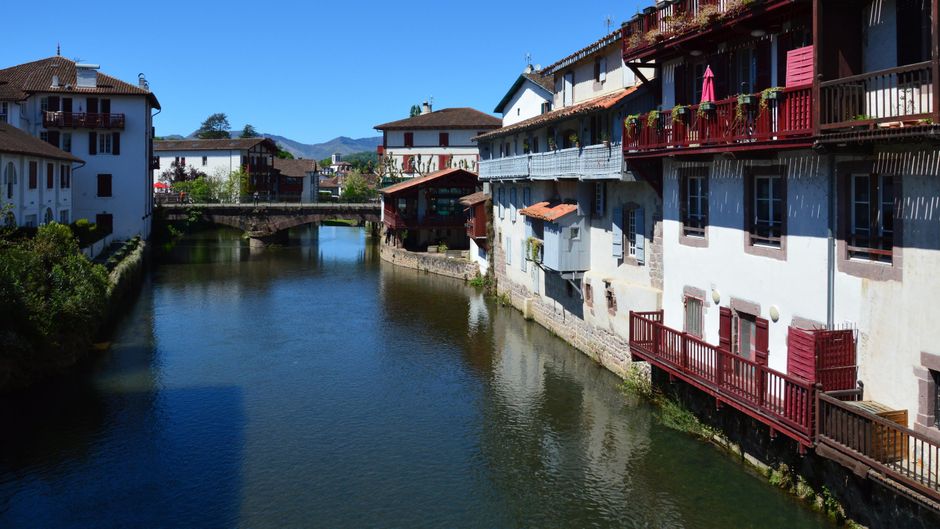
Scenic view of a canal lined with traditional Basque architecture in Saint-Jean-Pied-de-Port, France.
Photo by SlimMars 13 on Pexels
The Unbeaten Path
France · Southern EuropeUnbeaten Score: 8/10State Dept Level 2

Collégiale Saint-Léonard de Noblat

This 11th-century pilgrimage church holds the iron chains of freed medieval prisoners, hung as thank-offerings to their patron saint.

Difficulty

Easy(4/10)

Budget/Day (from)

$60 USD

Best Age Range

35-70

English

Basic

Overview

Here's something you don't expect in a small Limousin town: a Romanesque church so architecturally significant it made UNESCO's list as part of the Routes of Santiago de Compostela. The Collégiale Saint-Léonard dates from the 11th and 12th centuries, and what sets it apart isn't just its age—it's the purity of its Romanesque form, relatively untouched by later remodeling that sanitized so many medieval churches. The bell tower alone is worth the trip: a masterpiece of Limousin Romanesque architecture that somehow balances strength with grace. Step inside and you'll find yourself in that rare kind of sacred space that feels genuinely old, not restored into sterility. The light filters differently here, and the stone carries centuries in a way that's palpable. What makes this place even more remarkable is its context: Saint-Léonard-de-Noblat remains a working town, not a museum piece. After you've explored the collegiate, the narrow streets radiating outward reveal half-timbered houses and stone façades that form an organic medieval streetscape—the kind where you can actually imagine daily life across the centuries. The real gift of this place is what it isn't. It isn't mobbed with tour buses. It isn't lined with souvenir shops selling miniature Eiffel Towers. It's simply a beautiful, historically important church in an authentic French town where you can sit in a local café afterward and process what you've just seen without fighting crowds. Travelers who make it here tend to feel like they've stumbled onto something they weren't supposed to know about—which, in a way, they have.

Why It's Unbeaten

Saint-Léonard-de-Noblat sits in the shadow of better-known Limousin destinations like Limoges and Rocamadour, which means it draws a fraction of the coach tours and Instagram crowds. Most tourists heading to this region are chasing either porcelain factories or dramatic cliff-side châteaux—they miss this quiet medieval town entirely. What makes it unbeaten is precisely that: a 11th-century Romanesque collegiate church of genuine UNESCO-listed significance, narrow half-timbered streets, and a functioning town where locals outnumber visitors, yet it remains largely undiscovered outside France.

US State DepartmentLevel 2 — Exercise Increased Caution

Exercise Increased Caution due to terrorism risk and civil unrest (protests and strikes in Paris and major cities).

Advisory based on knowledge as of 2025. Always check travel.state.gov for the most current information.

Who Is This Trip For?

Recommended age range: 35-70

Best For

Ages 35-70

Architecture enthusiasts

Religious history buffs

Slow travel devotees

Francophiles seeking authentic France

Camino de Santiago pilgrims

Not Ideal For

May be challenging outside ages 35-70

Nightlife seekers

Non-French speakers uncomfortable with language barriers

Travelers dependent on public transport

Those seeking luxury amenities

Getting There

The nearest major airport is Limoges-Bellegarde (LBL), roughly 40km north—allow 45 minutes by rental car or taxi. Train connections run to Limoges from Paris (3.5 hours) and other regional hubs; from there, you'll need a car or local bus service (check SNCF connections—they're infrequent). The final leg matters: rent a car if you're staying more than one night, as local transport is sparse and the surrounding Limousin countryside rewards driving. If coming by bus, expect longer journey times and plan around limited schedules.

Budget Guide

Local CurrencyEuro (EUR)· 1 USD = 0.85 EUR(Thu, 16 Ap)💳 France is increasingly cashless; credit/debit cards are widely accepted in cities and tourist areas. ATMs are readily available. Carry some cash for small vendors and rural areas. Contactless payment is common. Notify your bank of travel dates to avoid card blocks.

Budget

$60USD / day
51 EUR

Budget accommodation (hostels, small family-run hotels) €50–70/night; self-catering meals and local cafés €20–30/day; free or low-cost attractions (churches, parks, local markets)

Midrange

$120USD / day
102 EUR

Mid-range hotels €80–120/night; restaurant meals and local dining €40–60/day; paid museum entries €10–15; regional transport and activities

Splurge

$250USD / day
212 EUR

4-star or boutique hotels €180–250+/night; fine dining €80–150/meal; private tours, premium wine tastings €50–100+; luxury transport and experiences

* USD amounts are approximate. Exchange rates refresh hourly via Frankfurter.

Visa & Entry

US citizens do not require a visa to enter France for tourism or business purposes and may stay visa-free for up to 90 days within a 180-day period. However, all US travelers must register with the ETIAS (European Travel Information and Authorization System) before arrival, which is an automated system similar to ESTA. UK and EU citizens also enjoy visa-free entry for 90 days; UK citizens must similarly register with ETIAS post-Brexit. A valid passport issued within the last 10 years and valid for at least 3 months beyond your intended departure date is required for all nationalities.

US

Visa-free (ETIAS registration required)
Max stay:90 days within 180 days

ETIAS registration (automated, online) required before travel. Emergency passports (12-page) are not accepted for entry.

Apply:ETIAS Central System / US Embassy France

UK

Visa-free (ETIAS registration required)
Max stay:90 days within 180 days

Post-Brexit, UK citizens require ETIAS registration. Valid passport required, valid for at least 3 months beyond departure.

Apply:ETIAS Central System / Embassy of France

EU

Visa-free
Max stay:Unlimited (Schengen area freedom of movement)

EU/EEA citizens benefit from freedom of movement within Schengen. Valid national ID or passport required.

Apply:Schengen Area / France-Visas

Visa requirements are based on publicly available information and may have changed. Always confirm with the official embassy or consulate before travelling.

Where to Stay

Search for accommodation

The properties below are curated suggestions. You can also search directly on a booking platform.

Search Booking.comSearch Airbnb

Note on contact information: Where available, contact details are sourced from publicly available records and may be out of date.

Logis Hôtel de la Paix$50-90/night
Family-run small hotel

A traditional French logis located in the heart of town with direct views of the collegiate church. Simple but clean rooms, run by locals who know the region well. The breakfast is basic but the location is unbeatable for exploring on foot.

AddressPlace du Champ de Mars, Saint-Léonard-de-Noblat

Chambres d'hôtes du Vieux Logis$40-70/night
B&B / Guesthouse

A restored 15th-century half-timbered house offering 3-4 guest rooms with period character. Breakfast features local produce and jams. Perfect for travellers wanting authenticity without pretense.

Contact details unavailable — try searching online or a booking site.

Search "Chambres d'hôtes du Vieux Logis" on Booking.com →
La Maison de Saint-Léonard$70-120/night
Boutique guesthouse

A carefully renovated stone house in the medieval quarter with exposed beams and antique furnishings. Small number of rooms means personal attention; hosts offer local knowledge. Worth the extra cost for travellers seeking character.

Contact details unavailable — try searching online or a booking site.

Search "La Maison de Saint-Léonard" on Booking.com →
Camping les Portes de Limousin$20-40/night
Campsite

Three kilometers from town, well-maintained with pitches for tents and caravans. Basic but reliable option for budget travellers; a short walk or drive into the centre.

Contact details unavailable — try searching online or a booking site.

Search "Camping les Portes de Limousin" on Booking.com →

What to Do

Collégiale Saint-Léonard (UNESCO-listed church)

The building itself is the point: a masterpiece of Romanesque architecture with an octagonal bell tower visible for kilometres. Step inside to see the proportions—the nave is genuinely moving. Spend 30-45 minutes; if you visit mid-week morning, you'll have it nearly to yourself.

Wander the medieval streets around Place du Champ de Mars

The streets immediately south and west of the church contain the best preserved half-timbered houses. This isn't a manicured tourist zone—it's a living neighbourhood where residents go about their day. Photograph the timber-frame details and corner turrets; get lost deliberately.

Visit the pilgrimage heritage museum (Musée de la Châsse)

Small but focused museum explaining Saint-Léonard's importance as a medieval pilgrimage site. The exhibits are in French, but visual displays on religious reliquaries and pilgrimage routes are clear enough. Gives essential context to why this town mattered historically.

Walk the Limousin countryside trails

The tourist office provides marked walking routes (3-8km) through rolling farmland and woodland surrounding the town. The landscape is gentle, not dramatic, but genuinely peaceful. Early morning walks reward you with silence and occasional encounters with local hikers.

Visit the old market hall (Halle aux Grains)

A 19th-century covered market structure still in use on weekends. Local producers sell cheese, vegetables, and regional specialities. Not a manufactured tourist market—real locals shopping. Go Saturday morning for the best selection.

Day trip to nearby Rocamadour or Collégiale d'Egletons

If Saint-Léonard feels too quiet, Rocamadour is 1.5 hours south (but expect crowds). Alternatively, the Collégiale d'Egletons, 40 minutes west, offers similar Romanesque architecture without the tourist machinery. Both are easy drives.

Where to Eat

Saint-Léonard's food is solidly Limousin regional cuisine: chestnuts, duck, walnut oil, and fresh produce from the surrounding countryside. Don't expect Michelin restaurants or fusion cooking. Instead, look for simple, honest plates that reflect what locals eat. Weekend lunches are your best bet—many places close Monday or Tuesday evenings. Budget €15-25 for a main course in casual settings.

Le Saint-Léonard (or similar family bistro near the church)

Order duck confit or local chestnut soup if available. The wine list is short but focused on Limousin and Southwest wines at fair prices. Service is warm but unhurried—plan for a full two hours for lunch.

Local boulangerie (name varies)

Buy a pain aux noix (walnut bread) and croissants for breakfast or picnic lunch. The quality is noticeably higher than chain bakeries; the walnut bread is specific to the region and worth seeking out.

Farmers market (Saturday mornings, Halle aux Grains)

Pick up local cheese (Limousin cow's milk cheese), walnuts, and chestnut products. Ideal for assembling a proper picnic lunch to eat by the collegiate church or on countryside walks.

Language & Culture

Official Language

French

English Spoken

Basic

Simple tourist phrases only in hotels and main attractions — most locals speak no English

📱 Translation app strongly recommended

Cultural Tips

This is deep provincial France where traditional customs remain strong. Greet shopkeepers with 'Bonjour' when entering and 'Au revoir' when leaving—it's considered rude not to. The midday meal is sacred; expect most shops to close from 12:00-14:00. Saint-Léonard is famous for its annual fête celebrating the patron saint of prisoners, reflecting the town's pilgrimage heritage on the Way of St. James.

Useful Phrases

EnglishLocalPronunciation
Hello
Bonjour
bohn-ZHOOR
Thank you
Merci
mehr-SEE
How much?
C'est combien?
say kohm-BYEHN
Where is...?
Où est...?
oo EH
Excuse me
Excusez-moi
ex-koo-zay MWAH

Safety & Health

Saint-Léonard-de-Noblat is an exceptionally safe destination typical of rural France. The US State Department maintains a Level 2 advisory for France overall due to terrorism concerns and potential civil unrest in major cities, but these risks are virtually non-existent in this quiet Limousin town. Petty crime is rare, though standard precautions apply—don't leave valuables visible in parked cars, especially in tourist parking areas. No special vaccinations are required for France. The European Health Insurance Card (EHIC) or UK Global Health Insurance Card (GHIC) provides coverage for EU/UK citizens. US travelers should have comprehensive travel insurance. The nearest hospital is Centre Hospitalier in Limoges, about 25 minutes away. The town has a pharmacy and local doctors. Tap water is safe to drink throughout France. The main physical consideration is the medieval town's cobblestone streets and hilly terrain, which can be challenging for those with mobility issues. Summer heat can be intense in the Limousin region (July-August), so bring sun protection and stay hydrated when exploring the Romanesque architecture.

Best Time to Visit

Spring and autumn offer the best balance: pleasant weather, fewer tourists, and the landscape showing genuine character without summer heat or winter grey.

April–May (Spring)

Wild flowers in the countryside, comfortable walking weather (15-18°C), locals are out after winter, farmers market is full. Tourist season hasn't started, so accommodation and restaurants feel authentic.

Rain is frequent; pack waterproofs. Some rural accommodation may only open seasonally—book ahead.

September–October (Autumn)

Warm, dry days (18-22°C), harvest season means excellent farmers market produce, walking is ideal. Tourist crowds have dispersed but services remain open. Colours in the surrounding forests are subtle but pleasant.

Shorter daylight hours mean fewer evening options. Some visitors find the quietness melancholy rather than peaceful.

July–August (Summer)

Warm, reliable weather. All accommodation and restaurants open. Longer daylight for evening walks.

Peak season brings more tourists (though still nothing like major destinations). Countryside can feel dry; some charm is lost. Prices are highest and accommodation should be booked well ahead.

Honest Caveats

Saint-Léonard is genuinely quiet—perhaps too quiet for some travellers. If you're seeking vibrant nightlife, multiple restaurants open late, or extensive shopping, you'll be disappointed. The town essentially closes by 9pm; one small bar may be open but don't expect atmosphere. The church, while beautiful, is a 30-minute visit; the town itself merits a half-day, maximum a full day. If you're planning a week in the area, you'll need to day-trip elsewhere. Also be honest: the surrounding countryside, while peaceful, lacks dramatic scenery—it's rolling farmland, not mountains or gorges. Finally, English is rarely spoken among locals; basic French helps considerably. Services are limited and some businesses close Monday-Tuesday; confirm opening hours before visiting specific restaurants or shops.

Difficulty Breakdown

Overall

4/10

Easy

Language Barrieri

6/10

Moderate

Logisticsi

5/10

Moderate

Physical Demandi

4/10

Easy

Infrastructurei

3/10

Easy

What This Means

Saint-Léonard-de-Noblat represents authentic rural France without the tourist polish of more famous destinations. The main challenges are linguistic (English is rare) and logistical (public transport is limited). However, the town itself is safe, walkable, and welcoming to visitors who make the effort to engage in French.

Nearby Destinations Worth Combining

25 minutes by car

Limoges
Why combine? ▾

Famous porcelain capital with excellent museums, medieval old town, and the stunning Limoges Cathedral

45 minutes by car

Aubusson
Why combine? ▾

UNESCO-listed tapestry town with centuries-old weaving tradition and the Cité internationale de la tapisserie

40 minutes by car

Lac de Vassivière
Why combine? ▾

Stunning artificial lake with beaches, water sports, contemporary art center on an island, and forest trails

Click any destination to see why it pairs well with Collégiale Saint-Léonard de Noblat.

Location

Map data © OpenStreetMap contributors

religious sitesarchitecturehistorycultureart
← Back to all destinations