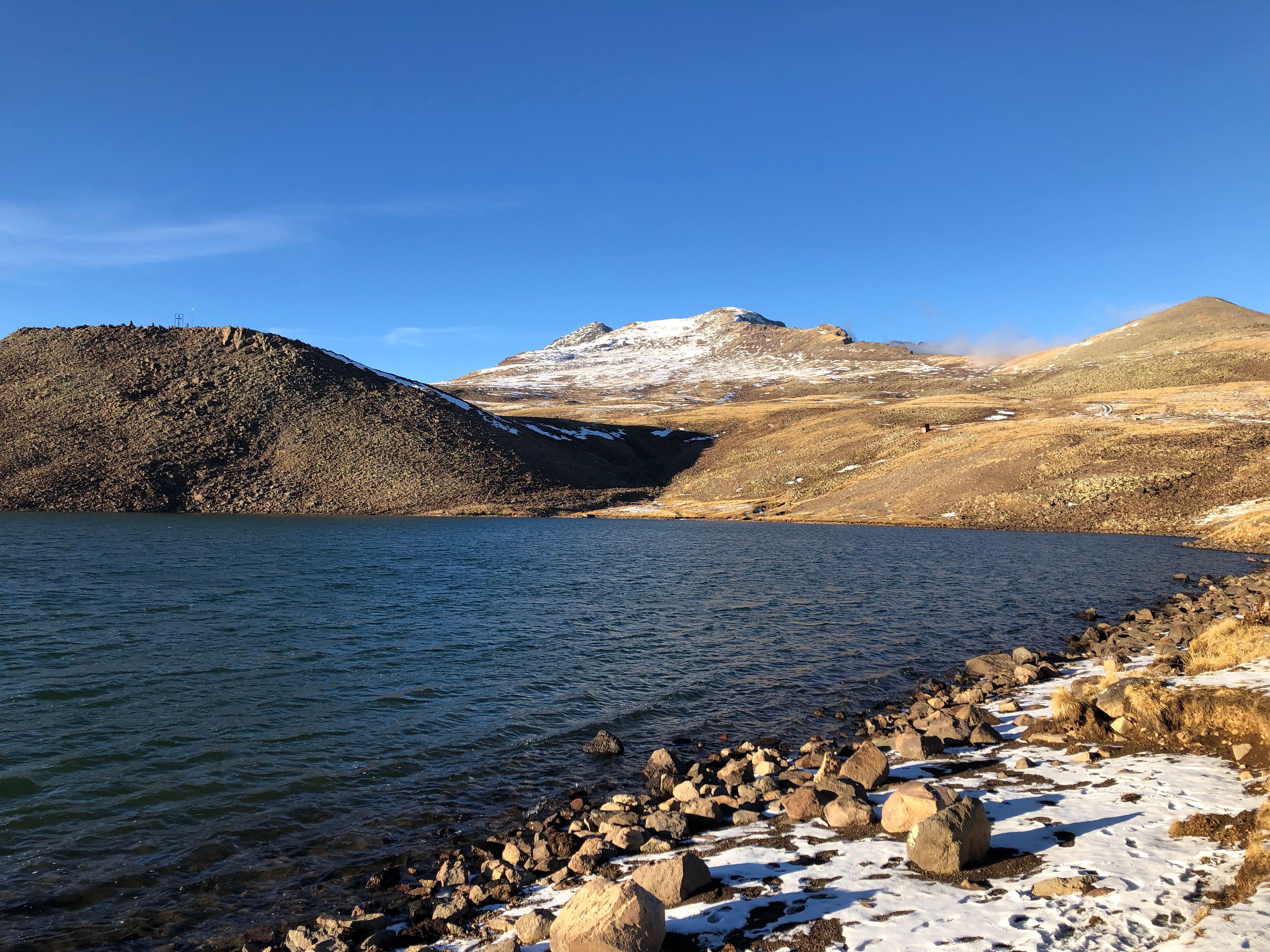
Armavir sits in the Ararat Valley with Mount Ararat looming on the horizon, and it holds something most Armenian destinations can't claim: layers upon layers of capital cities built on top of each other.
This was where Armenian kings ruled from ancient Urartian times through the early medieval period, and the archaeological sites like Argishtikhinili remind you that people have been calling this fertile plain home for over 2,700 years. Yet somehow, even with UNESCO World Heritage sites and the spiritual heart of the Armenian Apostolic Church within its borders, Armavir remains wonderfully uncrowded.
Etchmiadzin—the town within Armavir Province—houses the cathedral that's been the seat of the Armenian Church since 301 CE, making it one of Christianity's oldest official churches. Walk between Etchmiadzin Cathedral, Saint Hripsime Church, and Saint Gayane Church, each a masterpiece of early Armenian architecture, and you'll likely share the space with pilgrims rather than tour groups. The nearby ruins of Zvartnots Cathedral, a 7th-century circular church that collapsed centuries ago, stand against the Ararat backdrop like a stone poem about ambition and time.
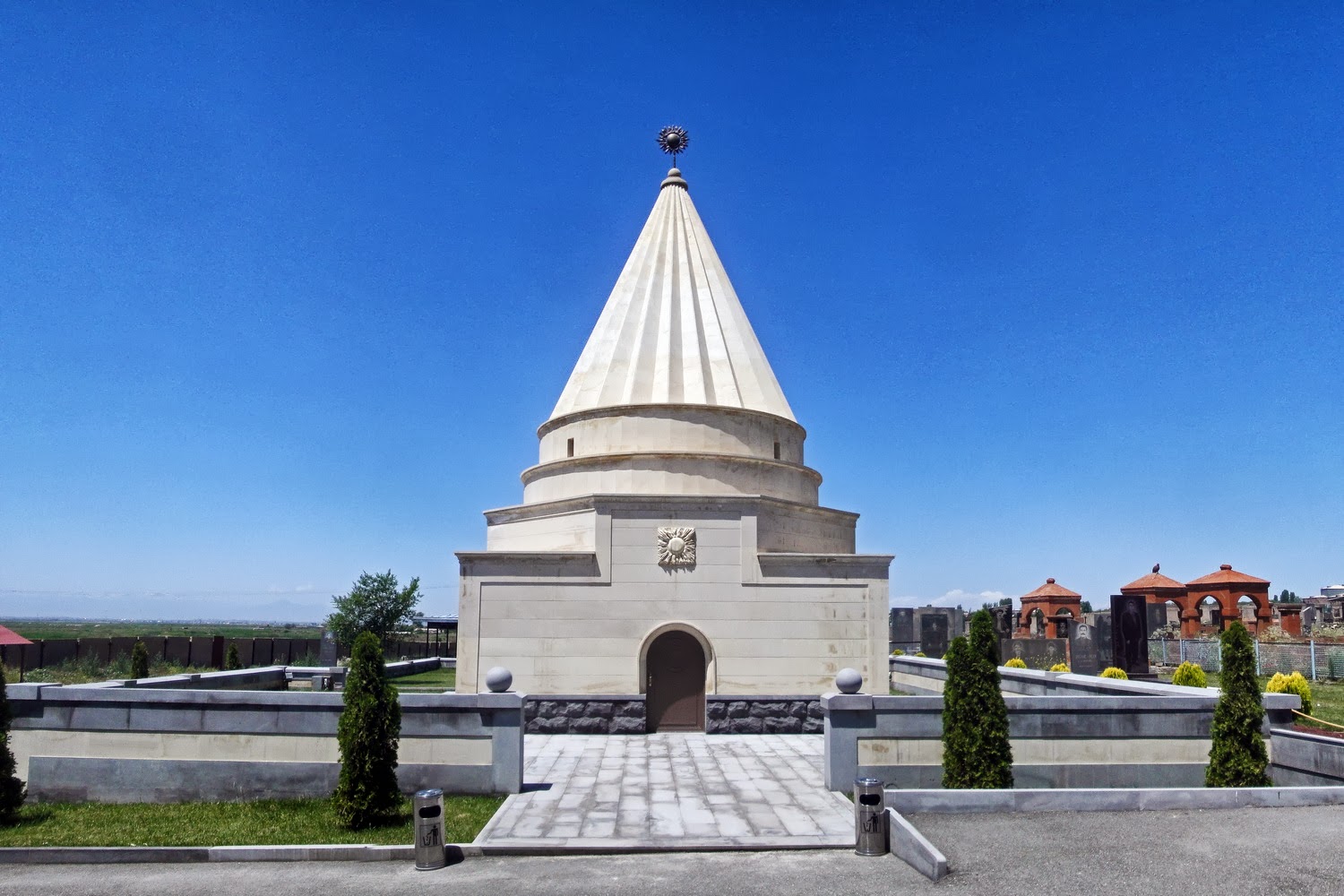
What makes Armavir feel like a secret is how it balances profound historical weight with everyday agricultural life. Between visiting the Sardarapat Memorial—where Armenians decisively defeated Ottoman forces in 1918—you'll pass through villages surrounded by orchards and vineyards, the land doing what it's done for millennia. The Yazidi community here adds another cultural dimension; the Ziarat Yazidi Temple offers a glimpse into a religious tradition few travellers encounter. You leave Armavir feeling like you've touched something essential about Armenia that the crowds rushing to Yerevan's cafes or Tatev Monastery completely miss.
Photo by vahemart on Pexels
Why it's Unbeaten
Out of the main current, in the right way.
Armavir gets overlooked because most Armenia itineraries funnel tourists through Yerevan and then south to Khor Virap or north to Geghard and Garni. The region sits in the Ararat Valley—historically Armenia's heartland—but lacks the dramatic mountain backdrop that photos demand. Instead, you get something rarer: genuine archaeological depth, active Yazidi temples, and vineyards that haven't been packaged into 'wine tourism' experiences. Travellers chasing Instagram moments head elsewhere; those interested in actual Armenian history, religious diversity, and agricultural landscapes discover this is where things actually happened.
The main event
What you'll actually do in and around Armavir
01
Ziarat Yazidi Temple
Active place of worship for the Yazidi community, featuring distinctive white stone and intricate carvings. Request permission before entering (locals are generally welcoming to respectful visitors). This is one of the few Yazidi sacred sites openly accessible in the world—a genuine window into a misunderstood faith.
02
Argishtikhinili (ancient Armavir ruins)
Scattered foundation stones and pottery shards from Armenia's Urartian-era capital (8th century BCE). Less dramatic than other archaeological sites, but the scale becomes clear once you understand the layout. Bring a local guide; interpretation on-site is minimal, but the story—of Armenia's first major city—is worth understanding.
03
Etchmiadzin Cathedral (day trip, 30km)
Christianity's oldest cathedral (301 CE) and the spiritual headquarters of the Armenian Apostolic Church. The interior mosaics are stunning, and the attached museum holds invaluable reliquaries. Queues build mid-morning; arrive early or late afternoon. This is non-negotiable if you want to understand Armenia's religious identity.
04
Zvartnots Cathedral ruins (day trip, 20km)
7th-century ruins arranged in a distinctive circular pattern on a windswept plain. The reconstructed sections show the cathedral's original grandeur; the unrestored sections give you the melancholy weight of ruin. Sunrise or late afternoon visits avoid crowds and heat.
05
Sardarapat Memorial and Museum
Commemorates the 1918 battle that preserved Armenian independence. The museum covers the Armenian Genocide, WWI, and the nation's survival. Emotionally heavy but essential context. The memorial's scale is impressive; allow 2 hours total.
06
Local vineyard visit (Aramé or nearby estates)
Armavir sits in vineyard country, though tourism here is still casual. Arrange visits directly with growers through your guesthouse; you'll taste natural wines, often stored in traditional underground cellars (maran). Prices are fair, and conversations with winemakers reveal regional agricultural life.
Taste of Armavir
Where to eat
Armavir's food is straightforward Armenian: grilled meat, lavash bread, cucumber-tomato salads, and dairy-heavy mezze platters. The town has no 'restaurant scene,' but small family-run khash stands and kebab shops serve real food at genuine prices (meals 2,000–4,000 AMD / $5–10). If staying in a guesthouse with kitchen access, buy from the central market—fruit, cheese, and bread are superb. Wine is local and cheap; bottled water is essential in summer.
Lula Khash House (unmarked, ask locally)Winter-only spot (November–March) serving khash—a slow-cooked tripe and bean stew that Armenians consider essential comfort food. Eaten at dawn, washed down with vodka and beer. Adventurous eaters only, but it's genuine.
Central Bazaar (Armavir town center)Buy fresh lavash from the communal oven, local cheese from vendors, and grapes or mulberries depending on season. Prepare your own picnic; this is cheaper and more authentic than any restaurant meal and gives you direct contact with locals.
02 / The honest read
Is Armavir your kind of trip?
Best for
+ History and archaeology enthusiasts
+ Wine lovers
+ Cultural immersion seekers
+ Off-the-beaten-path explorers
+ Photography enthusiasts
Think twice if you want
x Nightlife seekers
x Beach holiday travellers
x Those requiring luxury amenities
x Travellers uncomfortable with limited English
Effort and reward
Planning
2/5
Physical effort
2/5
Self-reliance
3/5
Scenery
3/5
Culture
4/5
Difficulty breakdown
What "4/10" actually means
Language barrier6/10
Outside Yerevan, English speakers are rare; younger people may know basics, but a translation app and some Armenian phrases are very helpful.
Logistics5/10
Marshrutkas connect main towns but schedules are informal; reaching specific vineyards or ruins often requires arranging private transport or hitchhiking.
Physical demand3/10
The Ararat Plain is flat agricultural land with easy walking; archaeological sites and churches require minimal physical effort.
Infrastructure5/10
Main roads are decent, accommodation is simple but clean, and electricity/water are reliable; don't expect tourist-oriented facilities.
Armavir is an accessible destination for moderately experienced travellers comfortable with basic infrastructure and limited English. The flat terrain and proximity to Yerevan make logistics manageable, though independent exploration of rural sites requires some initiative. The main challenges are navigating informal transport and communicating in villages.
Read this before booking
The honest caveats
Armavir town itself is not charming. It's a functional transport hub with utilitarian Soviet architecture, limited walking infrastructure, and few amenities beyond basics. If you need bookshops, craft shops, or quality coffee, you'll be disappointed. Internet can be spotty outside your accommodation. English proficiency is low; a translation app and patience are necessary. The archaeological sites require either a guide or significant prior research to feel meaningful—ruins without context are just broken stones. Summer heat (35–38°C) is intense; staying hydrated is not optional. Finally, the region's main appeal is historical and agricultural, not scenic; those expecting dramatic mountain vistas like other parts of Armenia will feel the flatness of the Ararat Valley as a letdown.
Safety & health
Armavir Province, located in western Armenia along the fertile Ararat Plain, is among the safest regions in the country for travellers. Unlike the eastern border areas near Azerbaijan, Armavir sits comfortably in Armenia's interior with no security concerns. The US State Department rates Armenia at Level 2 ('Exercise Increased Caution'), but this advisory specifically relates to border regions in the east—Armavir is not affected by these warnings. Standard precautions apply: watch for pickpockets in markets and be cautious on rural roads where lighting may be poor.
Healthcare facilities in Armavir city are basic but adequate for minor issues. For anything serious, Yerevan's hospitals are only 45 minutes away. No special vaccinations are required, though ensuring routine immunizations (Hepatitis A/B, Tetanus) are current is sensible. Tap water quality varies—stick to bottled water in rural areas. Pharmacies stock basic medications but bring any specific prescriptions from home.
The summer sun on the Ararat Plain can be intense, so sun protection and hydration are essential when exploring archaeological sites or vineyards. In winter, temperatures drop significantly, and some rural roads may become challenging. There are no malaria or significant vector-borne disease risks in this region.
Official advisoryLevel 2
Exercise increased caution in Armenia due to areas of armed conflict; do not travel to the Azerbaijan border region.
Advisories change. Verify with the US State Department before travelling. Last reviewed: 2025.
03 / Make it real
Plan the trip
Spring (April–May)
Why go: Fruit trees in blossom, mild temperatures (15–25°C), vineyards are lush, Easter celebrations in churches, archaeological sites are navigable.
Watch for: Occasional rain, some sites may still have winter water pooling, fewer tourists means fewer restaurant options open in smaller towns.
Summer (June–August)
Why go: Longest days, all sites and restaurants open, reliable weather for day trips, grape harvest begins in late August.
Watch for: Intense heat (35–38°C), midday exploration is exhausting, crowds at major sites like Etchmiadzin and Zvartnots, dehydration risk.
Autumn (September–October)
Why go: Temperatures cool to 20–28°C, wine harvest and tasting season, fewer crowds, morning mist over vineyards is atmospheric, archaeological work sometimes resumes.
Watch for: Some smaller guesthouses close mid-October, occasional early rain, shorter daylight hours.
Getting there
Getting there
Zvartnots International Airport (EVN) in Yerevan is 40km northeast; a marshrutka (shared minibus) or taxi takes 45–60 minutes to Armavir town for roughly 2,000–3,000 AMD ($5–8). From Yerevan's Kilikia bus station, direct buses run to Armavir several times daily (90 minutes, 800–1,200 AMD). If you're coming from Gyumri in the north, it's a 2-hour minibus journey. The final approach is straightforward—Armavir sits on the main Yerevan–Aleppo highway. Rent a car if exploring beyond town; public transport connects major sites, but timing is unreliable. Spring and autumn are best for driving; winter snow can close mountain passes briefly.
Visa & entry
Entry requirements
US, UK, and EU citizens can enter Armenia visa-free and may stay for up to 180 days per calendar year based on nationality alone. No advance visa application is required; a valid passport is sufficient for entry, provided normal border entry conditions are met. Travelers should ensure their passport is valid for the duration of their stay. Those planning to work in Armenia must obtain a dedicated work visa in advance from an Armenian embassy, though this does not apply to citizens of visa-free nations seeking tourist or business activities.
PassportRequirementMax stayDetails
USVisa-free180 days per calendar yearUS citizens enter on passport alone; work visa required if employment intended
UKVisa-free180 days per calendar yearUK citizens enter on passport alone; residence permits from UK do not qualify for visa exemptions
EUVisa-free180 days per calendar yearMost EU citizens enter on passport alone; standing arrangement not subject to July 2026 deadline
Requirements may change. Confirm with the relevant embassy or official immigration authority before booking.
Daily budget
What it costs once you're there
USD per person/day, double occupancy, excluding international flights (2026-06-16)
Budget$75Includes lodging $15, food $15, activities $25, local transport $20. Lodging anchored to Ararat Valley Guesthouse. medium confidence
Midrange$165Includes lodging $25, food $35, activities $60, local transport $45. Lodging anchored to Hotel Armavir. medium confidence
Splurge$315Includes lodging $35, food $60, activities $130, local transport $90. Lodging anchored to Aramé Wine Lodge. medium confidence
Base yourself well
Where to stay
Search live availability
Use the curated stays below as a starting point, then compare current inventory and prices.
Basic but clean rooms with views toward Mount Ararat on clear days. The owner speaks some English and can arrange informal guides to Yazidi temples and archaeological sites. Breakfast included and genuinely good—fresh bread, local cheese, fruit.
Mid-range hotel$50–75/night
Hotel Armavir
Soviet-era building with decent standards and a functioning restaurant. Central location means you can walk to the bazaar and local shops. Staff are helpful, and they can book you onto organized visits to Etchmiadzin and Zvartnots if you don't have your own transport.
Boutique agriturismo$65–100/night
Aramé Wine Lodge
Family vineyard stay outside town with three rooms, shared kitchen access, and evening wine tastings with the owners. Genuinely intimate and the only place in the region that blends hospitality with local agricultural life. Book ahead; only six guests at a time.
Alternative base$40–120/night
Yerevan (day trips)
If you prefer hotel infrastructure, stay in Yerevan and day-trip to Armavir via marshrutka. Adds travel time but gives you more evening dining and cultural options. Armavir itself has limited nightlife.
Language, useful phrases, and cultural notes +
Armenian / English: Basic
Simple tourist phrases only in hotels and main attractions - most locals speak no English. Translation app strongly recommended
Armenians are renowned for their hospitality—expect to be invited for coffee or meals by locals you've just met, and refusing can cause offense. When visiting churches and monasteries, dress modestly with shoulders and knees covered. Toasting culture is elaborate; the tamada (toastmaster) leads structured toasts and it's polite to wait your turn.
HelloBarevbah-REV
Thank youShnorhakalutyunshnor-hah-kah-loo-TYOON
How much?Inch arje?inch AR-zheh
Where is...?Vortegh e...?vor-TEGH eh
Excuse meKnerekkneh-REK
04 / Keep going
Nearby & beyond
15 minutes by car
Echmiadzin (Vagharshapat)
The Vatican of Armenia—home to the Mother Cathedral, spiritual center of the Armenian Apostolic Church and UNESCO World Heritage Site
30 minutes by car
Khor Virap Monastery
Iconic monastery with the most dramatic views of Mount Ararat, where Gregory the Illuminator was imprisoned for 13 years
45 minutes by marshrutka
Yerevan
Armenia's vibrant capital with world-class museums, the Cascade complex, and outstanding restaurant scene
20 minutes by car
Sardarapat Memorial
Powerful monument commemorating the 1918 battle that saved Armenian independence, with excellent ethnographic museum